
Most people treat wellness like a mood, something you reach for on a bad week and forget about the rest of the time.
It works better as infrastructure. Sleep, movement, food and a few minutes of quiet, stacked consistently, do more to improve virtually all areas of your life than any single good day ever will.
A single massage barely moves anything. The same massage monthly, for a year, does. That’s the whole case for a routine over an occasional effort, and the change shows up less on the day itself than on an ordinary Tuesday months later when nothing in particular is even wrong.

Cultivating Radiance: Merging Health and Beauty
Med spas blend two different businesses under one roof, and the useful ones lean harder on the clinical side than the spa side.
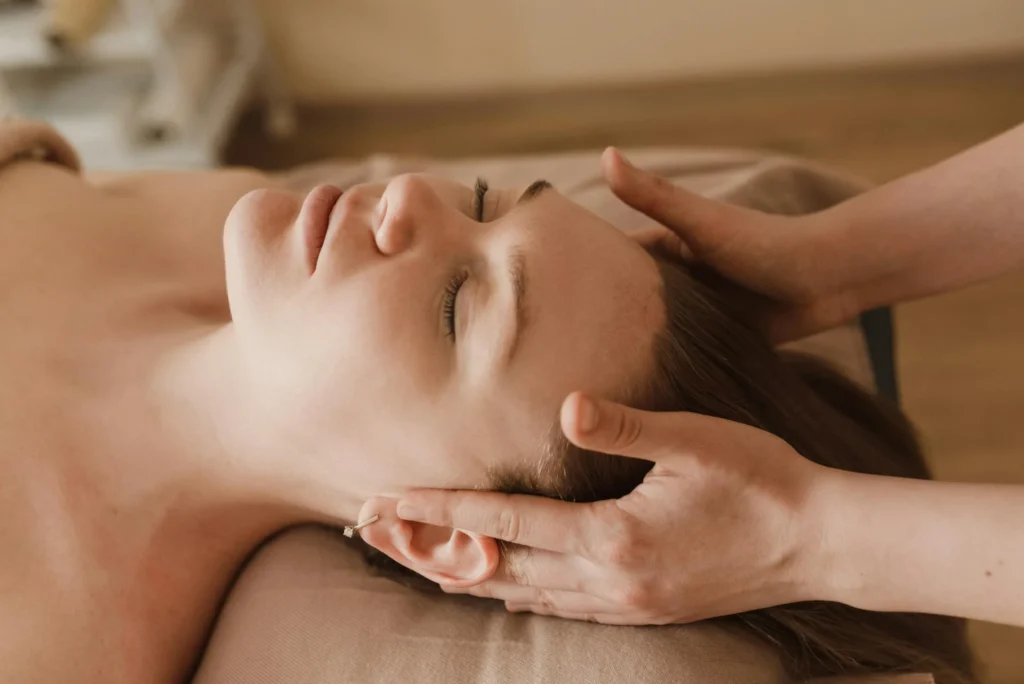
Facials and chemical peels can meaningfully improve skin texture and tone. The ones worth paying for are administered by someone trained to judge your skin, not just whoever’s free that shift. Massage therapy earns its place too, easing muscle tension and, for a lot of people, taking the edge off anxiety noticeably, sometimes within the hour.
Laser treatments and anti-aging procedures carry real recovery time and real risk, so they deserve a proper consultation before booking, whatever the ad promised or however good the before-and-after photos looked.
| Treatment | What it does | Commitment level |
|---|---|---|
| Facials, peels | Improves skin texture and tone | Low, minimal downtime |
| Massage therapy | Eases tension, often lowers anxiety same day | Low, no downtime |
| Laser resurfacing | Addresses deeper skin concerns | Moderate to high, real recovery time |
| Anti-aging procedures | Targets fine lines, volume loss | High, needs a proper consult first |
An hour where nobody needs anything from you has value on its own, separate from what the treatment does to your skin. Plenty of people choose to relax at a medspa mostly for that hour and treat the facial as the bonus.
Mindfulness as an Effective Strategy to Foster Mental Well-Being
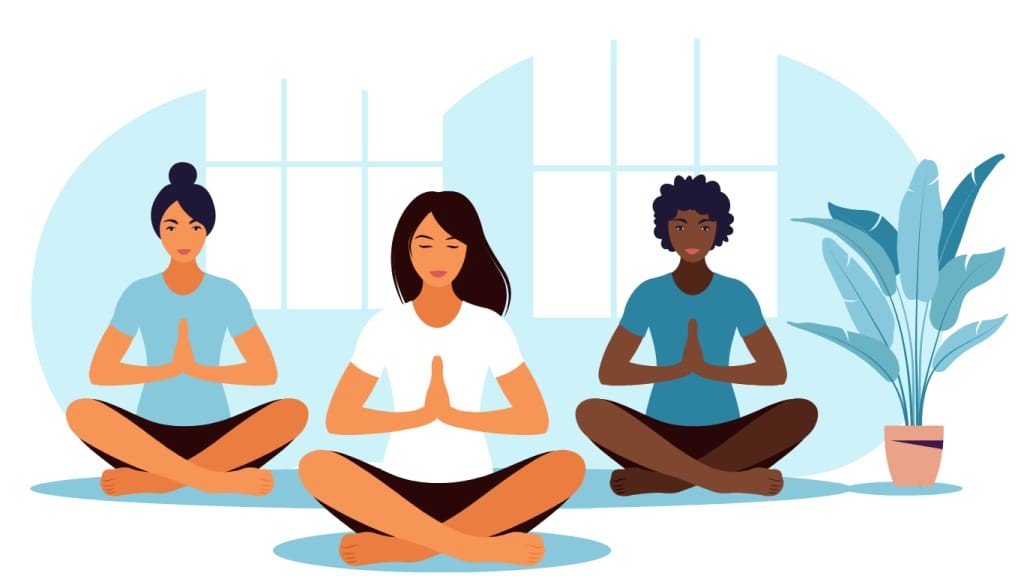
The research on mindfulness is more modest than the hype around it, and honestly the actual numbers are more useful because of that.
A trial measuring daily sessions found five to under ten minutes cut Perceived Stress Scale scores by more than six points inside a few weeks. Separate cortisol studies, several of them, converge on a longer window, ten to twenty minutes a day, for measurable hormonal change rather than just a reported feeling of calm.
- 5 to 10 minutes daily. Where the perceived-stress research lands.
- 10 to 20 minutes daily. Where the cortisol studies land.
- Consistency over duration. A short daily habit beats a long one you quit after a week, which several of these same trials note directly.
The bar to start is low. A few minutes of breathing before a stressful meeting, or the same few minutes each morning, builds the habit before you extend it, and some people notice it helps them increase focus as much as it lowers stress.
Supplements marketed for stress are a different claim entirely from breathing or meditation, evidence quality swings wildly by product, so anything beyond a mild herbal tea is worth running past a doctor first, especially if you’re on other medication.
Exercise and Physical Health as Essential Building Blocks of Wellness

Movement pulls double duty, physical and mental, and most people only ever think about the first half.
Regular exercise supports:
- Weight management
- Muscle strength
- Joint health and mobility
Even modest activity, a daily walk, some laps, a yoga session, lifts mood and lowers stress measurably over time. It doesn’t need to be intense to count.
Part of the mental effect comes down to endorphins, the body’s own mood chemicals released during exertion. A hard workout can leave you calmer than you started even when the day itself didn’t change at all.
A daily walk sustained for months beats an occasional brutal session that leaves you too sore to repeat for a week, which is usually how people talk themselves out of exercising entirely without meaning to.
Nutrition as the Foundation of Wellness

Food’s effects are slow and quiet compared to a workout or a massage, so it’s the pillar people skip without noticing anything wrong right away.
| Nutrient group | Sources | What it supports |
|---|---|---|
| Vitamins & antioxidants | Fruits, vegetables | Immune function, cell repair |
| Complex carbs | Whole grains | Steady energy through the day |
| Protein | Lean meats, legumes | Muscle repair, feeling full |
| Healthy fats | Nuts, oils, fish | Cell health, mood regulation |
That table covers your basic nutritional needs. No amount of meditation compensates for a body running on empty.
Nutrient-dense eating tracks with better mood and sharper thinking in the research, though it isn’t a fix for depression or any diagnosed condition. Anyone dealing with a mental health condition needs a clinician for that, and food supports the system rather than replacing treatment.
If you want the studies behind any of this rather than the summary version, Health and Fitness‘s ongoing coverage digs into the primary research directly.
Building the routine that actually holds

Starting all four pillars at once is how most wellness attempts die inside a month, usually from exhaustion rather than a lack of willpower.
Pick one:
- Five minutes of breathing before bed
- A short walk after lunch
- One extra vegetable at dinner
Run it for two weeks before adding the next thing.
The mindfulness research makes the same point in miniature, five minutes daily beats twenty minutes twice before you quit. Same logic for the whole routine. Small and repeated outperforms ambitious and abandoned, and the goal isn’t perfection, it’s still doing something six months from now to protect your quality of life.