

Nootropics, or cognitive enhancers, keep gaining ground with people trying to support mental performance. Semax sits in an unusual corner of that world: it’s a synthetic peptide developed in Russia, where it’s an actual prescription medicine used for stroke recovery and cognitive disorders.
Outside Russia, though, it’s a different story, and this needs saying up front. Semax isn’t approved by the FDA or European regulators, and what’s sold online comes from the unregulated research-chemical market. So for each of the Semax benefits below, here’s the claim people make, and here’s what the evidence actually says.
Improving Attention Span and Concentration

The claim: Semax sharpens focus and sustains it through long, demanding stretches, study marathons, high-stakes work, largely by supporting dopamine availability.
The evidence: This is one of the more consistent user reports, and the dopamine mechanism is plausible. But user reports aren’t controlled trials, and placebo effects on subjective focus are notoriously strong. Real signal, thin proof.
Boosting Memory and Learning Ability

The claim: Better recall and retention, making it popular with students and knowledge workers.
The evidence: This traces to Semax’s effect on BDNF, a neurotrophic factor central to synaptic plasticity, the actual biology of forming memories and providing a strong basis for lifetime education. The mechanism is real and interesting. The leap worth watching is the one from “raises BDNF in studies” to “will raise your test scores,” which is a much bigger claim than the research has earned.
Processing Speed and Mental Clarity
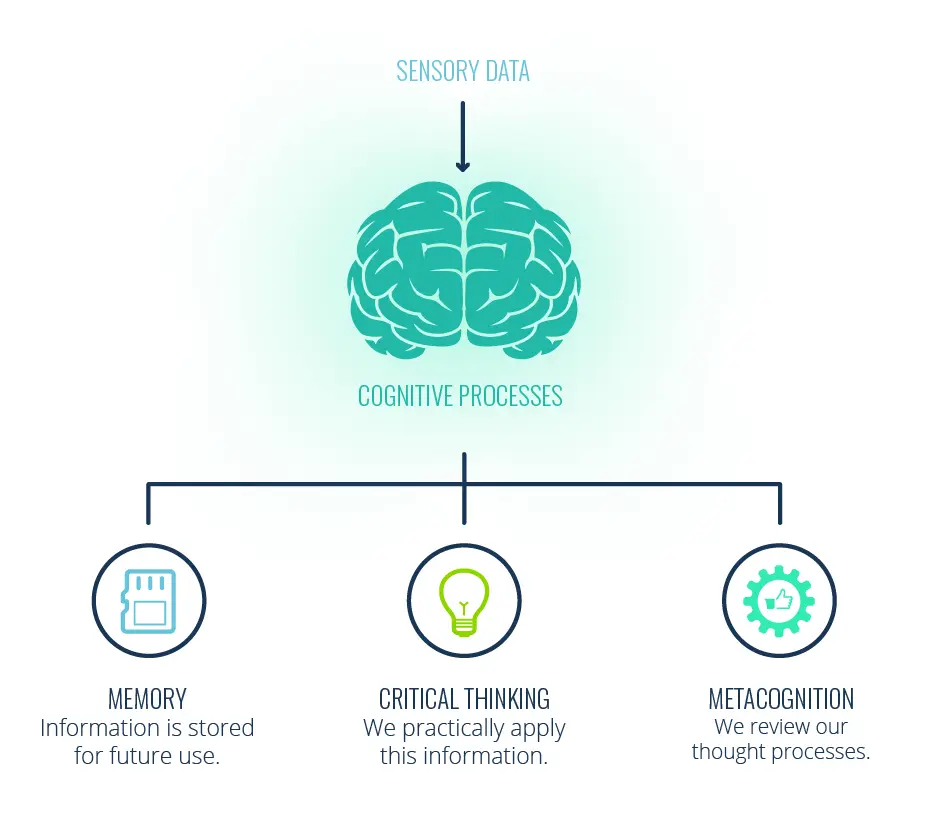
The claim: Faster thinking, quicker decisions, sharper mental clarity, and over time a general upgrade in brain health and function.
The evidence: Commonly reported, rarely measured. Almost all of it is self-report rather than controlled cognitive testing, so treat “users routinely say” as exactly that, experience, not established fact.
Neuroprotection
The claim: Protects neurons and guards against age-related cognitive decline.
The evidence: This is Semax’s strongest card, because it’s the reason the drug exists. Russian clinical work studied it as a neuroprotective agent in stroke recovery, supporting the survival and function of neurons after brain injury. That’s a real, studied use, and it’s the claim with the most weight behind it, though “helps stroke patients recover” and “will keep a healthy brain young” are still different statements.
Control of Anxiety and Depression
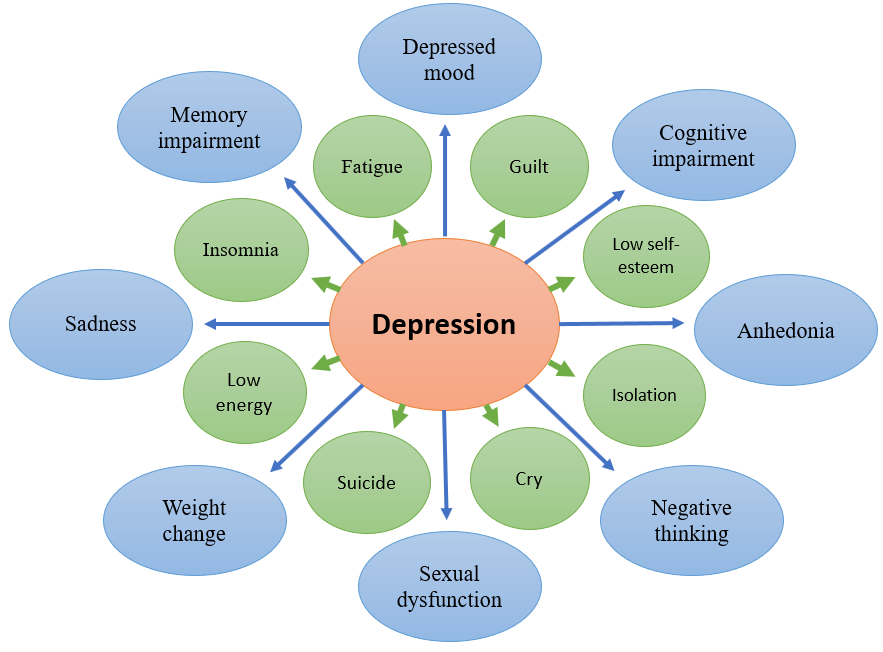
The claim: Eases anxiety and low mood by supporting serotonin, positioned by some as a gentler substitute for conventional medication.
The evidence: There’s early research interest in how Semax interacts with serotonin and dopamine systems, and that’s as far as honesty allows it to go. There is no basis for treating it as a replacement for prescribed anxiety or depression treatment. Anyone genuinely struggling deserves a clinician, not a nasal spray from the research-chemical market, and that’s the one claim in this whole topic I’d push back on hardest.
Stress Release
The claim: Builds resilience to stress, guards against burnout and chronic tension.
The evidence: Follows from the same focus-and-mood mechanisms above, and shares the same limitation, mostly reported rather than measured. Plausible, unproven.
A Note on Use, Dosage, and Stacking

You’ll find dosing schedules, cycling protocols, and stacking guides all over the internet for Semax, most of them chasing synergistic effects from combining compounds. This article deliberately doesn’t provide them.
Here’s why, plainly. Semax is unapproved outside Russia, long-term safety data in healthy users barely exists, and research-chemical products come with no guarantee that what’s in the vial matches the label or is even sterile, which matters a lot for anything going up your nose. Combining it with other unapproved compounds compounds the unknowns, because those interactions are essentially unstudied. Numbers from a stranger’s blog aren’t safety information, and I won’t add to the pile.
Appreciating Potential Side Effects

Reported effects are generally mild: headaches, nasal irritation, sometimes increased anxiety or disrupted sleep in sensitive people, usually settling as the body adjusts.
The bigger issue is what hasn’t been studied rather than what has. There’s no meaningful long-term safety record in healthy users, and the unregulated supply chain adds risk no side-effect list captures.
Where This Actually Leaves You
Semax is a genuinely interesting compound with a real medical history in one country and a wide gap between its clinical evidence and its internet reputation.
If focus, memory, or mood is the thing driving you here, the least glamorous move is the strongest one: see a doctor first. Brain fog and flagging concentration have common, treatable causes, sleep, thyroid, deficiency, depression, that no peptide touches, and ruling those out beats guessing with an unregulated drug every time. Doubly so if you’ve got existing conditions or take other medication, where an unstudied compound is a real interaction risk, not a hypothetical one.
The Benefits of Semax

Semax presents a spectrum of advantages that underline it’s possible uses in neuroprotection and cognitive improvement. For those under great pressure, it’s capacity to increase focus, lower anxiety and promote emotional balance makes it a great aid. Semax benefits have especially shown promise in helping stroke recovery by means of it’s neuroprotective and regenerative qualities, thereby enabling the healing of brain circuits and so enhancing general rehabilitation results. Moreover, Semax can improve cognitive performance when taken with other nootropics, therefore boosting output and improving clarity of thought.
- Semax should be approached, though, with care. Before beginning any new supplement—including Semax benefits—people are advised to see a doctor. Particularly for people with pre-existing medical issues, this stage guarantees tailored advice on dose, possible interactions with drugs and general safety.