
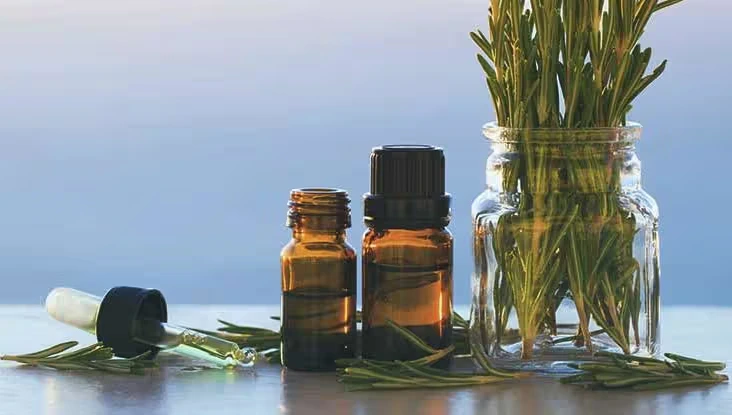
Hemorrhoids, often known as piles, can cause significant discomfort and pain. Essential oils have real, if limited, evidence behind a few of them as part of managing external symptoms. This guide explores what essential oils as a natural treatment can and can’t actually do for hemorrhoids, along with the safety rules that matter most for this particular use.
Understanding Hemorrhoids and Their Causes
Hemorrhoids are swollen veins in the lower rectum and anus, similar to varicose veins. They can be caused by increased pressure during bowel movements, sitting for long periods, obesity, pregnancy, and other factors. Symptoms include pain, discomfort, itching, and bleeding.
Worth stating upfront: essential oils cannot treat internal hemorrhoids, since they can’t be safely applied inside the rectum. Everything below applies to external hemorrhoids and the skin around them.
The Role of Essential Oils in Hemorrhoids Treatment

Essential oils carry anti-inflammatory and antimicrobial properties in the research, and a couple of them have real support specifically for skin-level symptoms like swelling, itching, and minor irritation. That’s a genuinely useful role. It isn’t a cure, and the evidence varies a lot between oils, some are well-studied for this use, others are recommended mostly by tradition rather than research.
1. Tea Tree Oil
Tea tree oil has the strongest evidence of the group. It’s a documented broad-spectrum antimicrobial, which helps guard against infection in already-irritated tissue, and it carries real anti-inflammatory activity.
2. Lavender Oil
Known for its calming and soothing effects, lavender oil has real anti-inflammatory properties for irritated skin generally. Evidence specific to hemorrhoids is thinner than tea tree’s, but its gentle profile makes it a reasonable, lower-risk option.
3. Cypress Oil
Cypress oil is commonly recommended for its astringent effect on blood vessels. Worth being honest here: there’s no strong clinical reason to reach for cypress oil over better-studied options. If you’re choosing between oils, prioritize tea tree or lavender first.
4. Peppermint Oil
Peppermint oil offers a genuine cooling effect that can ease burning and itching, and real analgesic properties. It’s also a documented skin irritant at anything above a light dilution, which matters more here than in most other topical uses, given how sensitive this skin already is.
How to Use Essential Oils for Hemorrhoids

The perianal area is some of the most sensitive skin on the body. Using oils here incorrectly can make symptoms worse, not better, so these rules matter more than they would for a typical skincare use:
- Dilution: Always dilute essential oils with a carrier oil such as coconut oil, jojoba oil, or almond oil. Use 3 to 5 drops of essential oil per ounce of carrier oil, a meaningfully more diluted ratio than many casual recipes suggest.
- Patch test first, on different skin: Test any new oil on a less sensitive area, like the inner forearm, before it goes near the affected area.
- Application: Apply the diluted oil to the affected area only with a clean cotton pad or swab, external skin only.
- Baths: A few drops of diluted essential oil in a warm sitz bath can ease symptoms and is gentler than direct application.
- Never apply undiluted oil, and never apply to broken skin or active bleeding. Skip oils entirely until any broken skin has healed, and see a doctor if bleeding continues.
- Never apply internally. Nothing here goes inside the rectum.
- Stop immediately if you feel burning or stinging. That’s irritation starting, not the treatment working.
DIY Natural Hemorrhoid Treatments with Essential Oils
Recipe for a Soothing Hemorrhoid Blend
Ingredients:
- 3 to 5 drops of tea tree oil.
- 1 ounce of carrier oil (coconut, jojoba, or almond).
Instructions:
- Mix the essential oil with the carrier oil at this ratio.
- Patch test on your inner forearm first and wait 24 hours.
- If no reaction occurs, apply a small amount to the affected area with a clean cotton pad, once daily to start.
- Watch for burning or increased irritation before considering use again the next day.
This applies only to external hemorrhoids with unbroken skin and no active bleeding.
Integrating Essential Oils into Your Daily Routine
Alongside topical use, fiber intake, staying hydrated, and reducing prolonged sitting address the underlying pressure that causes hemorrhoids in the first place, and matter more for long-term relief than any topical treatment alone.
Risks and Considerations
While essential oils are natural, they are not without risk, and that risk is higher here than for most skin applications because of how sensitive and often already-irritated this tissue is. Always patch test before full application, never apply undiluted or to broken skin, and consult a healthcare provider before use if you are pregnant, nursing, or managing an existing health condition.
See a doctor if bleeding is heavy or persistent, if pain is severe, if a hemorrhoid feels hard or suddenly swollen, or if symptoms don’t improve within a week or two of home care. Internal hemorrhoids need medical evaluation, not a home remedy.
Managing Hemorrhoids Naturally
Hemorrhoids can be a persistent and uncomfortable condition, and essential oils offer real, limited support for external symptoms when used carefully. Tea tree oil has the best evidence of the group discussed here, tea tree oil specifically for its antimicrobial and anti-inflammatory effects, and lavender is a reasonable, gentler option alongside it.
Used properly diluted, with the safety rules above followed, these remedies can genuinely help. Used carelessly, on sensitive or already-broken skin, they can make things worse, so the caution here matters as much as the relief.