

Coco Chanel gets credited with the line about every woman dresses needing a little black dress. We’d go further. Every woman needs a dress, and then a few accessories that change what it does.
One piece, and the styling around it decides everything, which is why a well-styled dress exudes elegance while the same dress styled carelessly just looks like you left the house.
Nobody’s turning up to brunch in a ball gown, though. Here are six things worth getting right.
Choose the Right Fabric for the Occasion
Coffee with friends calls for cotton or linen. Breathable, easy to move in, relaxed without looking like you didn’t try. A wedding or an evening gala asks for weight. Silk and velvet hold their shape in a way cotton can’t.
They photograph differently too. Matte fabrics absorb a flash, satin throws it back, and that matters more at evening events than people expect.
Velvet is cold weather only. Gorgeous in October, unbearable at a July wedding. Linen wrinkles by lunchtime. Charming or sloppy depending on who you ask, so decide which you think before you buy it.
Play with Color

Neutrals go anywhere. Black, navy, beige, all reliable and forgiving.
Bold works too. A vivid yellow or a strong red says something a neutral won’t, and red at a cocktail party is a statement.
Florals read playful for daytime and slightly lost after dark. White is the versatile one. Gold jewelry, silver, colored scarves, it takes all of them without clashing. A white shirt dress under a black blazer handles a work meeting. A flowing white maxi with flat sandals handles a picnic.
Building a wardrobe from scratch? Shop for white dresses before almost anything else, since one good one covers more occasions than most of your closet.
The exception is a wedding, and people still get it wrong. Not white, not cream, not ivory, and not a print with a white base, unless the bride said otherwise.
Create Day-to-Night Looks with Simple Accessories
- Dresses are the chameleons of the fashion industry.
- Here’s what that means when you’re standing in front of the mirror at six.
- Daytime: flat sandals, sunglasses, crossbody bag, minimal jewelry.
- Evening: strappy heels, bolder jewelry, a clutch, and the sunglasses go in the bag.
- A pair of heels and a delicate diamond necklace shift a daytime dress into evening in about thirty seconds.
- Even smaller changes work. A belt at the waist alters the whole silhouette without touching the dress.
Going straight out after work? Keep the heels and clutch at the office rather than hauling them around all day.
Layering for Seasonal Transitions
You don’t need to pack the closet away every season.
A summer dress plus a jacket, sweater or scarf carries into cooler months easily. Leather jacket makes it edgy. Shirt dress under a chunky sweater reads preppy.
- Knee-high boots with a midi, trench over the top, and that’s fall and winter handled.
- Bold colors work harder in those months because everything around you has gone grey.
Tights change more than any other layer. A hem that’s too short for December bare-legged is completely fine with opaque tights and boots.
The denier number tells you what you’re buying. Under twenty is sheer. Forty to sixty is opaque and warm enough for most of the season. Above eighty and you’re closer to leggings than hosiery.
Dress for Your Body Type
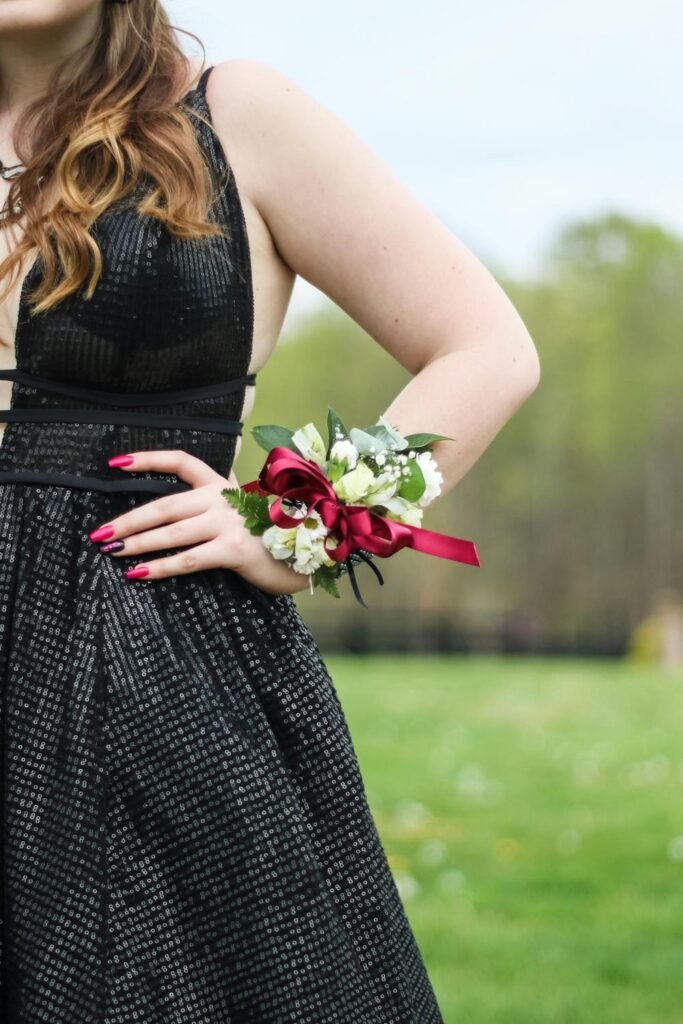
A dress should work with your shape rather than against it, which is why understanding styles that flatter your body type is worth the ten minutes it takes.
Waist definition with an A-line skirt suits a lot of people. Vertical lines and a higher waistline add apparent length on a petite frame. Maxi dresses that swallow a shorter person often sit beautifully on someone tall.
None of it is binding. Plenty of people look best in the exact thing the guidance says shouldn’t work on them, and the only real test is how you feel wearing it for an hour.
Styling for Different Events
Weddings have the most rules, so start there. No white, nothing competing with the bridal party, and read the invitation before assuming anything.
Outdoor ceremonies need a heel you can actually walk on grass in. Block heel or wedge, because stilettos sink.
If you’re shopping specifically for a dress for attending a wedding, midi lengths and florals sit safely inside most dress codes.
Formal events run on the invitation’s wording, and the words mean specific things:
| It says | Wear |
|---|---|
| Black tie | Floor length |
| Black tie optional | Floor length, elevated midi, or dressy separates |
| Cocktail | Knee to midi |
| Semi-formal | Midi or knee, less embellished than cocktail |
Black tie optional trips people up most. Optional sounds like permission to dress down and it isn’t. If your dress would look odd standing next to a tuxedo, it’s too casual.
Birthdays, anniversaries and graduations are the loosest category and the most photographed. Pick something you’d want to see in ten years, not just something that works this season.
A blazer or a good coat covers most gaps. Slightly underdressed with polished outerwear beats overdressed every time.
Getting It Right Without Overthinking It
The invitation tells you more than your closet does. Check the wording, check the time, and the choice narrows fast.
Two things worth remembering beyond that. Shoes and outerwear are what people register at the door, before they’ve taken in the dress at all.
And if the invitation says something like festive formal or creative black tie, those mean whatever the host thinks they mean. Just ask.