
Investing in silk shirts is an excellent choice for anyone looking to add elegance, comfort, and timeless appeal to their wardrobe. However, distinguishing high-quality silk from subpar options can be challenging, especially with the variety of products available in the market. If you’re searching for premium women silk shirts blouses, it’s essential to know what to look for. This guide will walk you through the key factors that define a high-quality silk shirt, ensuring you make a purchase worth every penny.
Know the Type of Silk First
Silk comes in various types, each with unique properties that affect the overall quality of the shirt. The highest-quality silk is Mulberry silk, prized for its smoothness, durability, and luxurious feel. Another common type is Charmeuse silk, known for its glossy front and matte back, which makes it a popular choice for women’s shirts and blouses. Habotai silk, on the other hand, is lighter and less glossy, ideal for casual wear or summer outfits. Raw silk, while less polished, offers a textured and natural look that appeals to some buyers.
See if the label on the product states it should be made of “Mulberry” or “Charmeuse”; both would generally imply a higher premium quality. If you see a listing that simply reads “silk,” it’s worth a second look.
Check the Weight

Silk weight is expressed in momme, and is one of the few numbers on a label that gives you any concrete information.
| Momme Count | Feel | Best For |
|---|---|---|
| 16-19 | Lightweight, breathable | Warm weather wear |
| 19-22 | Balanced weight | Everyday shirts and blouses |
| 22-25 | Dense, heavy drape | Premium, long-wearing garments |
Higher momme counts are more durable, heavier, drape more luxuriously, and are warmer. Which momme count is optimal often depends on the climate where the shirt will be worn. According to Shirts Style with a momme count of between 22 and 25 is ideal for shirts that will last for years, and not just seasons.
Examine the Weave and Texture
Run your hand along the fabric in a place with natural light. The fabric should feel soft, smooth, and cool to the touch. The weave should not have any snags or narrow points.
Poor silk will betray itself here before any other test. It will be uneven in texture, with a dull finish, and will have slubs where there should not be. A shirt that looks slightly off in daylight will not improve with a few washes.
Test the Fabric’s Strength

Silk may look delicate but is extremely strong. Test the weave quality by gently pulling a small piece between two fingers. It should retain its shape, without stretching, sagging, or having stretch marks.
Flimsy fabrics that merely stretch with little pressure, no matter how good they look on the hanger, will not stand up to regular wear.
Check Your Stitching and Construction
Stitching can tell you as much about a shirt as its fabric. Look for even, tight stitch with no dangling threads, and check for French seams or double-stitched hems, both genuine signs of a well-made garment.
Weak stitching is when a good shirt fails because the seams are not reinforced to withstand normal wear, and the seams separate while the fabric remains unchanged.
Assess the Dye and Color
Good silk takes up the dye evenly and does not fade in patches. When dyed, the whole silk should be the same color without any fading.
Silk dyed by natural means is generally said to have a brighter color, and be more sustainable. Cheaper synthetic dyes fade faster than natural dyes, and can also bleed through to other fabrics. In some cases, synthetic dyes can bleed onto other fabrics in the first wash.
Look at Buttons and Accessories
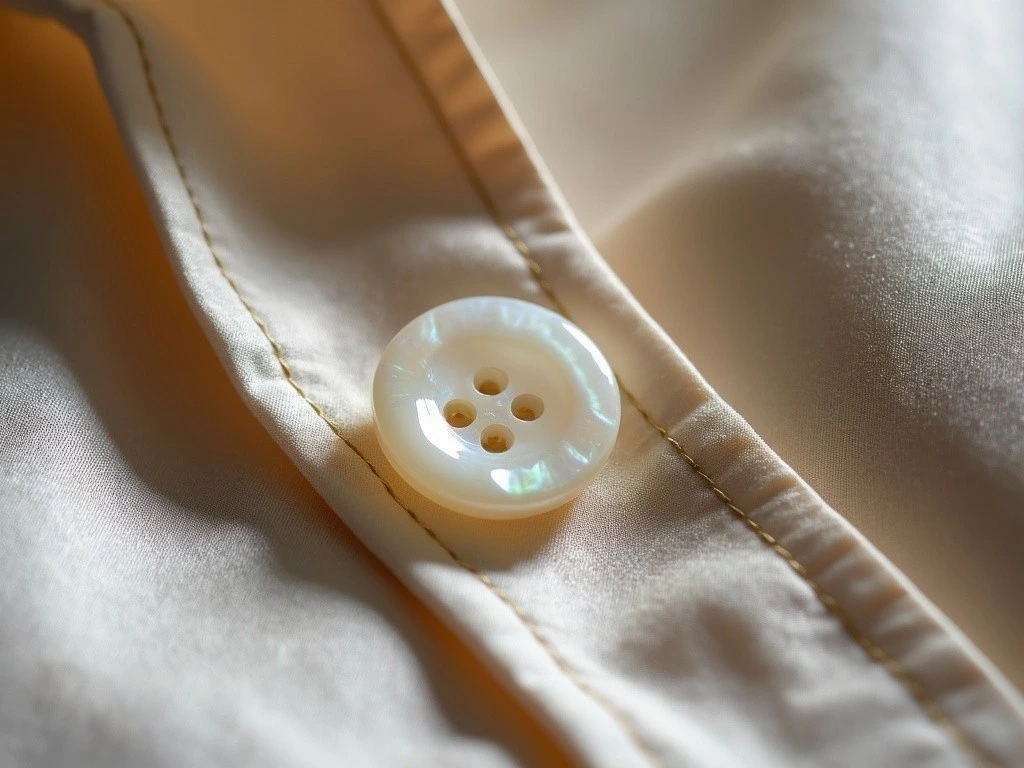
Sometimes small details show how much care is taken in the building process.
If mother-of-pearl or silk-covered buttons were used for the blouse, the workmanship in the details is regarded as well done. Buttonholes should be cut neatly and finished with fine cross stitching to prevent fraying. Plastic buttons or poorly finished buttonholes can be a telltale sign of other corners being cut.
Check That the Silk Is Real
Silks can be faked. Many synthetic fabrics like polyester often mimicking the look of silk. Real silk’s characteristic luster, its distinctive coolness, and its sensation of warmth when rubbed between the fingers distinguish it from artificial fibers, so that the fabric is readily identified without reading the label.
A good rule of thumb is that real silk protein will smell like burnt hair when burned, not the plastic smell of man-made fibers. Textile professionals can use this test to identify the fibers of a piece of material, but this is something you should never do to a shirt until after you’ve decided to purchase it.
The easiest way to tell is via the tag “Grade A Silk”: this states that the raw material is the highest possible quality. OEKO-TEX® Standard 100 means that the silk is free from harmful chemical residue, which is important when wearing close to the skin.
Research the Brand
Avoid brands that are new to the silk business or that make excessive claims about their products; more established brands are more likely to deliver. Check customer reviews about whether the brand is consistent and transparent about sourcing and materials, and if it has a return policy or warranty to back up its claims. A brand that has faith in its product does not obscure it in the fine print.
What Actually Divides a Silk Shirt That Lasts
In the end, only the fabric’s type, weight, weave, and construction will determine whether a shirt is actually silk; check the momme count, the stitching and any authenticity certification. Get those right and the shirt earns its price over years of wear, rather than just its first few outings.