
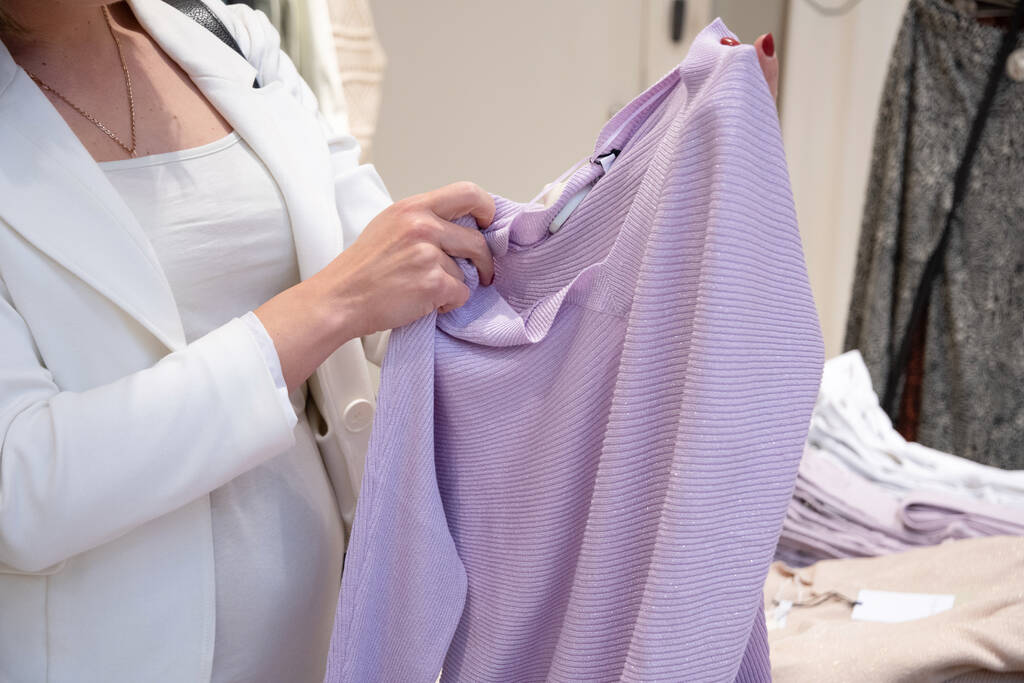
A boutique dress does seem to wear differently the first time you put it on, and it’s not just because you’ve spent more money and convinced yourself it must feel different, because mass-produced clothes get made in the thousands, cut in bulk batches and turned out cheap, while a boutique dress is cut slower, in smaller runs, from better fabric to a better fit. That’s the whole appeal. You’re less likely to turn up somewhere and spot three other people in it.
This is a proper walk through it, then, what actually makes a dress “boutique,” how to figure out which ones suit you, and how to buy them online without getting burned.
What makes a dress “boutique”?
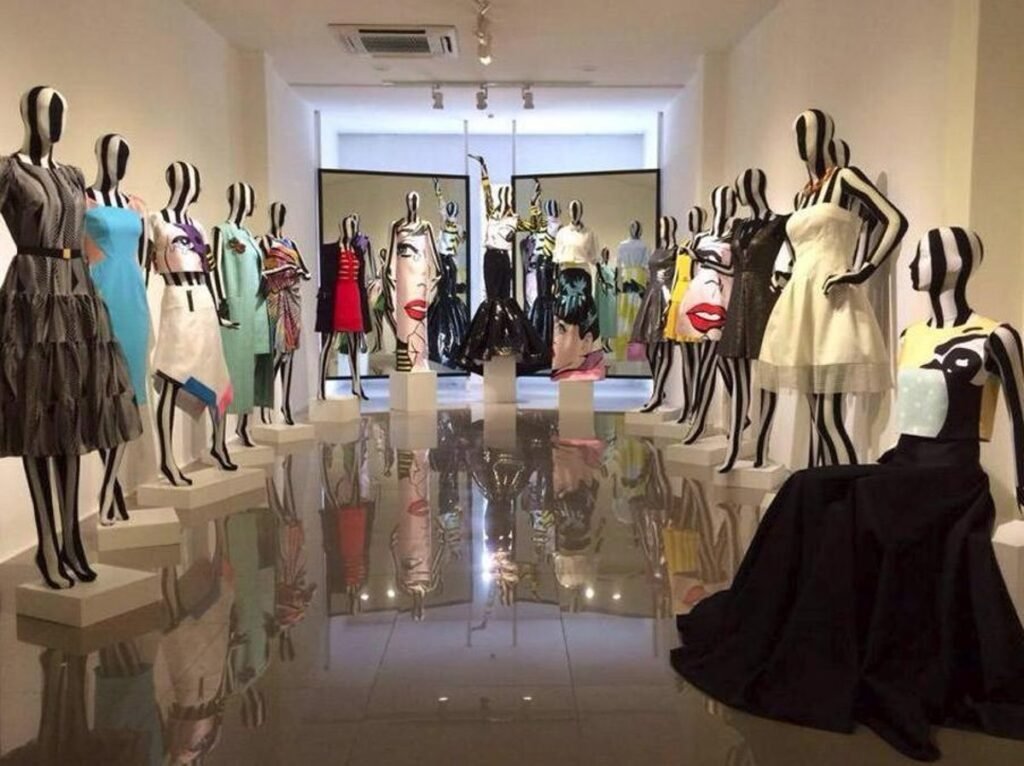
It’s not just a name used to raise the price, or it shouldn’t be. A boutique dress is one that’s been designed with intention and usually made in small batches, with more detail and better fabric than what gets handed to chain stores in the fast fashion forward.
The word itself points at a more personal way of shopping, where pieces get chosen to suit a specific kind of customer rather than dumped into a warehouse for everyone, and that’s really the difference, clothing picked with a point of view instead of clothing made to hit a price point, and you feel it in the materials and the finishing more than anywhere else.
The main styles you’ll run into

There’s enough various styles to suit’s in boutique dresses to suit pretty much any occasion, from a floaty maxi for a summer afternoon to a sharp cocktail dress for evening, but a few broad families come up again and again.
Boho chic, all flowing fabric, earthy tones, and busy patterns, for when you want that relaxed, free-spirited look.
Vintage-inspired, borrowing details from past decades, things like Peter Pan collars, A-line shapes, or retro prints.
Modern minimalist, clean lines and solid colors, for people who like understated over loud.
Romantic. Soft fabrics, delicate lace or ruffles. The dreamy end of things.
Most people don’t live in just one of these, and that’s fine, because half the fun of boutique shopping is mixing a bit of one with a bit of another until it actually feels like you.
Why bother with boutique over the high street
Fair question, because boutique usually costs more, so what are you actually paying for?
A personal touch, mostly, since these pieces tend to be designed by someone who cared about them rather than optimized by committee, and it shows. There’s quality materials in the fabric, the fit, the way the seams get finished, the stuff that makes a dress last more than a season.
And there’s uniqueness, which is honestly the big one for a lot of people, because if the last thing you want is to walk into an event and spot someone in your exact dress, boutique is how you avoid it, and you can still chase current trends without ending up in something that’s on every second person.
Choosing the right one for the occasion

The easiest way to not overthink this is to start from where you’re going, because the event does half the work of narrowing it down for you.
| Occasion | Dress style | What to look for |
|---|---|---|
| Casual day out | Sundress or shirt dress | Comfortable, loose fit |
| Office | Sheath dress or wrap dress | Modest length, structured shape |
| Cocktail party | Little black dress or A-line dress | Quality fabric, classy details |
| Beach wedding | Maxi dress | Loose fit, floral print optional |
| Formal event | Floor-length or maxi dress | Luxurious fabric, formal cut |
These are a starting point though, not a rulebook, and the nice thing about boutique is you’ve got room to ignore them and do your own thing.
Know your own style

Before the body-type stuff, it’s worth sitting with what you actually feel good in, because that matters more than any chart. Think about the clothes you reach for over and over, the colors you gravitate to, the shapes you feel like yourself in, and usually that’s enough to pinpoint your style without overcomplicating it.
If it helps to have names for it, most people land somewhere around:
- Classic, timeless well-tailored pieces that never date.
- Bohemian, flowy fabrics, earthy tones, eclectic patterns.
- Preppy, clean-cut, traditional, polished.
- Edgy, unconventional pieces that push it a bit.
- Romantic, soft, feminine, delicate details.
Hardly anyone fits neatly in one box. Most people are a mix of two, and it shifts with mood and occasion anyway.
Dressing for your body type
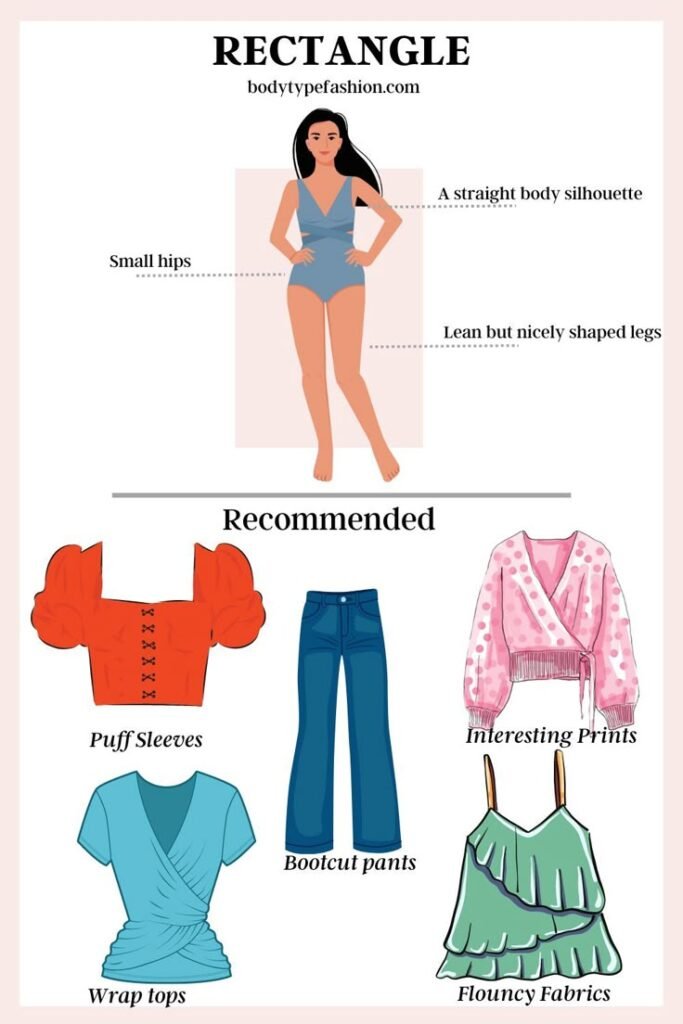
Fashion rules are made to be broken, but knowing your shape helps you pick dresses that make you feel good rather than fighting your own outfit all night, so here’s the quick version.
| Body type | Roughly | Styles that tend to flatter |
|---|---|---|
| Hourglass | Balanced bust and hips, defined waist | Wrap dresses, fit-and-flare |
| Pear | Hips wider than shoulders | A-line, empire waist |
| Apple | Fuller middle, slimmer legs | Shift dresses, empire waist |
| Rectangle | Straight up and down | Belted dresses, peplum |
| Inverted triangle | Broader shoulders, narrower hips | A-line, fit-and-flare |
Guidelines, not gospel. The real test is whether you feel comfortable and confident in it, because that reads on a person more than any “correct” silhouette does.
Buying boutique dresses online without getting burned

This is where people come unstuck, because a dress on a screen is a bit of a gamble, so a few habits save you a lot of grief and returns.
- Know your measurements and check them against the boutique’s actual size chart, not your usual size, since boutique sizing is all over the place.
- Read the reviews, especially from people with a similar shape to you, they’ll tell you more about fit than the product photos will.
- Check the return policy before you buy, not after, because that’s the safety net if it doesn’t work out.
- Look at the fabric content, since it tells you how it’ll feel, how it’ll wash, and whether it’ll wrinkle, and a good fabric makes a real difference to how a dress hangs.
- Zoom in on the photos to check texture and detail.
- Watch for extra costs, customs and shipping especially on international orders, and be suspicious of anything suspiciously cheap, because that’s usually a knockoff.
None of it’s complicated. It’s just the difference between a dress you love and a returns-label headache.
Where to actually find them

Plenty of good options depending on your budget and taste, and it’s worth casting around, since women’s boutique dresses range from small independent shops to bigger names, with the trendy-and-affordable end covered by places like Pink Lily, Lulus, and Shop The Mint, all with a wide spread of styles across mini, midi, and maxi, while Magnolia Boutique, Amaryllis Apparel, and Sweet Salt Clothing lean more casual-chic and boho.
And if you want the high-quality fabric, Zara and H&M carry boutique-leaning dresses at lower prices, just made in much bigger runs, so you lose a bit of the uniqueness that’s half the point.
At the end of it, a boutique dress is really about getting something that feels like it was chosen rather than mass-produced, and once you know your own style and your measurements and how to read a listing properly, you can build a wardrobe of pieces that actually feel like yours instead of everyone’s.