
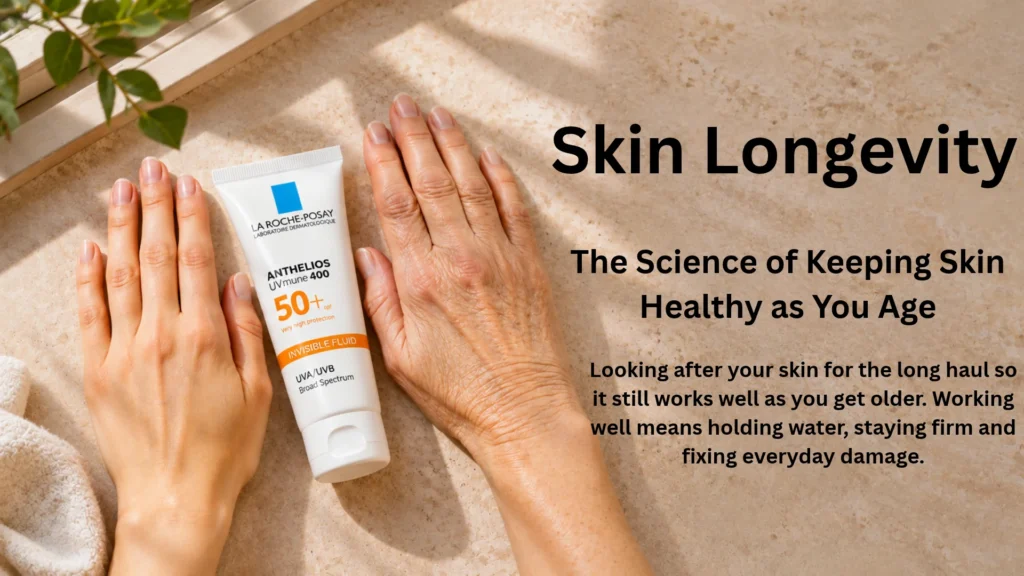
Skin longevity is on so many serum labels now that it’s easy to roll your eyes at it, and fair enough, since most of what it asks you to do is advice dermatologists have been giving for years, like wearing sunscreen and moisturizing and going easy on anything that stings, all so your face is still doing its job at 60.
So what is it, really? Looking after your skin for the long haul so it still works well as you get older. Working well means holding water, staying firm and fixing everyday damage.
Skin Longevity Starts With Prevention And Adds Repair Later
Anti-aging products go after lines and dark spots once they’ve shown up. This approach starts earlier, which is why sunscreen gets so much more attention here than any fancy serum does. Most dermatologists would tell you that you need both, prevention now and repair when something appears. Some call the label a repaint of anti-aging, and the advice underneath has been around for decades.
Genes Set The Pace And The Sun Speeds It Up
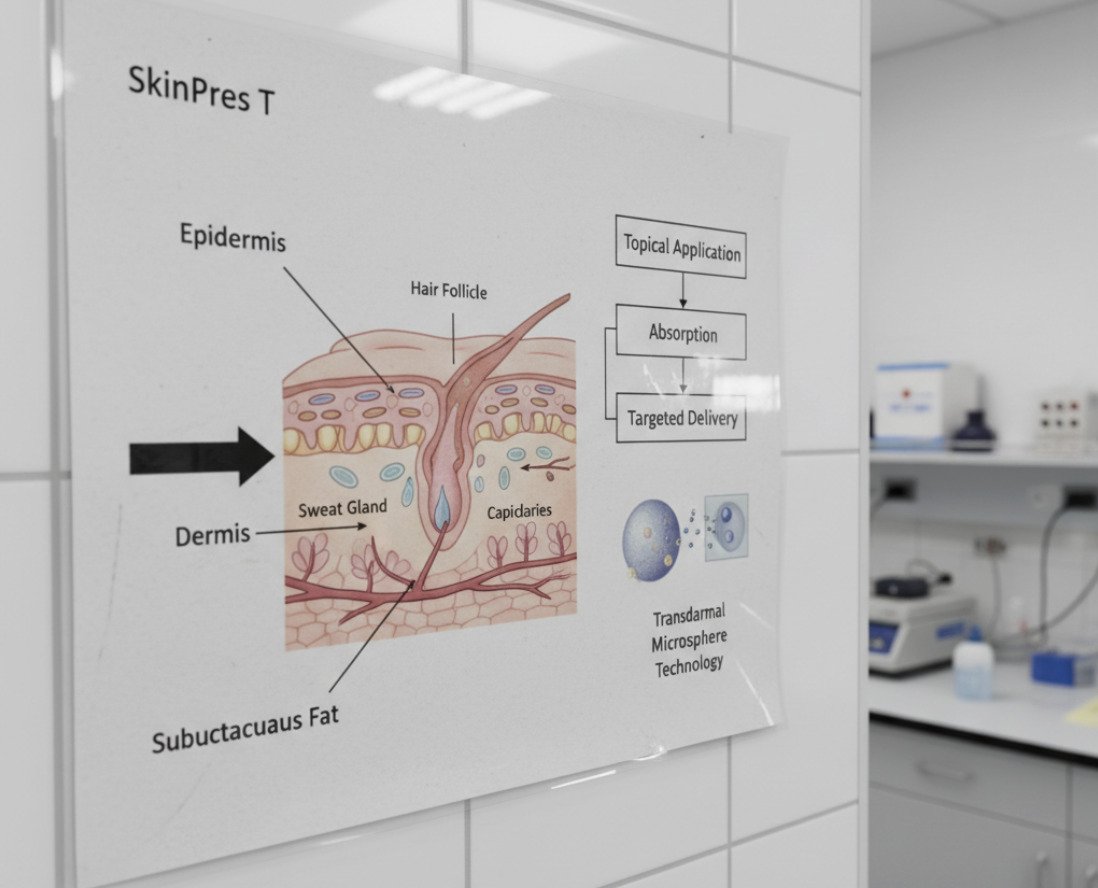
Part of aging is built in. Genes and hormones decide how fast collagen and elastin, the proteins that hold your face firm, wear down, and you can’t change that. The rest comes from outside: sun, pollution, smoking, poor sleep, stress and diet.
Sun is the one to watch. UV rays break down collagen directly, which is why your neck and the backs of your hands age faster than the parts that stay covered. Over the years the outer layer that holds water in, called the skin barrier, gets weaker too. Your face dries out faster and starts reacting to products it used to handle fine. Hormone shifts bring their own changes happens on skin.
Sunscreen Is The Skin Longevity Step Everyone Agrees On

If you only change one thing, make it sunscreen. Use broad-spectrum SPF 30 or higher every morning on your face, neck and hands. Put it on again every 2 hours when you’re outside.
Cloudy days count, and so do car rides, because UVA rays pass through clouds and window glass. A daily habit also helps prevent the dark spots a retinoid would otherwise have to fade later.
Retinoids Have The Longest Track Record
Retinoids are the vitamin A family that includes retinol. They have the most research behind them for fine lines because they help your face make more collagen. Give them months, not weeks.
Start with a pea-size amount every 2 or 3 nights, since rushing can leave you red and flaky. Patch test on your jaw for 7 to 10 days first. If you’re pregnant or trying to be, check with your doctor before using one.
Moisturizer, Vitamin C And Niacinamide Fill In The Rest

Moisturizers are less exciting. Look for ceramides, hyaluronic acid or glycerin on the label, which help the barrier hold water. Vitamin C works as an antioxidant and supports collagen. Results depend on its strength, acidity and packaging, so two vitamin C serums can perform very differently. Niacinamide calms redness and shows up in many newer creams.
You don’t need all three on day one. A plain moisturizer you like using every day beats an expensive one that stays in the drawer.
A Short Skin Longevity Routine Covers Most Of It
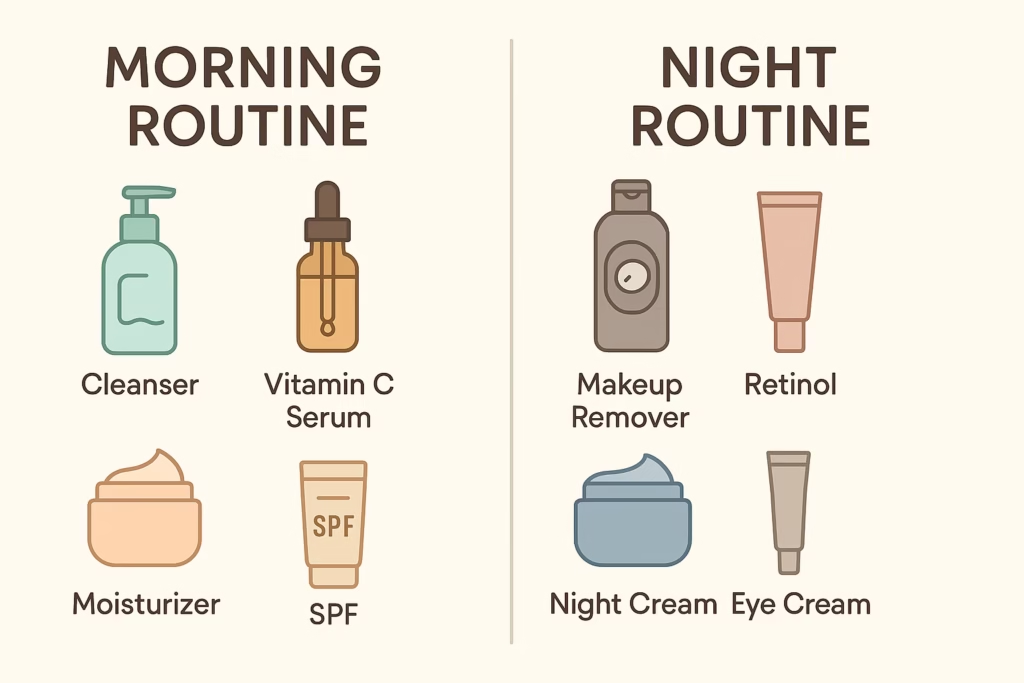
Mornings are quick: a gentle cleanser or plain water, vitamin C if you use one, moisturizer, then SPF 30.
Nights are only a little longer. Wash your face, put on a retinoid 2 or 3 nights a week, and moisturize every night, including the nights you skip the retinoid.
Add one new product at a time, about 2 weeks apart, so you can tell which one is helping and which one stings.
Be Careful With The Newest Skin Longevity Claims
Then there’s the pricey stuff. Peptides have some support, though studies vary, so pick products that name them. NAD+ creams get more buzz than proof. The molecule is real and your body makes it, but it struggles to get through the top layer. Our NAD+ vs retinol comparison goes through why, and labels like “medical-grade” are loose too, as our guide to medical-grade skincare explains.
Tests that hand you a “biological age” deserve a raised eyebrow, because the science is still being worked out. If a product’s main selling point is a lab term you can’t look up, treat it as marketing. Wait until someone tests it on real people.
Sleep, Food And Stress Help Too
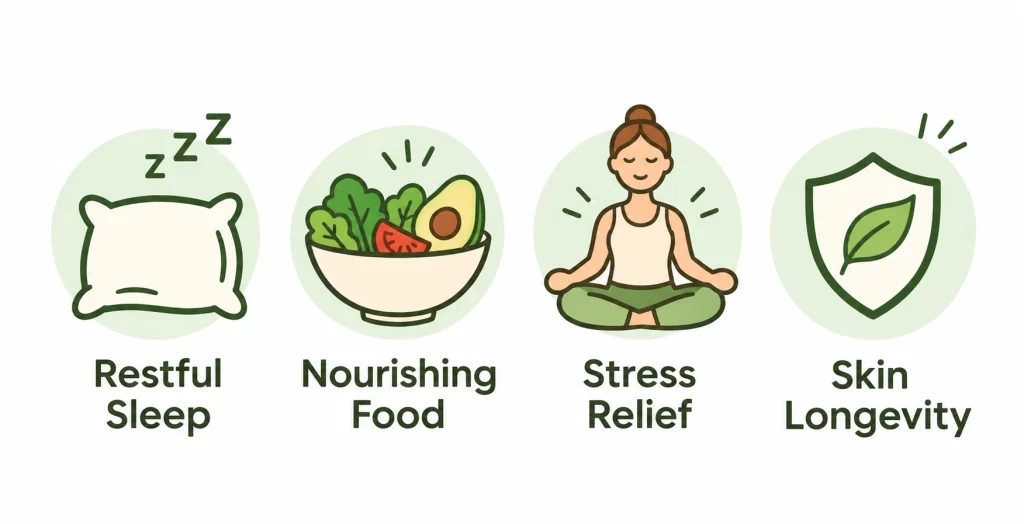
Regular sleep, a varied diet and ways to wind down stress all help your body repair itself, and they cost nothing. They also explain some of the difference between two people on the same routine.
Get Changing Moles Checked
Cancer risk goes up with age, and it can look like an ordinary dark spot. Any new or changing mole or spot should go to a doctor before you put a brightening product on it.
Questions About Skin Longevity
Is this new, or is it anti-aging with a new name? Mostly the second. The goal is the same, and the new part is the push to start early with sunscreen and a healthy barrier.
What age should I start? Whenever you’re reading this works. Sunscreen first, and a retinoid later when you’re ready.
Can products change how I age, or is it mostly genetics? Both. Genes and hormones set the pace, and sunscreen, moisturizer and a retinoid slow down the part you can control. Nothing changes your genes.