
Cavitation Machine for Post Pregnancy, Somewhere between month four and five after the baby, a lot of women hit the wall. The eating’s mostly back on track, the walks are happening, a good chunk of the weight has gone wherever weight goes, and there’s still this one pouch on the lower belly that acts like it signed a lease. Maybe the hips too. Diet doesn’t talk to those spots and neither do the workouts, or not fast enough to keep anyone motivated.
There are cavitation machines for this. Ultrasound for fat reduction, in that one solitary spot, no needles, nothing intrusive, and the home versions have gotten cheap enough that plenty of moms just buy one instead of booking a clinic.
Now, before any of the how-to, if you’re breastfeeding or you haven’t had your postpartum checkup yet, skip down to Safety Measures and read it first. There’s a timing rule there that matters more than anything else on this page, and it’s not a formality.
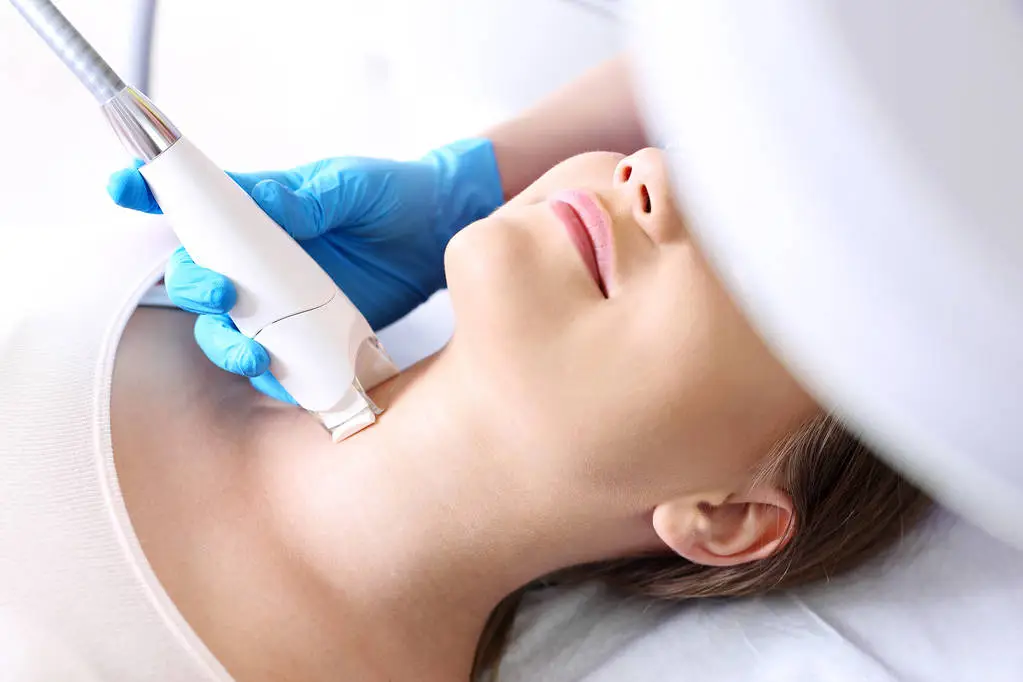
Targeting fat cells by penetrating the skin
When the wand is placed against the skin, the low-frequency ultrasound waves penetrate to the fat underneath the skin and create tiny bubbles in the fat cells. The sudden increase in pressure causes the fat cells to burst. The liquefied fat is then absorbed by the lymphatic system, the drainage system your body uses to get rid of cellular waste products, and carried away in a matter of days.
You don’t feel much. Some warmth, a bit of tingling, and the work’s done. You go fold laundry. That’s the whole recovery.
This is the part the product listings mumble. At-home machines are gentler than clinic machines, and clinic machines are already slow, so you’re basically paying to slowly reshape an annoying little area over weeks of sessions if you’re maintaining a healthy lifestyle. If you think you’re going to get a liposuction result out of a $100 wand, you’ll return this angry by week two. Which is what the reviews on these machines suggest, really: half followed the whole program, and half did not.
Preparing for the cavitation procedure
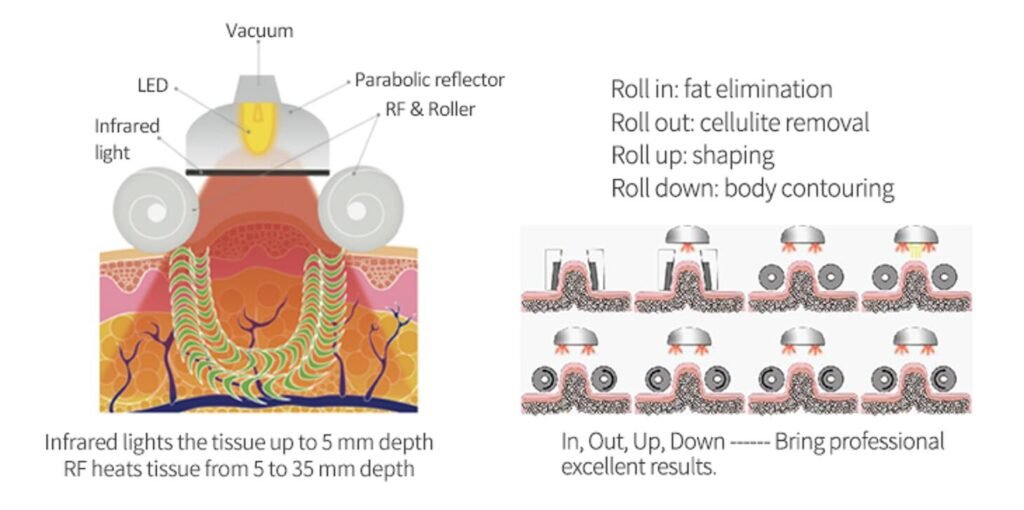
A surprising amount of what you get out of a session is decided before you even go. The following actions will help your body get ready for the treatment:
1. Make sure you stay hydrated
The removal is really done by the lymphatic system, which is powered by a greater fluid volume. So about two liters a day is a reasonable target, but start drinking that a few days before. Boring advice, does the most.
2. Avoid alcohol and fatty or greasy foods
So that your liver does not have to process the fat the machine releases, give it a 48-hour break from wine and takeout before a session.
3. Exfoliate the Area Under Treatment
A regular shower scrub over the spot you’re treating, nothing special, just enough to clear the dead skin so the waves pass through clean.
How to use a cavitation machine
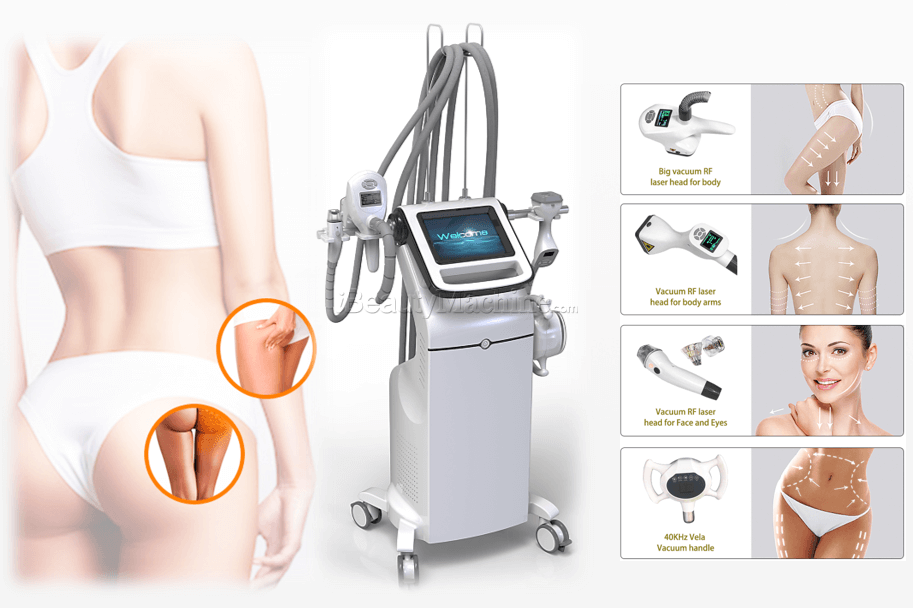
1. Choose the area you want
The belly, the hips, the thighs, the arms, wherever the stubborn stuff has settled. You want at least an inch of fat you can pinch there, because a thin layer over muscle doesn’t give the ultrasound anything to work on and you’ll be waving the wand at nothing.
2. Apply a Conductive Gel
As with all ultrasounds, air is an insulator, so liberal use of gel is essential. Just a heads up, this stuff is the same slime they use for pregnancy ultrasounds, and gets everywhere. A good rule of thumb is the couch, the phone, somehow on the door handle, always keep a towel underneath and a rag nearby, and buy a bigger bottle than you think you need, because skimping on gel is the number one way people quietly ruin their own sessions.
3. Choose an Appropriate Setting
Low, the first time. See what your skin says about it. You may feel a little warm and can build up to more intensity over a few sessions.
4. Move the Device in Circles
Hold wand flat against the skin and turn wand on. Move wand in slow circles until the skin has been evenly covered with the treatment. Do not hold wand in one place. Your manual will specify how long to scan; at-home machines usually suggest 15 to 30 minutes per area.
5. Keep the Pressure Firm but Gentle
All the waves need is a flush contact. Pushing harder doesn’t drive ’em down deeper, it just leaves you bruised and convinced the machine hurt you.
6. Focus on one area at a time
Do the belly today and the thighs another day. Splitting one session across three zones shortchanges all of them, and then in the reviews, it’s the machine’s fault.
Following Treatment Care
The session breaks the fat down, and that’s when your body eliminates it over the next few days. So this part is half the treatment whether it feels like it or not.
Water again, same two liters, same reason
Anything that gets your body moving every day will help your circulation, no workout necessary. You can meet your minimum exercise requirement by walking for 30 minutes, even while pushing a stroller.
Food-wise, the logic’s simple enough it barely needs saying: vegetables, fruit, some lean protein, whole grains, and not a lot of processed and sugary stuff, because rebuilding the exact fat you just spent a session breaking down is the one guaranteed way to run in place.
And rub the treated area for ten or fifteen minutes a day, with a firm but not harsh touch. It keeps blood flowing in the spot and nudges the drainage along.
Regularity of Cavitation Procedures
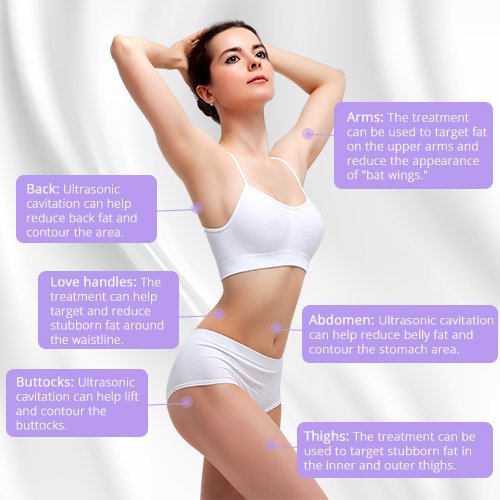
Phase I consists of six to twelve sessions in a given area, with at least three days between them, allowing the body to clear the area. The reason for the long waiting period is that if you give it a fresh bunch of broken-down fat before it has processed the previous batch, you gain nothing.
Maintenance Phase: once the first run is done, a session a month or so holds the result.
Sessions four, five, six, that’s usually where people start noticing anything, and the closets of the world are full of these machines because their owners stopped at three.
Safety Measures
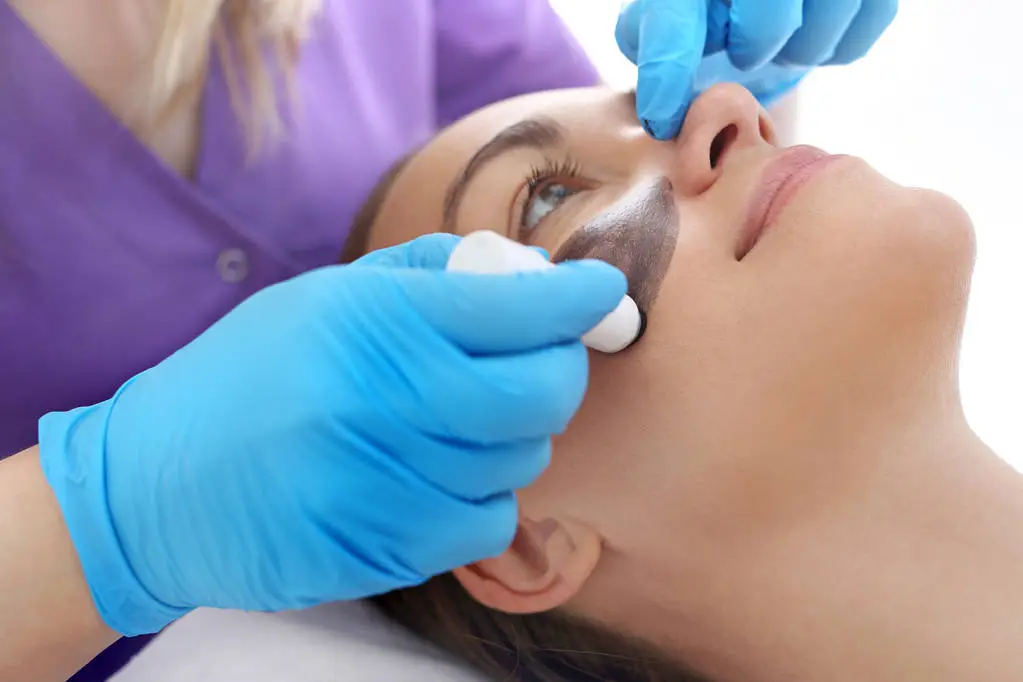
Everything above is on hold until this section clears
Wait for your doctor’s clearance to use this machine, which comes at your postpartum checkup, about six weeks after birth for most, longer if you had a C-section or complications. Those weeks are repair weeks, your body has no room for a side project.
Not while breastfeeding. The cavitation is dumping broken-down fat into your system for processing. Nobody has done any studies to see what that means for milk. Everyone, manufacturers and practitioners alike, say wait until after weaning. If you want a second read, ask your own doctor. Don’t cut corners here.
Know what it can’t fix. If you have diastasis recti, your abdominals have separated during pregnancy, the gap behind the pooch some people call mommy tummy, no amount of cavitation touches it. That’s muscle, not fat. So if core rehab is the fix, let a doctor or physical therapist tell you which one you have before you spend weeks treating the wrong problem.
- Do not use over a C-section scar that has not fully healed, on open wounds, on rashes or infections on the skin.
- Be patient and listen to your body. Discomfort means stop. If you have a liver, kidney, or heart condition, check with your doctor first, as these organs filter everything the machine releases.
- And once you get past those lines, the rest is just the normal routine: gel, circles, water, walk, repeat, and check the mirror in a month.