
Titanium dioxide turns up in a huge amount of makeup, and it’s also one of the most misunderstood things on an ingredient list. Some people go looking for it because of the coverage and sun protection it gives. Others give it a wide berth after reading something alarming. Flip over a foundation, powder, concealer or mineral makeup and there’s a good chance it’s sitting right near the top of the ingredients. So what’s it doing in there, and is it worth losing sleep over? Short version: probably not, but the longer version is more interesting.
What it actually titanium dioxide in makeup is?
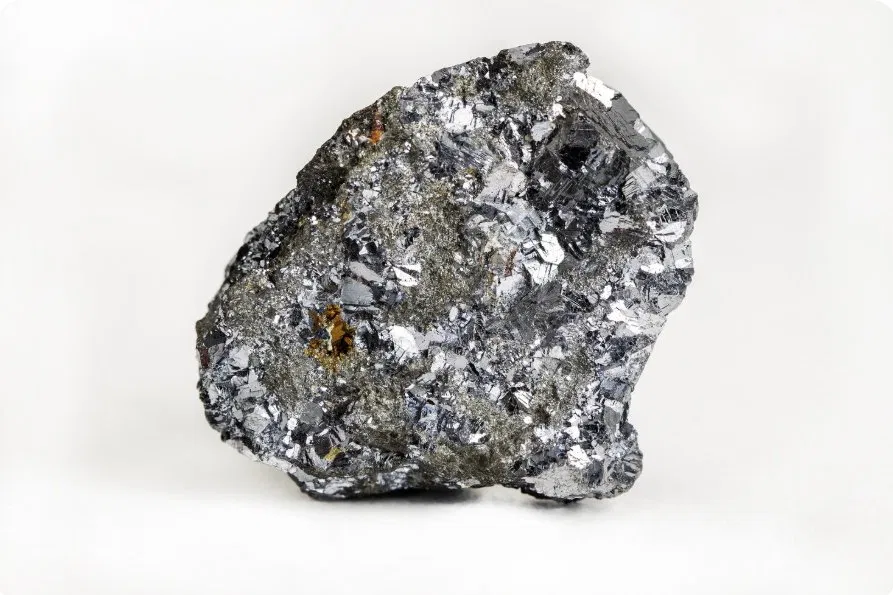
It’s a naturally occurring mineral, and it’s been in cosmetics for decades, so this isn’t some new lab invention anyone’s sneaking past you. It’s a bright white powder, and the reason formulators reach for it is that it does three useful things: it’s opaque, it’s brightening, and it blocks UV. Inside a makeup formula that turns into real jobs whitening and brightening, lifting coverage, evening out the finish, shielding skin from UV, and making mineral makeup behave the way it’s meant to.
Which is why you’ll find it almost everywhere: foundations, pressed and loose powders, concealers, BB creams, tinted moisturisers, mineral makeup, and basically anything with an SPF claim slapped on it.
Why brands keep using it
Because it fixes several problems in one go. Take it out and a lot of products would struggle to hit the same coverage, the same consistent colour, the same UV protection.
It covers well, hiding redness and discoloration without piling on pigment. It’s stable, so it doesn’t fall apart under light and heat handy for anything meant to sit on your face all day. Formulated properly, it leaves a smooth finish instead of a heavy mask. And it bounces UV radiation away, which is the whole reason it ends up in mineral sunscreens and SPF makeup. Not bad for one white powder.
Where the worry actually comes from
Most of the nervousness traces back to two things: stories about breathing it in, and arguments between regulators. Here’s the catch a lot of headlines treat every form of titanium dioxide as if it’s equally risky, as though a cloud of fine dust and a finished cream were the same beast. They’re not, and that’s usually the bit that gets dropped.
The real concerns are about airborne particles, factory and occupational exposure, and fine powders you might inhale. Smoothing a finished product onto your skin is a different scenario, and once you’ve got that straight, it’s much easier to tell whether a scary claim has anything to do with you or not. In all my years working with different skin types, I’ve never had a client react to the titanium dioxide in their foundation the way the internet warns they will the worries that hold up are almost always about powders in the air, not creams on the face.
Makeup and food aren’t the same argument
Some of the muddle comes from titanium dioxide popping up all over the place cosmetics, sunscreens, medicines, paint, and until recently, food. A ruling about one of those doesn’t quietly apply to all of them. Worries about eating it, say, don’t automatically transfer to wearing it, because swallowing something and applying it to your skin are nothing alike.
So when you’re reading about it, the first thing worth asking is dead simple: which kind of exposure are they on about breathing it in, swallowing it, or putting it on your skin? Those three live in different boxes with different answers, and blurring them together is how people end up frightened of their foundation.
Its job in mineral makeup
In mineral formulas it really pulls its weight. A lot of mineral foundations are built on three things working together titanium dioxide, zinc oxide and iron oxides and between them you get coverage, colour correction, sun protection and staying power. If you’re the sort who likes short ingredient lists and clean-leaning makeup, you’ll keep running into titanium dioxide, simply because it’s a backbone of those stripped-back recipes.
Titanium dioxide vs zinc oxide
People pit these two against each other constantly, since both are mineral staples. Roughly how they compare:
| Feature | Titanium Dioxide | Zinc Oxide |
|---|---|---|
| Coverage | Excellent | Moderate |
| Whitening effect | Higher | Lower |
| UVB protection | Strong | Strong |
| UVA protection | Moderate | Stronger |
| Skin sensitivity | Generally well tolerated | Generally well tolerated |
| Common in makeup | Very common | Common |
In real formulas, brands rarely pick a side. They use both, because each one shores up the other’s weak spots and the pairing just works better. If your skin reacts easily, that pairing matters even more and it’s worth reading up on how medical-grade skincare works for sensitive skin before you settle on a base.
How to find it on a label
If you want to track it down, or dodge it, the label gives it away. It shows up as “Titanium Dioxide,” “Titanium Dioxide (CI 77891),” or just “CI 77891.” Where it’s listed depends on the product sometimes among the active ingredients, sometimes the inactive ones. In anything with SPF you’ll usually find it under actives, since that’s where its UV-blocking work counts.
So, avoid it or not?
Honestly, that’s your call, and either way is fair. Some people want it for the coverage and sun protection. Others skip it on principle a clean-beauty preference, or unease about a particular format. Neither of you is wrong.
There’s one piece of advice that holds no matter where you land: with loose powders, go easy on how much you’re breathing in. That’s just sensible, whatever minerals are in the jar. Creams, liquids and pressed products don’t throw off the same airborne dust, so the picture there looks pretty different.
What’s worth weighing up when you buy
Instead of obsessing over one ingredient, step back and look at the whole product. The full ingredient list, the format, how sensitive your skin is, the coverage you’re after, whether you need SPF, how open the brand is, and what independent sources say. A good product comes from a lot of ingredients getting along, not from one hero or one villain on the label. The same logic applies to ingredients people genuinely should watch, like pore-clogging ones our guide to comedogenic makeup and acne risk is a good companion read here.
How we see it at EROthots
This is the exact kind of question we field across the chair at EROthots, and our take never changes: don’t be scared of an ingredient, get to know it. Beauty has no limits, but it ought to be informed the right makeup for you comes down to your skin, not to whatever the internet has decided to panic about this week.
It’s why we lean toward properly formulated, mineral-leaning makeup instead of chasing buzzwords, and why we put together a free, AAD-aligned skin-type assessment, so you can actually find out what your skin needs before you spend a penny. Knowing whether you run dry, oily or sensitive tells you a lot more about whether a titanium-dioxide foundation will suit you than any headline will it’s the same thinking behind our everyday makeup routine for all skin types. And if you’d rather not puzzle it out solo, that’s what we’re here for straight, personal guidance on what genuinely fits your skin, in the salon or at your door.
Final thoughts
Titanium dioxide stays near the top of the most-used list in makeup for an unglamorous reason: it brings coverage, brightness, stability and sun protection all at once. The worries floating around online aren’t made up, but context decides everything breathing it in, swallowing it and wearing it are three separate conversations, and squashing them into one is where the fear comes from. The calmest approach is the dull-but-true one: read the label, think about how you’re actually using the product, and decide based on solid information rather than a headline that’s chasing a click.
This article is for general information and isn’t medical advice. If you’ve got specific skin or health concerns, it’s worth talking to a dermatologist or qualified professional.
Jerusa Cesar, Dermatologist — I’m Jerusa Cesar, and I love helping people understand their skin better through my articles on erothotsd.com. As a skin expert, I share the real truth about skincare without all the fancy talk. My years of working with different skin types have taught me what truly works, and I enjoy breaking down complex skin problems into simple solutions. In my writing, I focus on everyday skin issues, from acne to aging, and share tips that actually help. I believe everyone deserves healthy skin, and I’m here to guide you through your skincare journey with advice you can trust and use right away.