

Over 30 million online shops exist in the world, about one-fifth of which sell fashion or beauty merchandise.
So thousands of shops are chasing the same customer as you. That’s not a stat to feel bad about, it’s just the map you’re working with.
Here’s what’s working for fashion and beauty brands on social right now, some of it not what the standard playbook tells you.
Making the Most of Different Social Media Platforms in Fashion and Beauty

Instagram, in particular, still reaps the most rewards from this niche; shopping tags, for example, shorten the gap between inspiration and purchase, and a well-explained tutorial sells harder than most paid ads.
Pinterest is underrated: people are showing up, ready to buy, sometimes weeks ahead, before they get to your site. That lookbook you pinned today will still bring you traffic next season, while a week’s worth of feeds have buried your Reel.
TikTok is where the trend starts. YouTube is where someone goes once they want the full explanation. Skip either one and you’re missing half the people who would’ve bought.
Let’s not take this too seriously, though: you already know that Instagram is visual and TikTok is fast. What you really want to know is what platform your customers are doing their purchasing on, that information you can only get by looking at your own numbers for a couple of weeks.
| Platform | Best For | Content |
|---|---|---|
| Shopping, product shots | Tutorials, Reels, outfit clips | |
| Planning ahead | Lookbooks, boards | |
| TikTok | Trends, hauls | Quick tricks |
| YouTube | Trust-building | Full reviews, tutorials |
On Growth Services
Building an audience through content alone works, it’s just slow. Some brands pay for it. To get Instagram followers using Path Social is paying for targeting, putting posts in front of people already into your niche, not paying to inflate a follower count. I think that’s a fair distinction. But no service fixes weak content. It gets the right eyes on your page. What happens next is on you.
Creating Content That Speaks to Fashion and Beauty Lovers

Posts that work are either showing something or solving something. Those are the two things.
- Before and after transformations.
- Style guides, generally arranged by body type or occasion.
- Season forecasts, how to wear it.
- Behind the scenes from a shoot.
- Quick hacks and demos.
A lipstick on a blank white page: nobody shares a catalog page. Brands doing this well build a scene around the product, not the lipstick but the whole date-night look, not the dress but five different ways to wear it.
Live video is in its own bucket with live tutorials, skincare Q&As, live shopping where people buy while watching. The rough edges are the point here. Most of the time a slightly messy livestream where a product visibly works is better than a perfectly lit post.
Partner with Influencers in the Fashion & Beauty Vertical
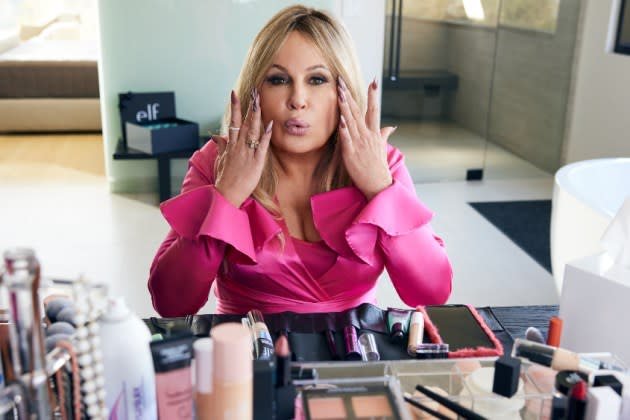
However, most influencer budgets are wasted on paying for followers rather than for fit.
Relevant for budget allocation, micro-influencers (10,000-100,000 followers) have an average engagement rate of 3.86% compared to 1.21% for accounts with 1 million or more followers, roughly three times the engagement for a noticeably smaller spend. Micro influencers are paid in the domain from $500 to $5,000 per post, while macro influencers start with $10,000. And that isn’t a hunch, it’s what several independent social media trackers keep landing on.
Platform also changes the math: TikTok’s engagement rate in the US is about 18% while Instagram’s is about 2.4% and YouTube’s is about 0.5%. So the same influencer tier behaves very differently depending on what platform its content is on.
| Type | Followers | Typical Cost | Average Engagement |
|---|---|---|---|
| Micro | 10K-100K | $500-5,000/post | ~3.86% |
| Macro/Mega | 500K-1M+ | $10,000+/post | ~1.21% |
None of that means macro is a bad buy, just a different one. Along with celebrity accounts, they still command a higher reach and visibility, but their value is more at the top of the funnel than at the point of conversion. A lot of brands run both, a small creator for the sale, and one or two larger names for the awareness that gets people looking in the first place.
Finding the Right Fit
The fit is anyone who is using or could use your product, at either level.
- A look that can co-exist with your brand.
- Comments that have real questions, instead of rows of heart emoji.
- Followers who resemble your actual buyer.
Sustainable fashion belongs with creators already talking about eco-friendly living. Luxury skincare belongs with people posting detailed routines to an audience that spends. But mess up that pairing and the numbers above don’t matter: a mismatch and the post is, in three seconds flat, an ad, scrolled past regardless of who’s paying.
Building a Strong Community Around Fashion and Beauty

People here want to share looks, ask questions, argue about products. Give them somewhere to do that and they’ll do half your marketing without being asked.
- Weekly styling challenges.
- “Show us your look” contests.
- Monthly threads where people share their routines.
- Customer feature days.
None of it is clever, it just has to keep happening month after month.
Above that, is the bigger loyalty builder, who sees product previews before they launch. Ask them to comment on what they think about an upcoming collection, and actually implement their feedback. A hashtag unique to the members. Customer transformations are posted as if they were coming directly from the brand itself.
Then you have virtual events, live Q&As, things that keep the conversation warm between launches. If people are still talking three days after your last post, that’s the sign it’s working.
Smart Ways to Track What Works in Fashion and Beauty Social Media

Likes are irrelevant. Saves matter much more because it basically means someone is going to come back and buy, which is about as close to purchase intent as you get from any content published organically.
Story replies and share rate show if the story was worth sharing. Click-through on product links indicates interest in purchasing the product. Comments that seem more organic or have real questions, rather than just “love this,” also indicate engagement.
Sometimes you already have buyers waiting for certain items, formats, and collection ideas to be made before you get around to making them.
Usually, sunscreen posts see their highest engagement in spring. Conversely, winter fashion previews have the highest engagement in late summer. The ones that catch onto this catch the wave, and the rest are two weeks late.
Seasonal Strategies for Fashion and Beauty Brands

Here, demand swings harder by season than almost anywhere else, so the calendar is basically the strategy.
- Spring: light layers, skincare changes.
- Summer: sunscreen, waterproof makeup.
- Fall: layering, rich colors.
- Winter: holiday, cold weather routines.
Lead time separates the brands that are thinking ahead, and the ones that are always three months behind. For summer, this means building content at the beginning of spring, for fall, at the beginning of summer, and holiday tutorials, at the beginning of the fall.
March and September are where no one gets through with content, and that’s why they’re worth taking. Everyone’s closet and their skin have no idea what they’re doing that week, and almost no one addresses it directly.
Creating Viral Beauty and Fashion Content That Works

No one can promise a video will go viral. Anyone telling you otherwise is selling something.
What tends to do well: fast cuts, 60-second make-up changes, outfit transitions with trending audio, posts that fix an annoying problem, styling one piece five different ways, quick fixes. Behind the scenes posts which work because they don’t look like an ad.
Some things that help the odds:
- Keep it under sixty seconds where you can.
- Use sounds while they’re still rising in popularity, not once they’ve gone stale.
- Include on-screen text for people watching the video with sound off.
Future Trends in Fashion and Beauty on Social Media

The era of AR try-ons being a gimmick is fading. Artificial intelligence is starting to curate what followers see. As live shopping becomes the norm, beauty masterclasses and virtual fashion shows allow fans to attend launches whenever and wherever they may be.
The bigger shift is in showing things as they are, not as they should be. Reviews are increasingly willing to admit a downside instead of only listing benefits. People here are very good at spotting posts that have something hidden in the good lighting. The brands that are willing to look unfinished are the ones that are killing it right now.
Practical Steps to Get Started
I. Weeks one and two: write a short plan, open the accounts, decide what a couple of content headers will be, and stock product images.
II. Weeks 3 and 4: two or three a week. Mix product shots and basic product tutorials. Reply to every comment, since there won’t be many yet and thus they count.
III. Month two: engage with accounts in your niche, run one small contest, collect and share user generated content, experiment with posting times and look at your own analytics, not someone else’s.
In the end, consistency wins through all of this. Three posts a week for six months are better than a post a day for five weeks.