
Fashion Week season took me to Tokyo and Seoul this year.
Runway shows, designer meetups, and enough ground covered between both that staying connected stopped being optional. A tourist eSIM for Japan and Korea mattered most in the unglamorous gaps. Chasing a schedule update. Finding a venue with twenty minutes to spare.
Fashion week venues run on entrance requirements that shift constantly. The trip only worked because I could check both on the move.
Starting in Tokyo: At Rakuten Fashion Week

Tokyo opened the trip.
Avant-garde runway looks, traditional aesthetics, both at once. Between shows I spent mornings in Harajuku. Street style ran from dramatic gothic Lolita ensembles to minimalist looks that would show up on the runway a day later. Nothing in years of covering fashion quite matched it.
A few districts earned repeat visits.
| District | Fashion Style | Best Time to Visit | Must-See Locations |
|---|---|---|---|
| Harajuku | Street Style/Youth Fashion | 10 AM – 4 PM | Takeshita Street, LaForet |
| Shibuya | Contemporary/Trendy | 2 PM – 8 PM | PARCO, Shibuya 109 |
| Ginza | Luxury/High-End | 11 AM – 7 PM | Dover Street Market, Ginza Six |
Discovering Kyoto’s Timeless Beauty

Tokyo’s real fashion scene lives in its streets, not the runway.
One afternoon in Shimokitazawa, recommended by local style blogs. Vintage stores. Indie boutiques.
Koenji turned up pieces echoing that week’s runway trends. Cat Street was busy with fashion week attendees shopping between shows. Daikanyama T-Site, an architectural standout, held curated fashion magazines and style books worth an hour alone.
Tokyo’s Fashion Heritage

A detour deeper into the city between fashion week days. Traditional craftsmanship, still shaping modern collections.
Local textile artists walked through kimono making in detail. Suddenly it made sense why several Rakuten designers had woven those same techniques into their pieces.
A typical fashion-focused day there:
| Time | Activity | Fashion Connection |
|---|---|---|
| 9 AM | Nishijin Textile Center | Traditional weaving techniques |
| 12 PM | Kimono Forest at Arashiyama | Modern textile installations |
| 3 PM | Gion District | Contemporary maiko fashion |
| 6 PM | Modern Kimono Boutiques | Fusion fashion pieces |
The textile masters talked at length about sustainable practices running through Japanese craft for centuries. That context proved useful later, interviewing designers at both fashion weeks about their own sustainable work.
Seoul Fashion Week
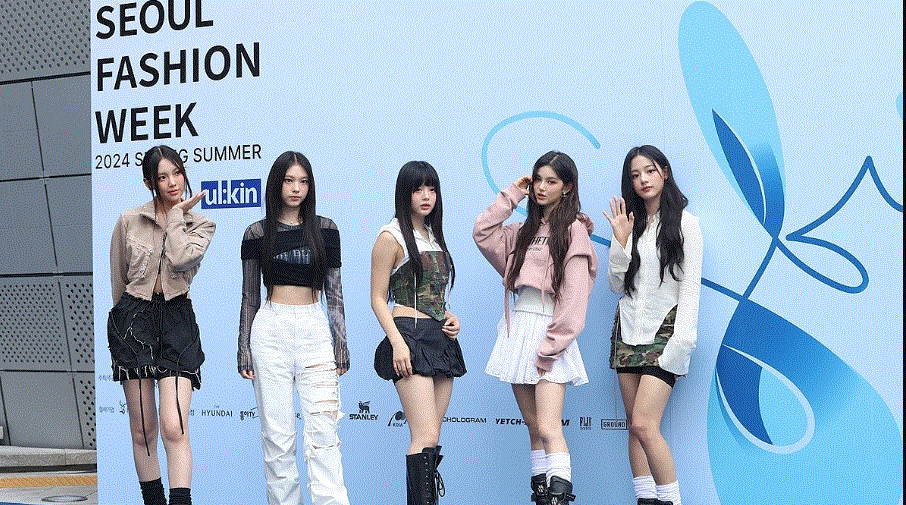
A different fashion universe entirely. Tokyo leaned into experimentation. Seoul blended streetwear and luxury, K-pop’s fingerprints in nearly every show.
The schedule stayed hectic. Venues across the Dongdaemun Design Plaza. Live-streaming behind-the-scenes interviews. Coordinating street style shoots with other bloggers. Updating readers on runway trends as they happened, not after.
K-Beauty and Fashion

Myeongdong became something like a second home between shows.
It’s easy to explore the fashion side of Seoul’s reputation as Asia’s beauty capital just by walking its streets. Beauty and fashion intertwine here more than almost anywhere else on the trip. Plenty of Seoul designers had collaborated directly with beauty brands to build complete looks, not treat clothing and makeup separately.
Myeongdong: fashion-forward skincare, LED facial treatments. Garosu-gil: boutique beauty concepts, custom perfume making. Hongdae: indie beauty brands, K-pop-inspired makeovers.
Korean Street Fashion in Hongdae

After Seoul Fashion Week’s intensity, a total shift in register.
University students mixing high-end pieces with vintage finds. Nothing like the runway just days earlier.
Oversized blazers with cargo pants, ADER Error and Gentle Monster. Vintage band tees layered with mesh tops, straight from local thrift shops. Platform sneakers with midi skirts, Nike collaborations. Statement bags mixed into otherwise casual outfits by Korean indie designers.
Seoul’s youth culture shapes trends well before they reach international runways. Hours spent talking to street style icons made that lag time obvious in a way no runway show could.
Busan’s Fashion Scene: A Coastal Perspective

After Seoul’s energy, a different fashion market entirely. Korea’s second-largest. Genuinely coastal in feel.
Local designers described the port city’s identity feeding directly into their work. Maritime themes fused with contemporary streetwear. A relaxed approach to layering, suited to the coastal climate. Sustainable materials inspired by ocean conservation. Real surf culture influence running through local brands.
Seomyeon Fashion Street turned up emerging designers who hadn’t shown at Seoul Fashion Week at all. A genuinely different read on Korean style than the capital offers.
How My Tourist eSIM Enhanced the Experience
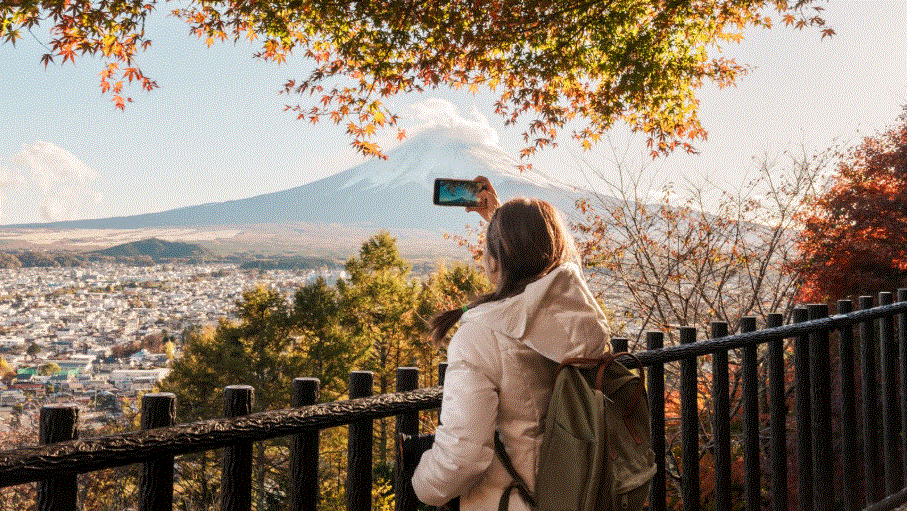
Connectivity mattered most in the moments not worth posting about.
Real-time schedule updates meant catching a show change before standing outside a locked door. Navigation got me to hidden showrooms no printed map listed. Constant social access kept street style content flowing while it was still relevant. And more than once, a quick connection settled a question about a designer’s background mid-interview instead of guessing and correcting it later.
Jeju Island: Combination of Fashion and Nature
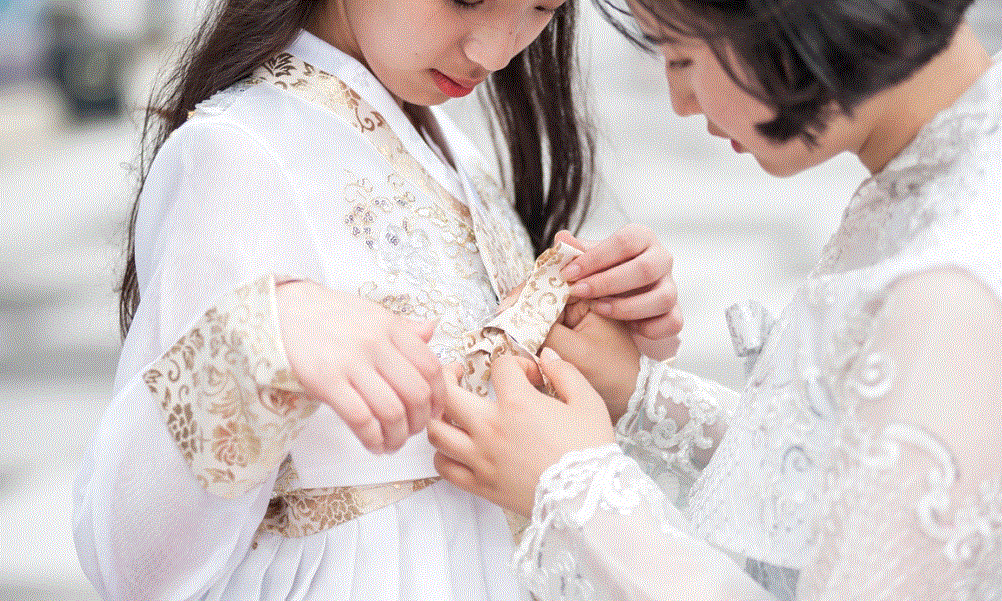
Jeju closed the trip. Chosen deliberately, to decompress after both fashion weeks.
- An emerging sustainable fashion movement was worth the detour on its own. Local artisans reworking traditional craft for modern fashion.
- Volcanic rock, black-dyed textiles, natural dyeing processes. Native plants, organic patterns, locally sourced fiber. Ocean waste turned into recycled-material fashion. The island’s wind shaping flowing, zero-waste silhouettes.
- Mornings went to interviewing craftswomen incorporating haenyeo, the island’s female divers, into contemporary pieces. A blend of tradition and modernity neither fashion week came close to showing.
Final Reflections: The Future of Asian Fashion
Technology and tradition wove together constantly across this trip.
Staying connected via tourist eSIM for Japan and Korea became less about convenience, more about documenting things in real time rather than reconstructing them from memory afterward.
The two cities diverged in almost every category:
| Fashion Element | Tokyo | Seoul |
|---|---|---|
| Sustainability | Tech-forward solutions | Traditional craftsmanship |
| Street Style | Avant-garde experimentation | K-pop influence |
| Color Palettes | Muted minimalism | Bold color blocking |
| Textile Innovation | Smart fabrics | Upcycled materials |
Future Fashion Week Tips
For anyone planning something similar:
Follow official fashion week accounts early, for registration windows. Connect with local fashion bloggers before arriving. Study previous seasons’ shows for context going in. Plan a content strategy before the schedule gets chaotic.
And sort out connectivity before departure. A working tourist eSIM for Japan and Korea mattered more for logistics than for anything post-worthy. Finding venues. Catching schedule changes. Getting from one city to the next without losing half a day to it.