
NAD+ vs retinol gets sold in skincare ads as a contest between an old ingredient and a new one. In reality the two don’t compete for the same job. If your goal is fewer lines, faded spots or clearer pores, retinol is the one to buy. NAD+ products make more sense for skin that turns red or stings easily, although the credit for that usually belongs to a different ingredient in the bottle.
Quick answer:
- Go with retinol if you want help with fine lines, sun spots, rough skin or old acne marks. It has been tested on people’s faces for decades.
- Go with niacinamide or an NAD+ cream if your skin turns red easily or stings with most products, or while you slowly get used to retinol.
- Use them together if your skin is fine with it. Just keep the retinol for nighttime.
- Leave retinol alone while you’re pregnant or breastfeeding.
Retinol Has Been Tested On Human Skin For Over 50 Years

Retinol is a form of vitamin A. After it soaks in, your skin changes it into retinoic acid. That acid tells your skin cells to renew themselves faster than they normally would. Dead cells come off the surface sooner. Deeper down, your skin makes more collagen. Over 3 to 6 months most people notice softer fine lines, lighter sun spots, smoother texture and fewer clogged pores. Doctors started prescribing tretinoin, the stronger prescription cousin of retinol, in the early 1970s, so dermatologists have watched what vitamin A does to faces for longer than most of us have been alive. Very few products on a beauty counter come with that kind of record.
The first month can be rough. Dry patches, flaking and some redness are normal while your skin adjusts. A few small breakouts may also pop up early, because clogged pores empty out faster. People call these the retinol uglies. For most of us they settle within 4 to 6 weeks. Starting slowly, with a pea-sized amount on 2 or 3 nights a week, keeps it manageable.
NAD+ Struggles To Get Through The Top Layer Of Your Skin

Your body makes NAD+, short for nicotinamide adenine dinucleotide. Cells use it to turn food into energy and to repair damage from sunlight. Because levels drop with age, brands began putting it in creams on the theory that topping it up would help older skin behave like younger skin.
Getting it in is the hard part. Skin works as a wall. As a rough rule, it lets through molecules lighter than about 500 Dalton’s. NAD+ comes in at around 663. Light, heat and air break it down as well, so a cream can lose some of its NAD+ before the jar is even half empty. Most plain NAD+ ends up resting on the surface of your skin.
Some brands now wrap NAD+ in tiny fat bubbles called liposomes so it can slip past that outer layer. A 2025 lab test reported about 30% more getting in this way. Keep in mind the test used skin from 1 donor, kept in a dish for 24 hours. Without a proper study on living faces over a few months, nobody can say how much difference a liposome NAD+ cream makes in a mirror.
Look For Niacinamide On The Back Of The Bottle
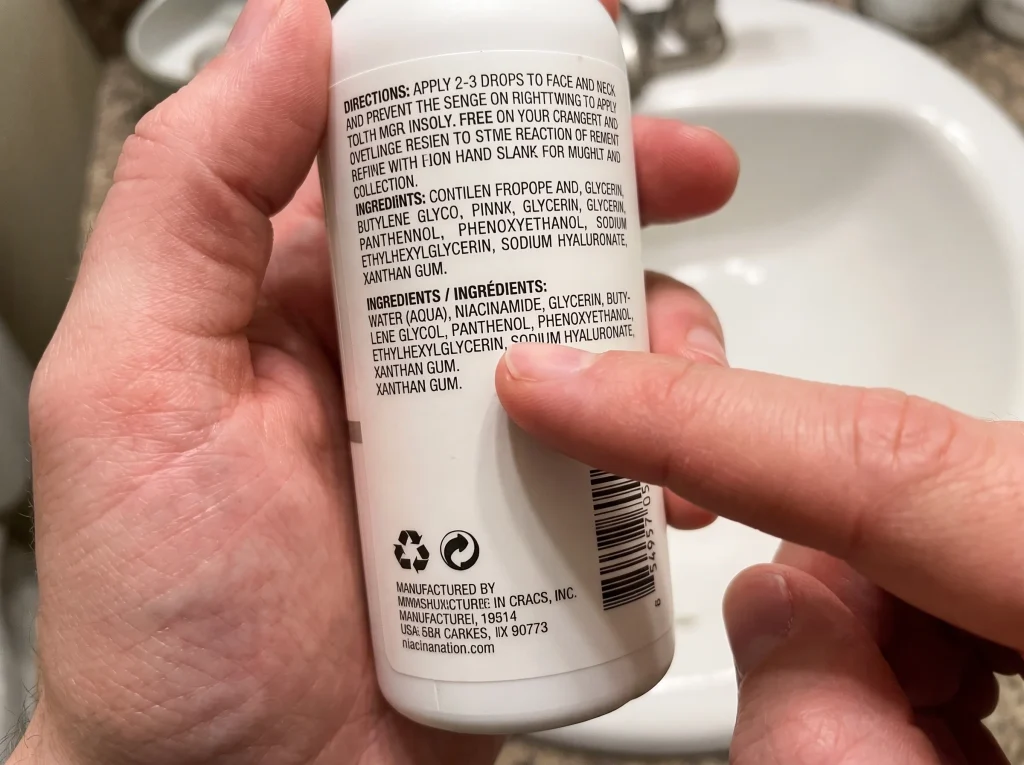
Turn most NAD+ products around and you will find niacinamide somewhere in the ingredient list. Niacinamide is vitamin B3. Weighing only about 122 daltons, it passes into skin easily. Inside, your cells use it to build their own NAD+.
Unlike NAD+ itself, niacinamide has years of studies on real people behind it. Used daily, it calms redness, helps skin keep its moisture and cuts back on oily shine. Given a couple of months, it also lightens dark patches a little. So whenever an NAD+ cream seems to work, the niacinamide in it is likely doing most of the job.
Price is where this matters. NAD+ creams often cost $80 to $280, while a plain niacinamide serum costs far less. Before paying the higher price, check a few things on the label:
- where NAD+ appears in the list (ingredients go from most to least).
- niacinamide, NMN or nicotinamide riboside somewhere in there.
- if the brand mentions liposomes or encapsulation.
- the packaging (an airless pump protects NAD+ much better than an open jar).
Your Skin Type Decides Which One Goes On First
| If your skin… | Start with |
|---|---|
| Has fine lines or feels less firm | Retinol |
| Has sun spots or uneven color | Retinol at night, niacinamide in the morning |
| Breaks out or has acne marks | Retinol |
| Turns red or stings easily | Niacinamide or an NAD+ cream |
| Is raw, peeling or burning | Nothing new until it heals |
| Belongs to someone pregnant or breastfeeding | Niacinamide, after checking with your doctor |
Sensitive skin needs a slower start. Use niacinamide alone for about a month. If your face stays calm, bring in a gentle retinol over a layer of moisturizer.
Pregnant readers should put retinol aside until they’ve finished breastfeeding, because vitamin A products are among the ingredients doctors usually ask expecting mothers to avoid.
In your early 20s, daily sunscreen protects your skin more than anything in this article.
Using Them In One Routine Works For Most People
Retinol and NAD+ can share a routine without trouble, provided the retinol stays in your evening steps. Retinol makes skin more sensitive to sun, whereas NAD+ and niacinamide don’t, so those two can go on in the morning as well.
For the evening:
- Wash and dry your face.
- Apply the NAD+ or niacinamide serum.
- Spread a pea-sized amount of retinol over your face, keeping clear of the nose creases and the skin right under your eyes.
- Finish with moisturizer.
If retinol stings even at a low strength, put moisturizer on before it as well as after. Skin in that dry, irritated stage benefits from a calming formula such as our Centella Asiatica Cica Moisturizer Serum. Strong acid peels should go on a separate night from NAD+, because acid can break NAD+ down.
Is NAD+ The Same Thing As Niacinamide?
They are different ingredients. Niacinamide is a smaller one that your skin turns into NAD+ on its own. Of the two, niacinamide has far more evidence for use on the face. It usually costs less as well.
Skin that stings, flakes or breaks out often should be calmed down before you add retinol or a new serum. If you’re unsure where your skin stands, our skin services start with a free consultation.