
Most advice on treating uneven skin tone treats it like a single problem with a single solution: buy the serum, fade the spots.
It’s combinations of sun damage, hormones, delayed cell turnover, and inflammation that create various signs of aging, and knowing which combination you’re working with is what makes the recommendations that follow work.
But it’s not just the mirror: many people avoid being photographed and even going out because of dark spots and blotchy skin.
Factors Linked to Skin Color Differences
- Sun Exposure
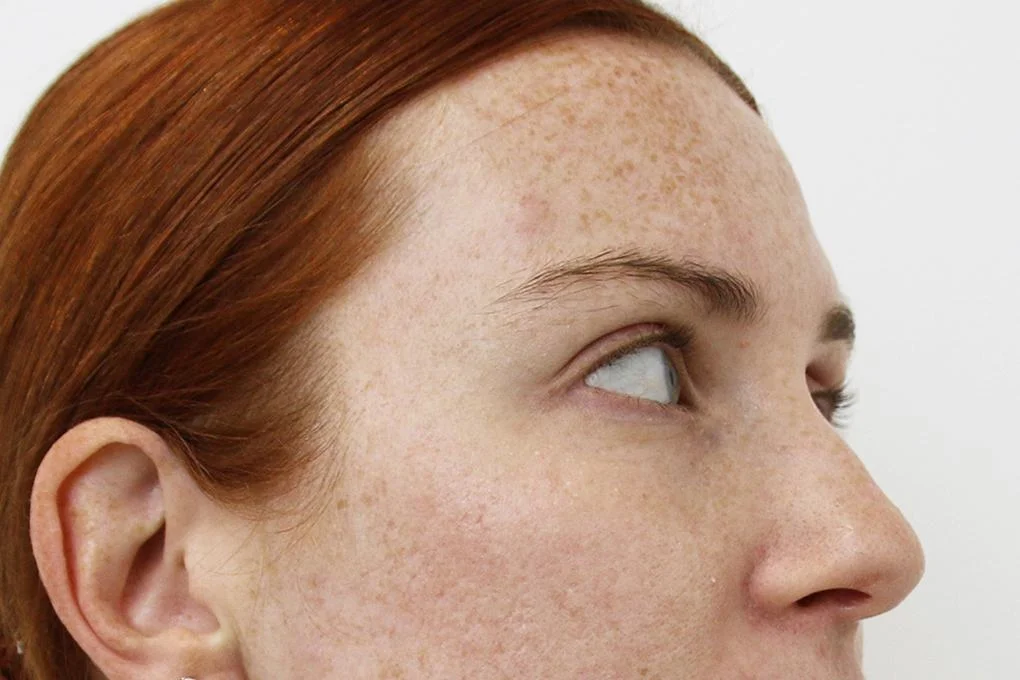
The major cause of photoaging is sun exposure. Sunlight generates dark spots, and decades of sun exposure can accelerate photoaging, especially on the face, the chest, the backs of the hands. Sunscreen can be tricky as some leave the face looking shiny, so find one that offers protection from the sun but leaves the skin the glowing finish you are looking for.
- Hormonal Changes
Hormonal changes, such as during pregnancy, menopause, or the use of birth control pills, can lead to the condition. In melasma, one or more larger brown or gray-brown patches appear, usually symmetrically, on the cheeks, forehead, or upper lip.
- Aging
The aging process leads to the slowing down of cell turnover, a build-up of dead skin cells on the surface and a reduction of collagen production, leading to dullness and textural irregularity. This is where what a select a CC cream for aging women does is especially useful for an aging woman: coverage with skin care.
- Inflammation and Skin Conditions
PIH may follow inflammation, e.g. acne, eczema, or rosacea, in which the irritated skin produces melanin in excess, leading to uneven skin tone after healing. The dark spot survives much longer than the eruption that caused it.
For those over forty, most have some combination of these, and that’s fine, it just means that the routine below has more than one job.
The Impact of Skin Tone Imbalances
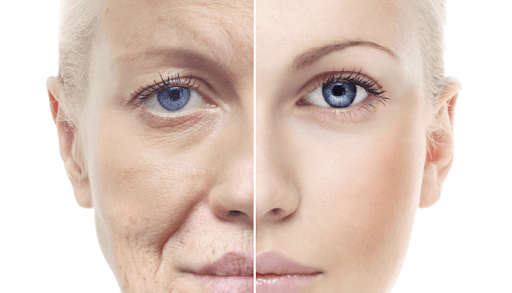
Uneven skin tone can significantly impact both appearance and self-esteem. Dark spots, redness and blotchiness might make the skin appear older, duller and less healthy. This unevenness can be particularly distressing because it often becomes more pronounced with age, contributing to an overall impression of aging skin.
Unbalanced skin tones might psychologically impact social interactions and self-esteem. Many people may be reluctant to participate in social events or be photographed because they are self-conscious about their appearance. This may feed a vicious cycle of social disengagement and low self-esteem.
- Moreover, skin tone imbalances can highlight other skin issues, such as fine lines, wrinkles and texture irregularities, which makes them more noticeable.
- This can make achieving a youthful, radiant complexion more challenging.
- From a practical perspective, managing uneven skin tone often requires a more comprehensive skincare routine and additional cosmetic products to achieve a uniform appearance.
- This can increase time and financial investment in skincare and makeup products.
- Addressing skin tone imbalances is not just about aesthetics.
- It’s about enhancing overall skin health and boosting confidence, contributing to a more positive self-image and quality of life.
Ways to Achieve an Even Skin
Implementing effective skincare routines, targeted treatments and lifestyle changes can significantly improve skin tone imbalances, creating a more even and radiant complexion.
1. Sun Protection
Everything starts with a broad-spectrum SPF 30 or higher sunscreen applied every single day, since sunscreen prevents the UV damage that leads to new hyperpigmentation. No whitening product can compete with the sunlit afternoon if you do not wear sunscreen.
Hats, sunglasses and protective clothing carry real weight too, especially since the sun runs strongest between 10 a.m. and 4 p.m.
2. Skincare Routine
It is a steady routine, a daily skincare that keeps tone even, generally divided into three parts, but that carries most of the weight:
- Cleansing. A gentle face cleanser is used twice a day to remove dirt, oil and dead cells. Avoid harsh soaps, however; they remove the skin oils, which paradoxically ends up drying the skin.
- Exfoliation. A chemical exfoliant, using AHAs or BHAs, once or twice a week helps clear out the buildup of dead cells that aging slows down.
- Moisturizing. Hydrated skin holds its barrier, and a healthy barrier is half the battle. Use one suitable for your skin type, and let it seal in the rest of your skincare routine.
3. Targeted Treatments
A vitamin C serum in the morning is the workhorse here: it brightens the whole complexion and, over time, fades dark spots. Plus it plays nice with sunscreen.
Next in complexity are retinoids. Retinol increases cell turnover and collagen production, improving pigmentation and texture in several months, but starting with a lower concentration can minimize irritation.
Hydroquinone is the heavy artillery, a skin-whitener that works by directly impacting melanin metabolism. Its real side effects are why this one isn’t something to take lightly, it’s something you discuss with a dermatologist first, especially with melasma, which can darken fast if treated the wrong way.
4. Incorporate CC Cream
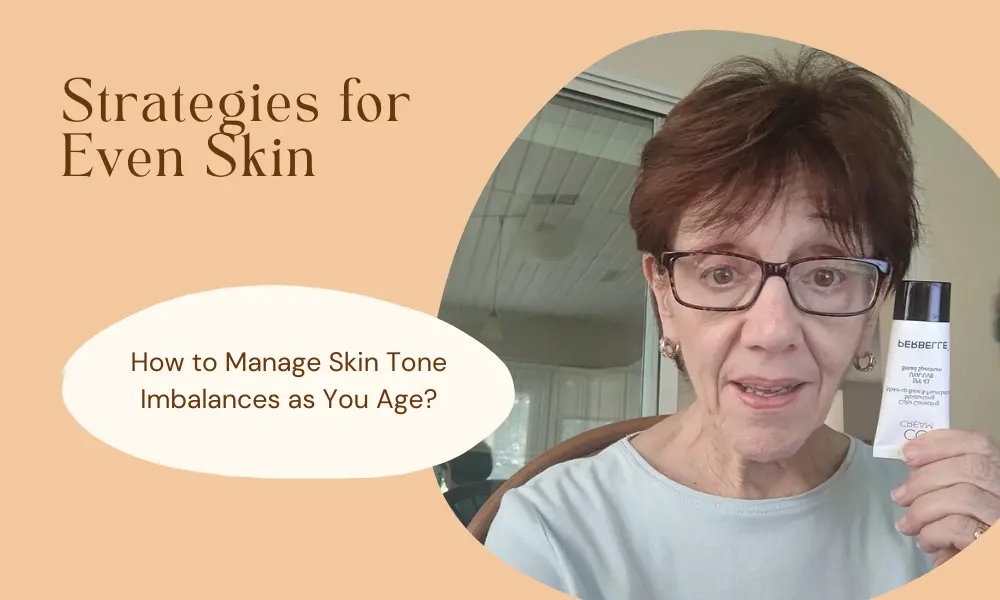
A CC Cream is the daily weekday workhorse, while the other treatments work on the long game. A CC Cream includes light coverage and treatment all in one product, with color-correcting pigments to counteract redness and dark spots, plus a little moisture and some sun protection for day-to-day use.
We want to make things that are lighter than foundation, more wearable, and that make the mirror look better today, not eight weeks.
5. Professional Treatment
For some, these bumps and dimples are too great for a basic at-home routine. Chemical peels, laser treatments, and microneedling can each target a different issue, but the most capable providers will find the right combination for your needs.
The advice is especially important for the wrong treatment on the wrong pigment problem, such as melasma with the wrong laser, as it can potentially leave skin worse than it started.
But as with exercise, when you get some progress, even if it’s not all the way, the mirror and the camera will show it. And that’s worth it.