

How to Pick Hair Laifen Dryer That Won’t Wreck Your Hair
Most people buy a hair dryer on price and looks, then spend the next year wondering why their hair keeps getting frizzier and drier.
Here’s the thing though. The drying was never the problem. The heat was.
Once you get that one idea, picking a dryer becomes simple, because everything that separates a good one from a cheap one comes down to how it manages heat, and everything that separates good blow-drying from damaging blow-drying comes down to how you use it. So let’s do both.
Heat is the actual enemy, not drying
Wet hair is fragile, sure. But what really cooks hair over time is holding high heat close to it, day after day, because too much heat dries out the strand past the point of just removing water, and that’s where the frizz, the dullness, and the snapping come from.
So the goal isn’t avoiding the dryer. It’s getting hair dry with the least heat you can get away with.
That’s the lens for everything below. Not “which one’s most powerful.” Which one dries fast without frying.
What actually matters in the machine
The wall of blow dryers out there all promise roughly the same things, so here’s what’s actually worth paying attention to:
- Airflow over raw heat. Fast air dries hair. Extreme heat damages it. A dryer that moves a lot of air at a moderate temperature beats one that just runs hot.
- Real heat settings, and a cool shot. Multiple heat levels means you can go lower on fragile days, and the cool button at the end sets the style and closes the hair down smooth.
- Ionic tech. It cuts static and frizz, and it’s genuinely useful rather than a gimmick, especially on frizz-prone hair.
- Weight and noise. Sounds trivial until you’re holding the thing over your head for eight minutes every morning. Light and quiet gets used. Heavy and screaming gets skipped.
The high-speed dryers, and whether they’re worth it
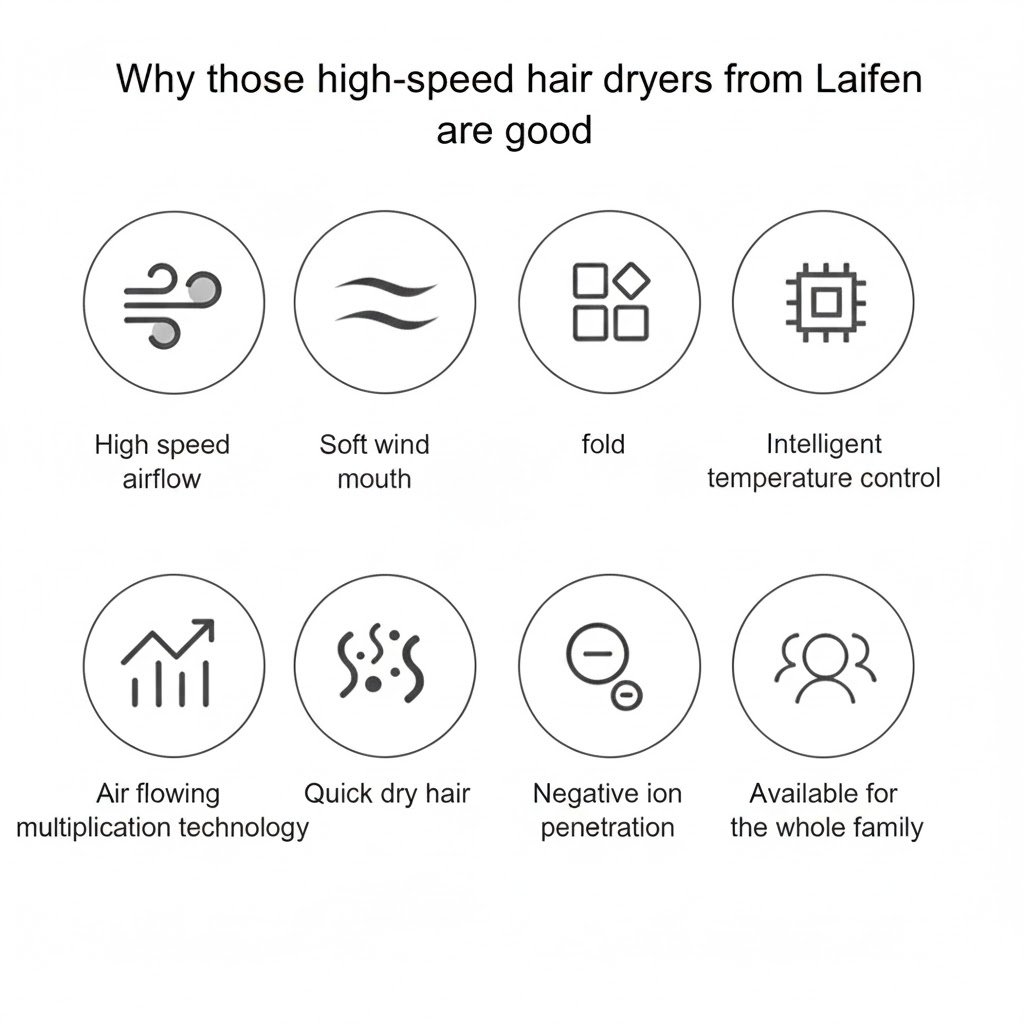
The newer generation of high-speed dryers works on exactly the right principle, which is why they’ve taken off. Instead of blasting more heat, they push much faster air at lower temperatures, so hair dries quicker while taking less punishment, and models like the Dyson Supersonic or the Laifen SE are built entirely around that idea, with the Laifen sitting at a much friendlier price than the Dyson.
Are they essential? No. A decent regular dryer used well still does the job. But if you dry your hair most days, faster drying at lower heat is the single upgrade that actually pays you back in hair condition, so it’s the one category worth spending on if you’re going to spend anywhere.
Match the dryer to your actual hair
This is the step everyone skips, and it’s why the same dryer gets five stars from one person and one star from another.
Fine or thinning hair wants low heat and a light machine, because max heat just overwhelms fine strands and you’ll feel it as breakage within weeks. Thick or coarse hair is the opposite problem, it needs real airflow and power, since a weak dryer just means you hold the heat on longer, which defeats the whole point. Curly hair is its own thing entirely, medium heat and always through a diffuser, because direct blasting rips the curl pattern apart. And color-treated hair fades faster with heat, so lowest effective temperature, every time.
If your hair is fine or damaged, all of this matters double, because fragile hair takes heat damage faster and shows it sooner, so lower temperature and a bit more patience beats high heat every single time.
The attachments people throw in a drawer
The nozzles that come in the box aren’t padding, they’re half the tool.
The concentrator, that flat narrow one, focuses the air into a blade, which is what you want for smoothing sections and for precise styling around the front where it shows most. The diffuser, the big bowl with fingers, spreads the air soft and wide, and it’s the only way to dry curls without blowing the pattern apart.
Using the right one changes the result more than upgrading the dryer does. Genuinely.
Technique beats the tool anyway
One honest truth to end on, because the best dryer in the world can’t save bad habits.
Keep it moving, never parked on one spot. Hold it a few inches off the hair, not pressed against it. Rough-dry the excess water on low before you style, since hair that’s 70% dry needs way less heat to finish. And a heat protectant first isn’t optional if you’re doing this daily, it’s the seatbelt.
Do that with any decent dryer and your hair comes out better than expensive gear used carelessly. Get both right, the tool and the technique, and blow-drying stops being the thing quietly wrecking your hair and starts being the thing that makes it look finished.