
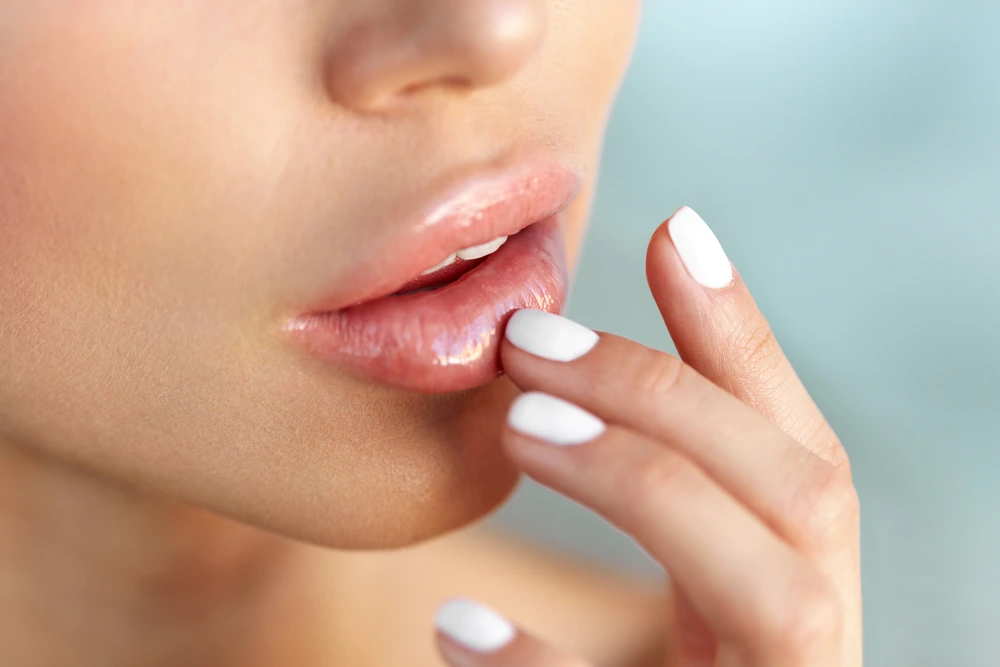
Lips have no oil glands. The skin there is thinner than anywhere else on your face, which is why they dry out faster than your cheeks ever will and why whatever you put lip balm on them goes straight to sensitive tissue.
That’s the whole case for tinted balm over lipstick, and it’s a better case than “it looks natural.”
What It’s Actually Doing Up There
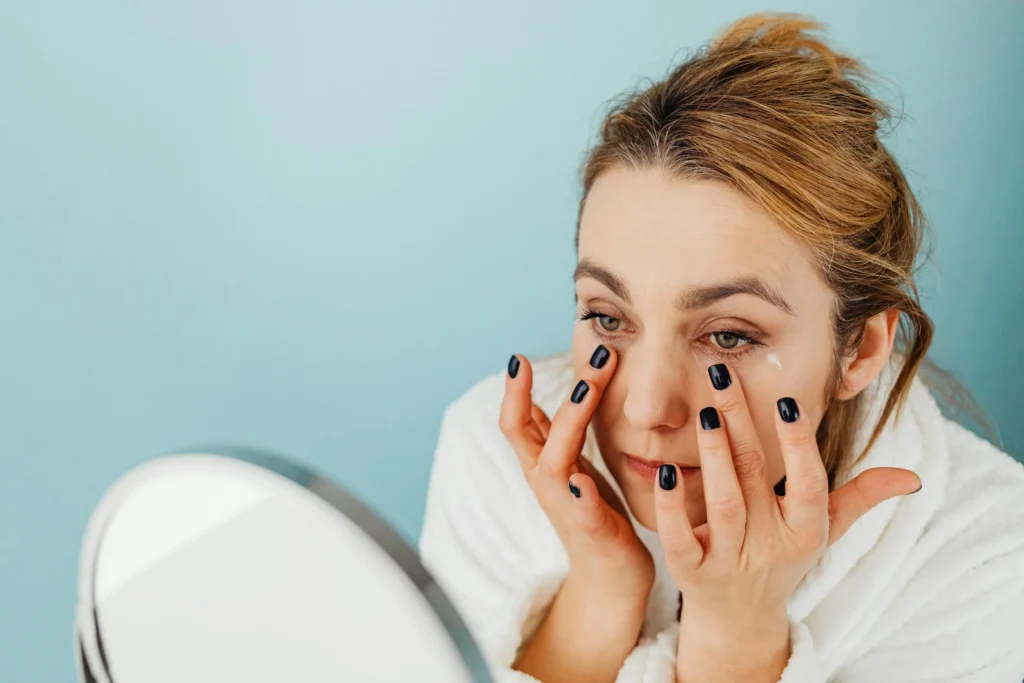
Two kinds of ingredient do the work, and a good balm has both.
- Humectants pull moisture into the skin. Hyaluronic acid and glycerin are the ones you’ll see on labels.
- Emollients and occlusives keep it there. Petrolatum, shea butter, squalane, ceramides, dimethicone, castor seed oil.
Dr. Scott Walter, a board-certified dermatologist, describes those two categories as what an ideal balm should contain, and the reason is straightforward. A balm with humectants and nothing sealing them under will draw water up toward the surface and let it evaporate, which is part of why some products leave you reapplying every hour.
Then there’s the color, sheer enough to blend with your own lip tone instead of sitting on top of it. Lipstick covers. Tint adjusts.
This beauty essential helps you land somewhere polished without the upkeep a full lip demands.
The Ingredients That Undo the Whole Point
Here’s the part that gets left out of every article about tinted balm.
That cooling tingle you associate with a healing balm comes from menthol, camphor or eucalyptus, and all three strip moisture while they’re doing it. Dr. Walter’s point about menthol specifically is that it feels good, soothes the irritation for a moment, then evaporates and leaves you drier than before.
The American Academy of Dermatology lists these as ingredients to avoid on chapped lips:
- Menthol, camphor, eucalyptus, phenol
- Salicylic acid
- Fragrance and flavoring, especially cinnamon, citrus, mint and peppermint
- Lanolin, in anyone who reacts to it
- Octinoxate and oxybenzone
What follows is a loop. The tingle reads as relief, so you reapply, and each application removes a bit more of the protective lipid layer. Dr. Jenna Queller, a board-certified dermatologist, puts it as repeated use disrupting the skin barrier and perpetuating the cycle of dryness. People stuck applying balm hourly are often stuck because of what’s in the balm.
The AAD is blunt about the sensation itself. Burning or stinging isn’t the active ingredients working, it’s irritation, and it’s a signal to stop using that product.
Which brings me to the thing I’d actually change first. Flavored tinted balms are the category worth being suspicious of, because flavor is one of the AAD’s listed irritants and it’s the selling point of half the shelf. A tinted balm that tastes like cherry is a tinted balm with a problem in it.
Reading a Label in Ten Seconds
Turn the tube over.
Does it have both a humectant and an occlusive? Does it contain anything off the AAD’s list? Does it say fragrance-free rather than unscented, since unscented can mean masking fragrance was added on top?
Short ingredient lists tend to be safer than long ones. And price tracks packaging far more than it tracks formulation, which is why a nine dollar tube can outperform a thirty dollar one on the only measure that counts.
Where the Color Actually Helps

A well-chosen shade brightens your complexion and softens your features, and a slightly deeper tone than your natural lip makes lips read fuller without any liner involved.
Some tinted balms double as cheek color, which is the fastest way to tie a face together when you’re doing nothing else. Same product, two places, and the match comes out automatically.
On shade, the rule that holds up is one or two steps deeper than your own lip color. Much beyond that and you’ve bought a sheer lipstick, which is a different product with different maintenance and a line you now have to keep tidy.
If you like browsing before committing, there’s real range in the tinted lip balm category now, well past the three shades that used to exist.
SPF Is the Part People Skip
Daytime balm should carry SPF 30 or higher, and this is less about cosmetics than it sounds. Lips burn, and sun protection there reduces lip cancer risk, which is not something most people connect to a product they think of as makeup.
Mineral filters suit sensitive lips better, so zinc oxide or titanium dioxide over the chemical alternatives. Octinoxate and oxybenzone are on the AAD’s irritant list anyway, which settles it.
At night you can drop the SPF entirely and switch to a plain occlusive balm, since filters do nothing for you in the dark and the repair happens overnight. That matters more if you breathe through your mouth while you sleep or your bedroom runs dry in winter.
It’s the kind of product that works with your natural beauty instead of covering it up, provided what’s inside the tube does what the label suggests.