

Collagen keeps skin firm. Face sculpting and skincare products are effective methods to increase collagen levels. Production starts declining in your mid-twenties and keeps going, which is why skin loses structure over time rather than all at once.
Two approaches help. Topical ingredients that signal your skin to produce more, and sculpting techniques that move blood and lymph. Tools like the Liftlab face sculptor combine both.
One thing worth knowing before you spend anything:
- Concentration decides whether a product does anything at all.
- Retinol shows measurable collagen change at 0.1% and above.
- Plenty of products contain it at 0.01%, a tenth of that, and those produce no structural result no matter how long you use them.
Understanding Collagen and Its Role in Skin Health

The Basics of Collagen and Decline with Age
Collagen is a structural protein, and it makes up the framework holding skin firm. It also does repair work, rebuilding damaged tissue.
Your body produces it naturally, and diet supports that. Vitamin C is a required cofactor, meaning collagen literally cannot form properly without it, which is why citrus, peppers, and strawberries matter more than they sound like they should.
Skincare products with hydrolyzed collagen can help moisturize the surface, and that’s the honest limit of what they do. Collagen molecules are too large to pass the skin barrier, so applying collagen doesn’t add collagen to your dermis. It sits on top and holds water, which is useful but different.
Production drops from the mid-twenties onward. Sagging and fine lines follow.
- Sun exposure accelerates the loss more than anything else you control.
- Smoking does the same.
- High-sugar diets damage collagen through glycation.
- Peptides in skincare can signal your skin to produce more.
The decline is normal. The rate isn’t fixed.
Improving Collagen through Face Sculpting and Skincare
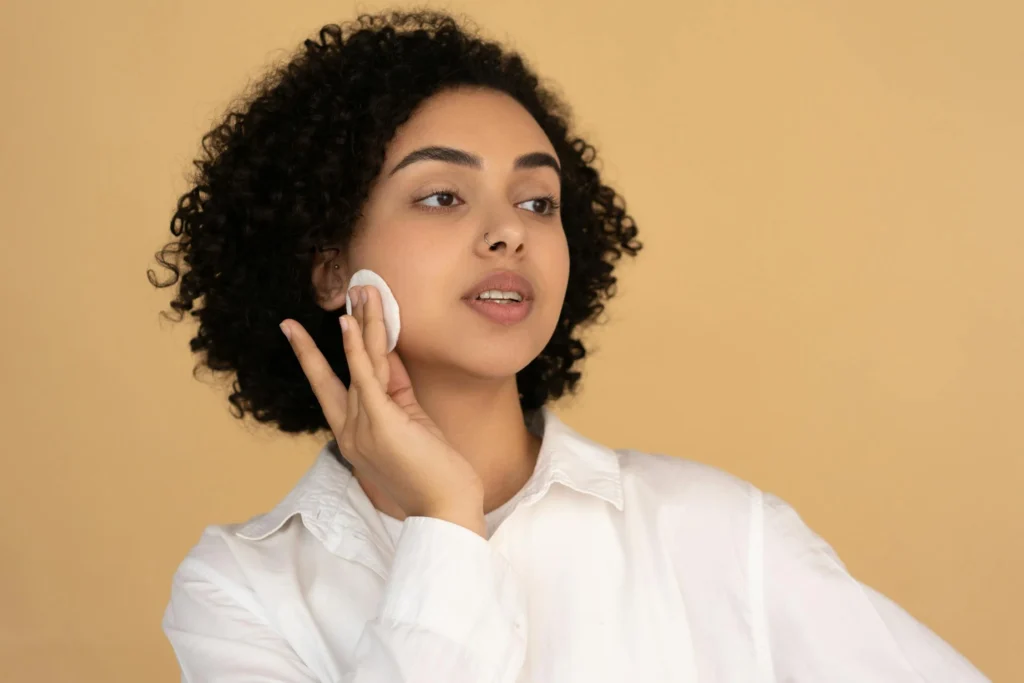
Face Sculpting Techniques for Collagen Stimulation
Facial massage moves blood and lymphatic fluid, which brings oxygen and nutrients to the tissue where collagen gets built.
Fingertips work. So do rollers and gua sha stones. Five minutes daily is the general recommendation, focusing on the jawline and cheekbones with upward strokes.
Be realistic about what this does. Massage improves circulation and reduces puffiness, and the immediate lifted look is real but temporary. The collagen benefit is supporting the environment your skin builds in, not directly stimulating production the way a retinoid does.
Topical Skincare Products to Boost Collagen
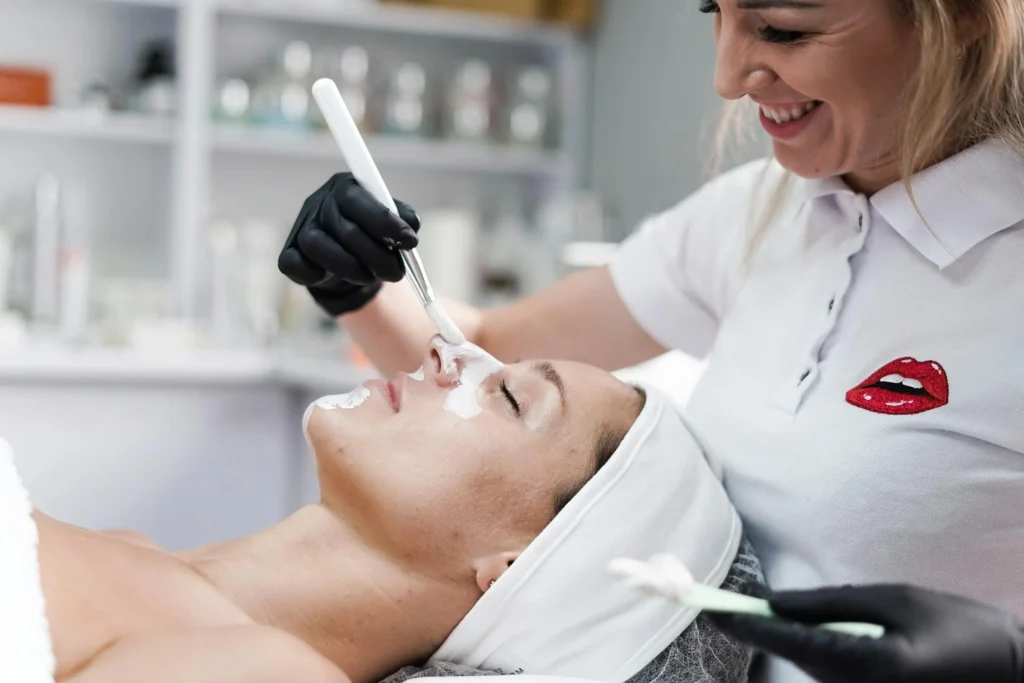
Using skincare products with the right actives is where most of the actual collagen change happens. Three ingredient families have real evidence.
1. Retinoids. The best-studied option by a distance. Tretinoin, prescription-only, has trials showing increased procollagen I production and new collagen fibers at the dermis-epidermis junction across 12 to 52 weeks. Over-the-counter retinol works too, converted to retinoic acid in your skin, with documented changes at 0.1% and above over 12 to 24 weeks. Check the percentage on the label.
2. Vitamin C. Only L-ascorbic acid has the evidence, and formulation decides everything. It needs 10 to 20% concentration and a pH below 3.5 to work, and it degrades fast in air, heat, and light. Derivative forms are more stable but weaker.
3. Peptides. Short amino acid chains that signal collagen production. Copper tripeptide-1 shows fibroblast stimulation affecting collagen I, collagen III, and elastin. Palmitoyl pentapeptide-4, sold as Matrixyl, showed a 68% reduction in wrinkle depth in one split-face trial at 12 weeks.
4. Vitamin C in the morning, retinoid at night. That split avoids the pH conflict and limits irritation, and vitamin C is the cofactor for the collagen your retinoid is signaling.
On timelines: surface texture improves within weeks. Actual dermal remodeling takes three to six months, because new collagen has to be synthesized, deposited, and cross-linked before it does anything structural. Most people quit before that.
Lifestyle Factors That Support Collagen Production
Sunscreen does more for collagen preservation than any active does for collagen production. UV breaks down existing collagen faster than you can rebuild it.
Vitamin C from food supports synthesis systemically, working differently from topical vitamin C rather than replacing it. Dietary protein supplies the amino acids collagen is built from, glycine and proline mainly.
Smoking and high-sugar diets both accelerate breakdown. Exercise improves circulation, which delivers what your skin needs to build with.
Getting Results From Any of This
Face sculpting and skincare can work together to support collagen in the skin, with massage improving circulation and actives doing the structural work.
Check your concentrations first. A 0.01% retinol and a vitamin C serum that’s oxidized to orange are both doing nothing, regardless of price or how long you use them.
Then commit to three months minimum. That’s how long collagen takes to build, and it’s the reason most people achieve a healthier complexion only after they stop switching products every few weeks.