
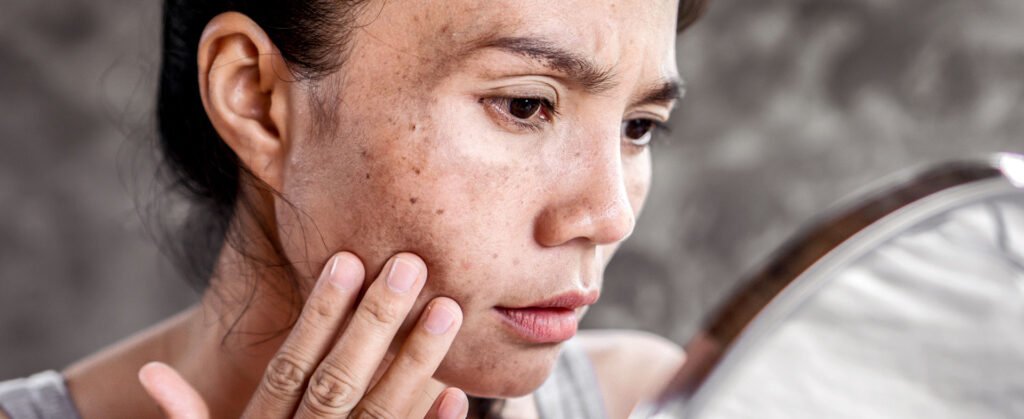
Hyperpigmentation can feel confusing when you first notice it. You may see dark spots, uneven areas, or patches that show up slowly over time. These marks can make your skin look different and sometimes they make you feel worried. The good thing is that hyperpigmentation is very common and it can be treated gently. When you understand what causes hyperpigmentation, everything becomes much easier to manage.
What is hyperpigmentation?
Hyperpigmentation is a common condition that makes some areas of the skin darker than others. “Hyper” means more, and “pigment” means color. Hyperpigmentation can appear as brown, black, gray, red or pink spots or patches. The spots are sometimes called age spots, sun spots or liver spots.
Why Hyperpigmentation Happens In The First Place
Hyperpigmentation forms when the skin makes more pigment in one area than the rest. Your skin produces a pigment called melanin and sometimes it makes too much of it. This extra pigment shows up as a darker patch on your face or body. It can appear slowly or suddenly depending on your skin. Almost everyone deals with it at some point.
Sun Exposure Is A Big Cause
Too much time in the sun is one of the biggest answers to what causes hyperpigmentation. When your skin meets sunlight, it tries to protect itself. It makes more melanin to shield your skin from damage. Over time these areas become darker and turn into sun spots or age spots. Even a few minutes outside without protection can make it worse.
Hormones Can Play A Strong Role
- Hormonal changes can also lead to hyperpigmentation.
- Many people notice dark patches during pregnancy or after starting certain medications.
- These patches often appear on the forehead, cheeks, or upper lip.
- The skin reacts to hormone shifts by making more melanin.
- It can take a long time for these marks to fade.
Inflammation Can Leave Dark Marks Behind
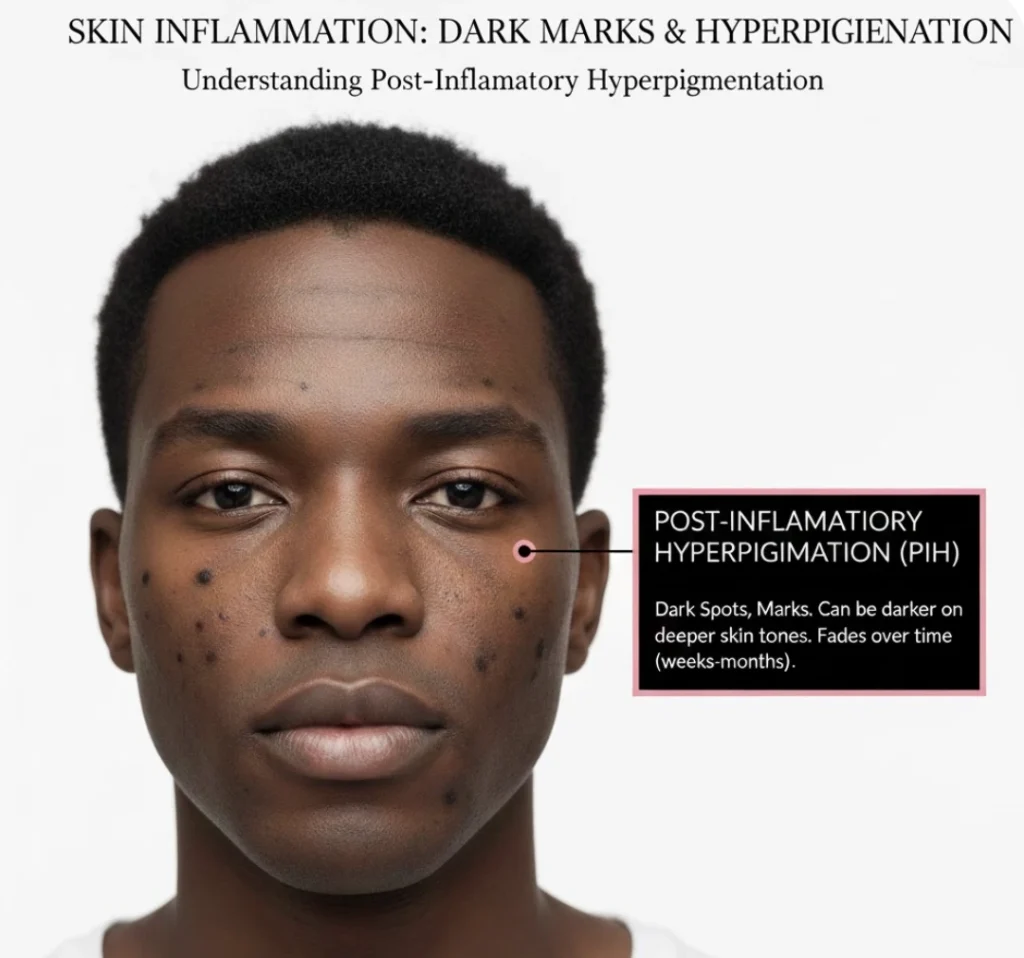
Another big cause of dark spots is inflammation. When your skin breaks out or gets irritated, it can leave a mark after it heals. This is called post-inflammatory hyperpigmentation. Even small pimples can leave a spot on the skin. These marks can look darker on deeper skin tones and sometimes they take longer to fade.
Scratching And Picking Make It Worse
Many people do not realise how much picking at the skin affects it. Touching pimples or scratching irritations adds more inflammation. This makes the area darker than before. The more you pick, the longer the spot stays. Gentle care helps the skin heal faster.
Skin Injuries Can Leave Uneven Tone
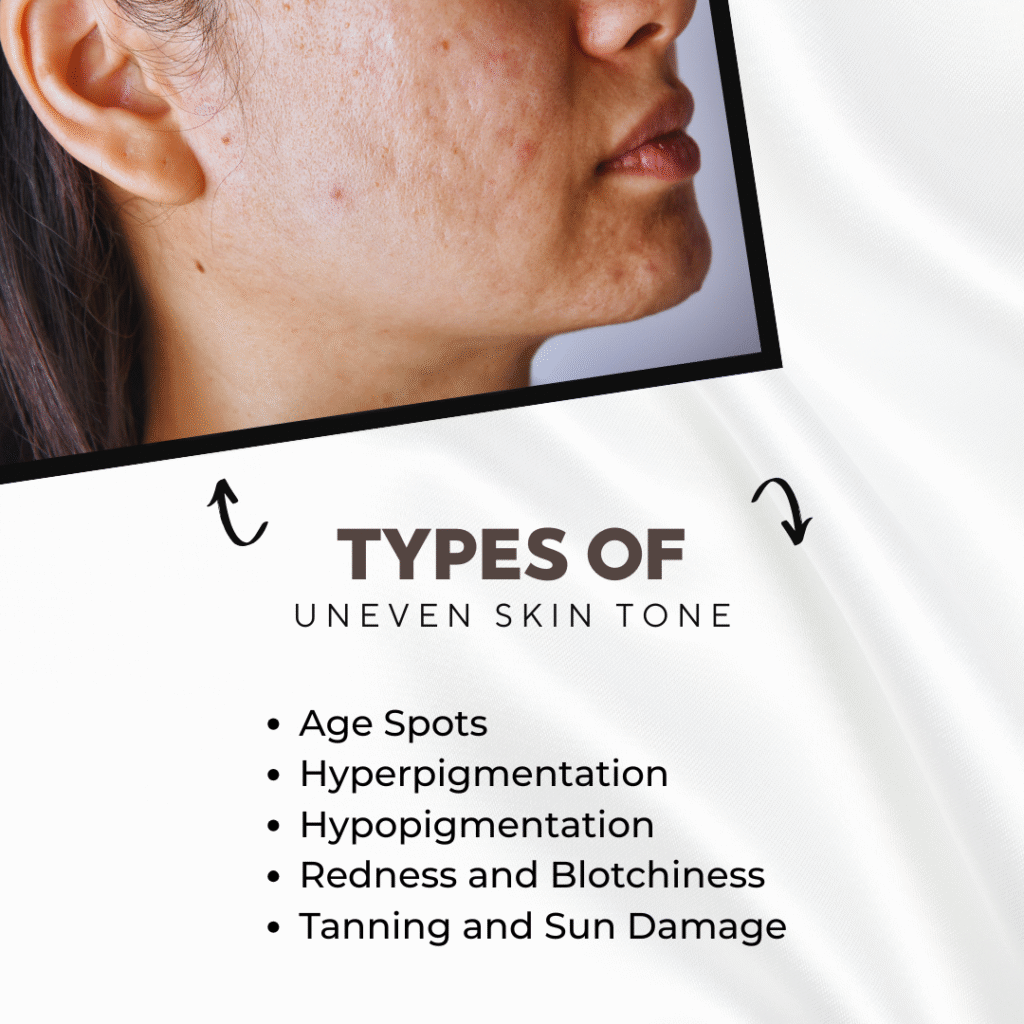
Small cuts, burns, or wounds can cause hyperpigmentation once they heal. Even tight clothing or friction from masks can lead to dark patches. The skin becomes irritated and makes extra pigment in that spot. This is more common on sensitive skin. Treating the area gently helps stop more darkening.
Why A Serum Helps With These Spots
A hyperpigmentation serum for face can help fade these dark areas slowly. Serums enter the deeper layers of the skin because they are light and thin. They carry ingredients that target the dark spots directly. When used regularly, they help even out your skin tone. They make the skin look brighter and more balanced.
Serums Work Because They Reach Deeper
The reason serums help is because they go deeper than creams. The skin absorbs them fast which helps them work on the pigment inside the skin. A hyperpigmentation serum for face helps stop new spots from forming and helps old spots fade. It supports the skin without feeling heavy. The results come slowly but they are gentle and steady.
Ingredients In Serums Help Restore Balance
Many serums use ingredients that help calm the pigment process. Some soften the inflamed areas and help the skin stay even. Some focus on brightening the skin in a gentle way. They do not bleach the skin. They simply help your natural tone look healthier.
Consistency Is The Secret To Clearer Skin
- Serums work best when you use them every day.
- Hyperpigmentation does not fade overnight.
- The skin needs time to rebuild itself.
- With steady use your skin slowly evens out.
- Small changes happen first and larger changes come with patience.
Sun Protection Makes A Big Difference
Even the best hyperpigmentation serum for face cannot work well without sun protection. The sun makes dark spots darker. Using sunscreen every day stops new spots from forming and helps serums do their job better. Even staying near a window exposes your skin to sunlight. A simple sunscreen step keeps your skin safe.
Gentle Care Makes Healing Faster
- Your skin loves gentle care.
- Harsh scrubs and strong products can irritate it and cause more dark spots.
- Soft cleansing and calm routines help the skin bounce back.
- When you treat your skin kindly, hyperpigmentation fades faster.
- Your skin shows progress when you let it relax.
Diagnosis and Tests
How is hyperpigmentation diagnosed?
To diagnose hyperpigmentation, a healthcare provider may:
Take a small sample of the skin for a biopsy, which tests for any abnormal skin cells.
Ask you about your medical history, including when the darkened skin started and what medications you’re taking. Do a physical exam to look at your skin.
Examine your skin under a special ultraviolet light, called a Wood lamp. Order blood tests to check vitamins, hormones and iron, as well as thyroid function.
Hyperpigmentation Is Normal And Treatable
It is important to remember that hyperpigmentation is normal. Many people deal with it and you are not alone. It does not mean your skin is damaged forever. With the right care, dark spots fade over time. A gentle hyperpigmentation serum for face can help you reach a more even tone without stress.
Final Thoughts On Dark Spots
Understanding what causes hyperpigmentation helps you take better care of your skin. Knowing this makes the process feel less scary. Your skin can change and heal when you support it with simple steps. Gentle products and daily patience help the tone even out. With time your skin feels brighter, calmer, and more comfortable.