
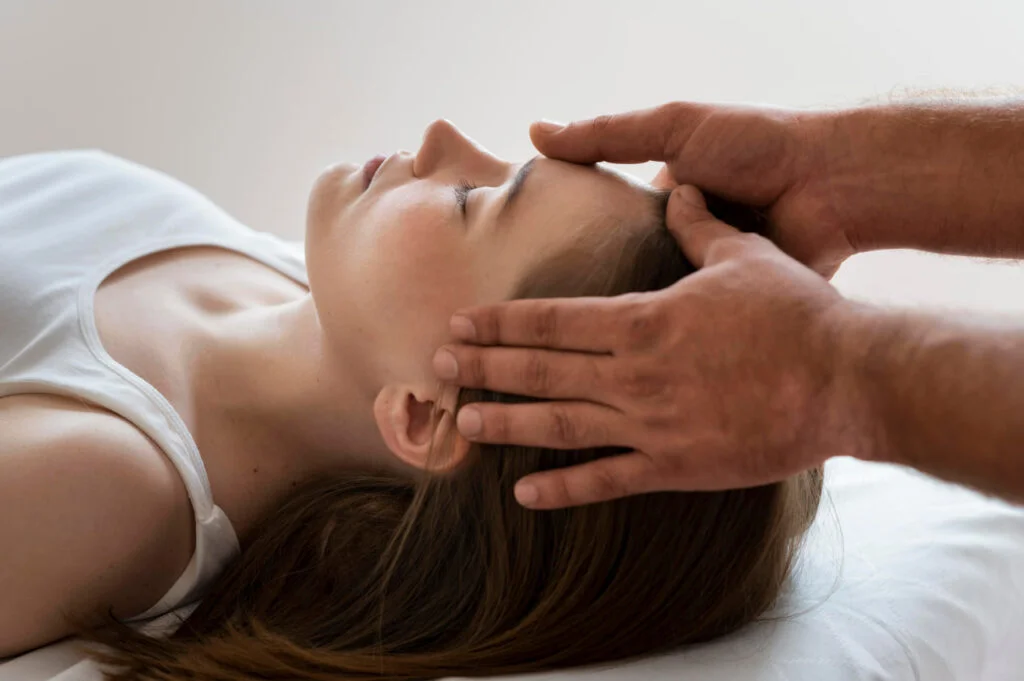
Debilitating and throbbing, migraines are among the worst types of headaches you can experience. They can last several hours or days, often pushing you to take desperate measures just to calm the storm. Fortunately, various self-care practices can help you cope with migraines.
Can Self-Care Help with Migraines?
The short answer is yes, but it shouldn’t replace pharmaceutical treatments. Doctors now offer more options than ever for treating migraines. Ibuprofen, a nonsteroidal anti-inflammatory drug (NSAID), and eletriptan, a type of triptan, are both effective at relieving pain from migraines.
Numerous procedures are also available. Neuromodulation therapy, for example, is a noninvasive procedure to reduce the frequency of migraines and make them less painful. You may even consider Botox injections, which are FDA-approved for adults aged 18 and older to prevent migraines.
That said, self-care can offer additional support when a migraine is coming on or already happening. Many practices are backed by scientific evidence, so consider them when medication or treatment is not an option.
The 5 Pampering Practices to Help You Handle Migraines
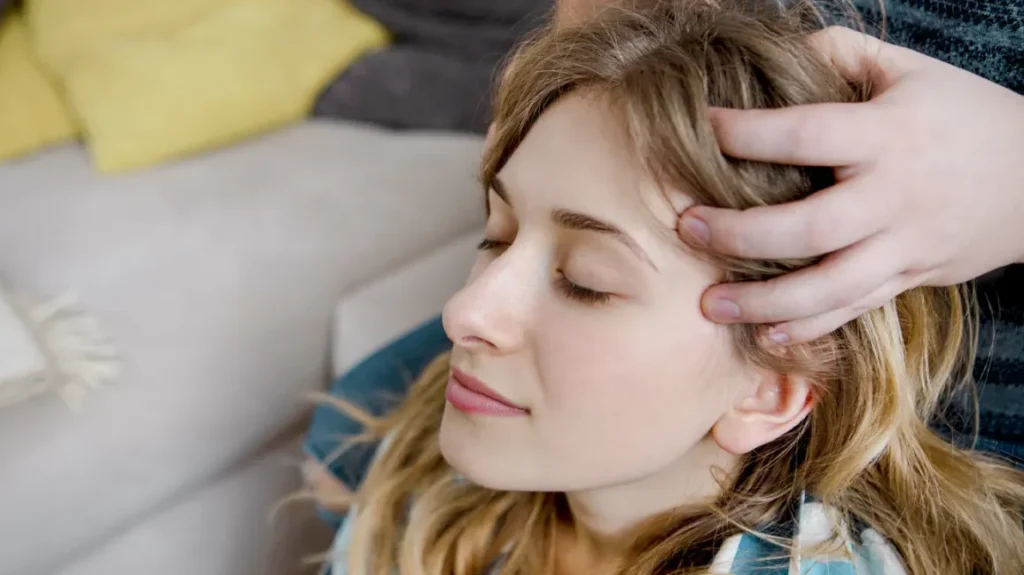
If you’re one of the estimated 14% to 15% of people living with migraines, you may benefit from the following five self-care practices to help prevent or manage migraine headaches when they strike.
1. Find a Calm Room
Whenever you feel a migraine coming on, take a break and find a quiet and dark room. Bright or flickering lights, noise and strong odors are among the most common triggers of migraines. They can intensify an attack once it has started.
Since sunlight and artificial lighting can be equally uncomfortable, try to find a room where you can pull down the shades and be away from any noise. Doing so may ease discomfort and speed up your recovery.
If the temperature is high, stay cool by turning on a fan or an air conditioning unit, as heat is a well-known trigger for migraines. A study found that for every 10° Fahrenheit rise in outdoor temperature, there was a 6% increase in headache occurrence. However, avoid sudden or extreme temperature changes, such as freezing air conditioning, which may worsen symptoms.
2. Try a Cold Compress
A cold compress is a classic self-care practice for migraine sufferers, and research supports its use for short-term relief. The cold can help numb pain, reduce inflammation and decrease blood flow to the affected area. A 2022 review of studies found that cold interventions, such as cold gel headbands, can provide immediate relief from migraine pain but only temporarily.
Using a cold compress is a practical and low-cost self-care practice, since you can simply use ice packs or ice cubes wrapped in a cloth and place them on your forehead.
3. Take an Epsom Salts Bath
Many people who struggle with migraines add Epsom salts to a warm bath to help relax during an attack. This chemical compound contains magnesium and sulfate, and it’s thought to ease migraines by relaxing the muscles around your skull.
- Although scientific evidence supporting this is limited, it may still be worthwhile to try.
- A warm bath on its own can be deeply relaxing,
- Ssense of calm can make migraines feel more manageable when symptoms are at their peak.
4. Get a Good Night’s Sleep
Both too little and too much sleep can trigger migraines, so improving your sleep quality is essential to managing migraine. Aim to go to bed and wake up at the same time, and try to get a sufficient amount of sleep. Healthy adults generally need around seven to nine hours of sleep.
If you find it hard to sleep at night, establish a routine. For example, try listening to calming music or reading a book to help you relax.
5. Practice Yoga
When a migraine strikes, gentle exercises like yoga can be a great way to manage the pain. Although further research is needed, existing studies suggest that yoga may reduce the frequency of attacks, their duration and their pain intensity.
Moreover, slow, mindful movements may help ease stress and muscle tension, both of which are common migraine triggers.
Combine Self-Care Practices with Professional Treatment
These five self-care practices can help alleviate a migraine and may even help prevent future attacks. However, since migraines affect people in different ways, a method that works for someone else may not work for you. These practices are meant to complement, not replace, medical advice and treatment from your doctor.