
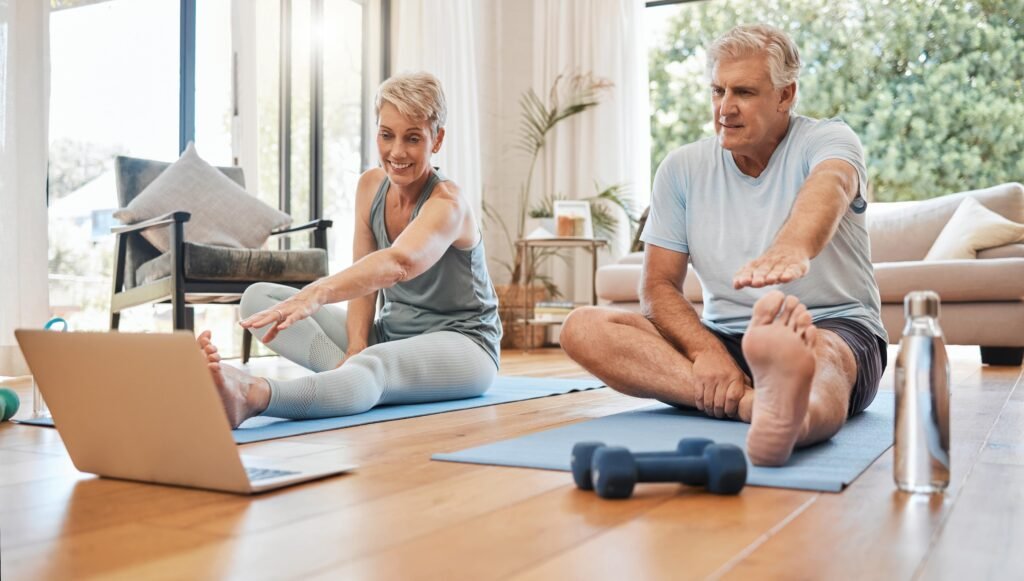
Aging creeps up on you. It is not like you wake up one day and your body clock tells you you’re now of an age where you are old and x,y,z symptoms and bodily changes will start with no warning.
Aging is more like a little niggle here, a change there, a slowing down over time, and a realization that you’re not as young as you used to be. There’s no switch; it’s a gradual decline that starts at different items for different people.
It’s not a weakness; it’s a shifting of pace, meaning you don’t need to accept it. You can put habits in place before those first few signs become obvious to help you retain health and wellness through your 50s and beyond.
Moving Still Matters

Forget fitness culture when you’re getting older, because it’s about mobility. Walking to the end of the street counts, as does gardening. Putting away washing, bending up and down all the movements you need in your life, and the pens that will support you.
According to the CDC, only around 30% of adults over 65 meet weekly movement goals. This means too many people are sedentary.
What does this mean for you as you get older? It means walking as much as you can, doing squats to help you with bending down, rolling shoulders back, incorporating mobility exercises here and there to keep joints and muscles flexible and moving properly.
Food That Nourishes You
As you get older appetites change and shrink. And this is where eating for nourishment is essential, you need to still be eating as many nutritious foods as you can to support your body.
- It doesnt need to be gourmet but it does need to be colorful.
- The more color on your plate the more nutrients you get and the better the balance.
- Soft proteins help too. salmon, beans yoghurt, and a drizzle of olive oil helps add healthy fats to keep joints supple.
And don’t forget water. Always stay hydrated – according to the National Council on Aging dehydration can lead to confusion, fatigue and dizziness in older adults.
Skin and Hair That Is Still Vibrant
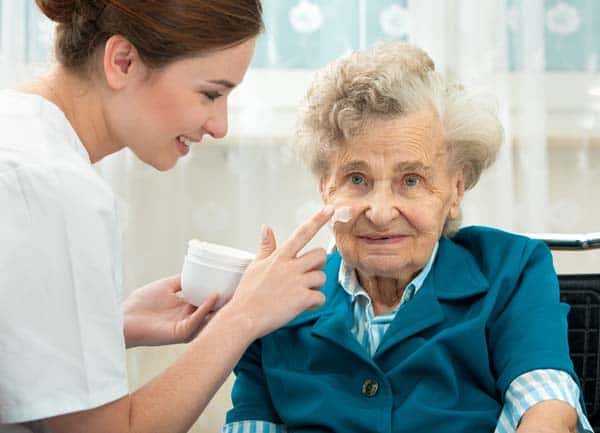
Your skin changes in texture when you get older than normal. Avoid the harsh cleansers and heavy scrubs, and pat your skin dry; don’t rub it. Moisturize when the skin is wet to lock in moisture.
Keep makeup soft and light, a hydrating base works wonders. With your hair, think less heat, more moisture, condition longer, rinse cooler and trim ends before they split.
Oh, and wear sunscreen every day.
Incorporate Safety
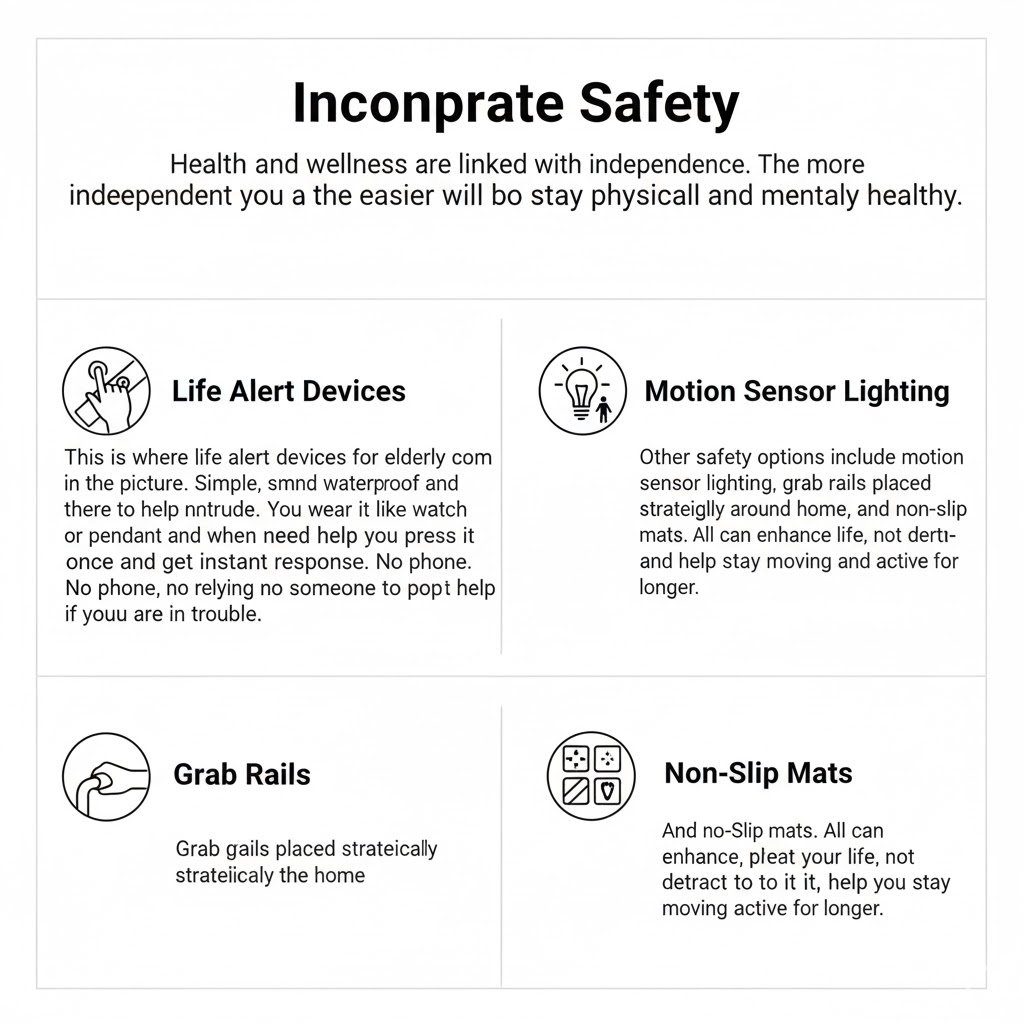
Health and wellness are linked with independence. The more independent you are, the easier it will be to stay physically and mentally healthy.
This is where life alert devices for elderly come into the picture. Simple, small and waterproof and there to help not intrude. You wear it like a watch or pendant and when you need help you press it once and get an instant response. No phone, no apps, no relying on someone to pop by to help if you are in trouble.
Other safety options include motion sensor lighting, grab rails placed strategically around the home, and non-slip mats. All can enhance your life, not detract from it, and help you stay moving and active for longer.
Promote physical activity
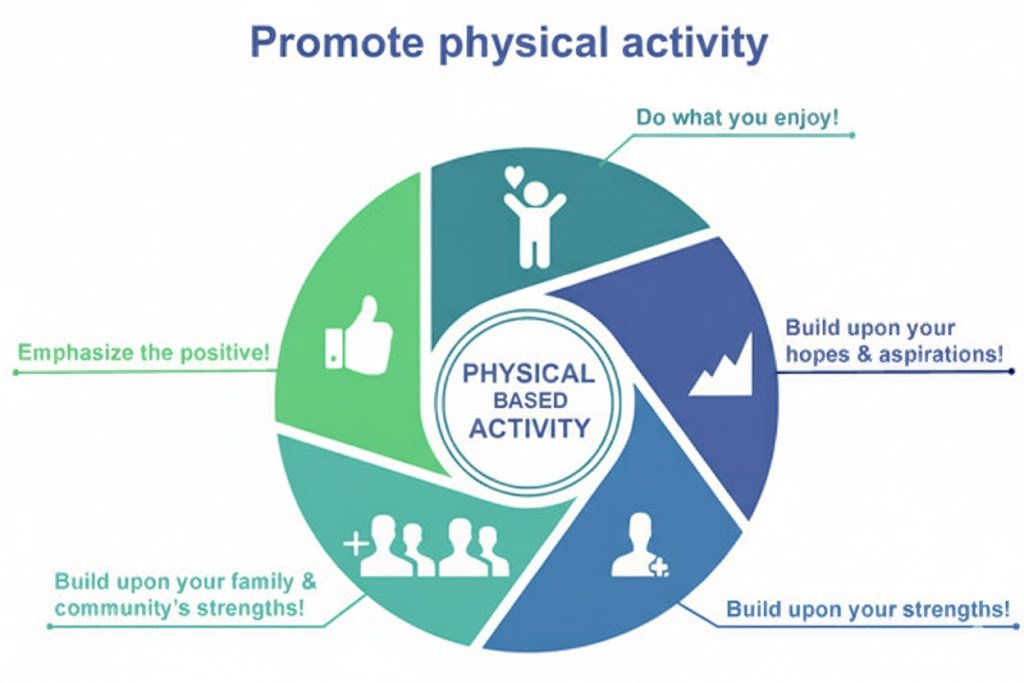
There are lots of reasons to make physical activity a part of daily life. Exercise can help reduce levels of stress and anxiety, improve balance and lower risk of falls, enhance sleep, and decrease feelings of depression.
- Help your loved ones aim for a mix of activities, including aerobics, strength training, balance, and flexibility. This could include walking around the neighborhood, lifting weights, gardening, or stretching.
- Discuss how much activity is recommended and brainstorm ways to work it into their daily lives. Experts recommend at least 150 minutes per week of moderate-intensity aerobic exercise, and muscle-strengthening activities at least two days each week.
- Help them shop for appropriate clothing and equipment for their exercise activities. Remember, many activities don’t require expensive equipment.
- For example: they can use filled water bottles as weights for strength training or walk outside or at a mall rather than on a treadmill.
- Share your favorite activities that get you moving. Are there any you could do together? If so, that’s a bonus because you’re not only helping promote physical activity but also helping to prevent loneliness and social isolation.
Encouraging the older adults in your life to exercise may not be easy. it can be difficult to get someone to start a new activity but the rewards are worth the effort.
Schedule regular check-ups with a consultants
It’s important for your older loved ones to have regular health exams and medical screenings. Visit any consultants to learn about health screenings for women and men. Checking in with doctors annually, and possibly more often, depending on overall health, may help reduce risk factors for disease such as high blood pressure and cholesterol levels. Regular check-ups can also help catch concerns early and improve the chances for effective treatment.
Some people visit their doctors routinely, while others avoid these types of appointments at all costs. Here are some ways to support your family members’ visits with health care providers:
- Encourage them to reach out to their doctor immediately if they’re experiencing pain or any new symptoms.
- Ask about their upcoming visits to doctors, including any specialists. Do they have the appropriate appointments scheduled and marked on a calendar? Do they need any help scheduling appointments?
- Offer to drive them to the appointment, or even go with them and take notes.
- Ask about communication with their health care providers. Are the doctors responsive to their questions?
- Help them manage medications if needed. Make sure they maintain a current list of their medications, including both prescription and over-the-counter medications and any supplements, and are sharing this list with their health care providers.
- Ask your older family member if they’d feel comfortable allowing you or another family member access to their medical records and permission to talk with their doctors. This could help them stay on top of their appointments and medications.