

Confidence does not arrive overnight. It develops through personal choices that support self-belief, comfort, and identity. Small improvements in appearance, mindset, wellbeing, and routine can create powerful momentum. These confidence-lifting changes do not require dramatic reinvention. They simply require consistency and a willingness to treat yourself with respect.
Refresh the Relationship You Have With Your Appearance
Small grooming habits influence mood in meaningful ways. Updating a hairstyle, refreshing color, or exploring solutions for hair thinning can help restore a sense of control. Support from the Harley Street Hair Clinic can help individuals address changes in hair density or pattern in a discreet, confidence-building way. Small signals of self-care often turn into emotional reinforcement.
Build a Routine That Supports Energy
Confidence fades quickly when energy is low. Simple daily habits such as drinking enough water, stretching in the morning, stepping outside for natural light, and eating at consistent times help stabilize physical energy. When the body feels steady and awake, it becomes easier to speak clearly, make decisions, and carry yourself with certainty.
Create Clothing Choices You Feel Good Wearing
Wardrobe decisions influence confidence more than most people realize. Wearing items that fit well, feel comfortable, and reflect personality creates a sense of identity. Clothes that restrict movement or feel like a disguise often undermine self-belief. A few reliable outfits that make you stand tall can have more impact than a large wardrobe.
Protect Mental Space From Constant Comparison
Comparison is one of the fastest routes to self-doubt, particularly through social media. Curating what you consume, limiting scrolling time, or replacing comparison-heavy content with educational or uplifting material protects clarity. Confidence grows when attention is directed toward personal standards rather than the achievements of others.
Learn a Skill That Moves You Beyond Your Comfort Zone
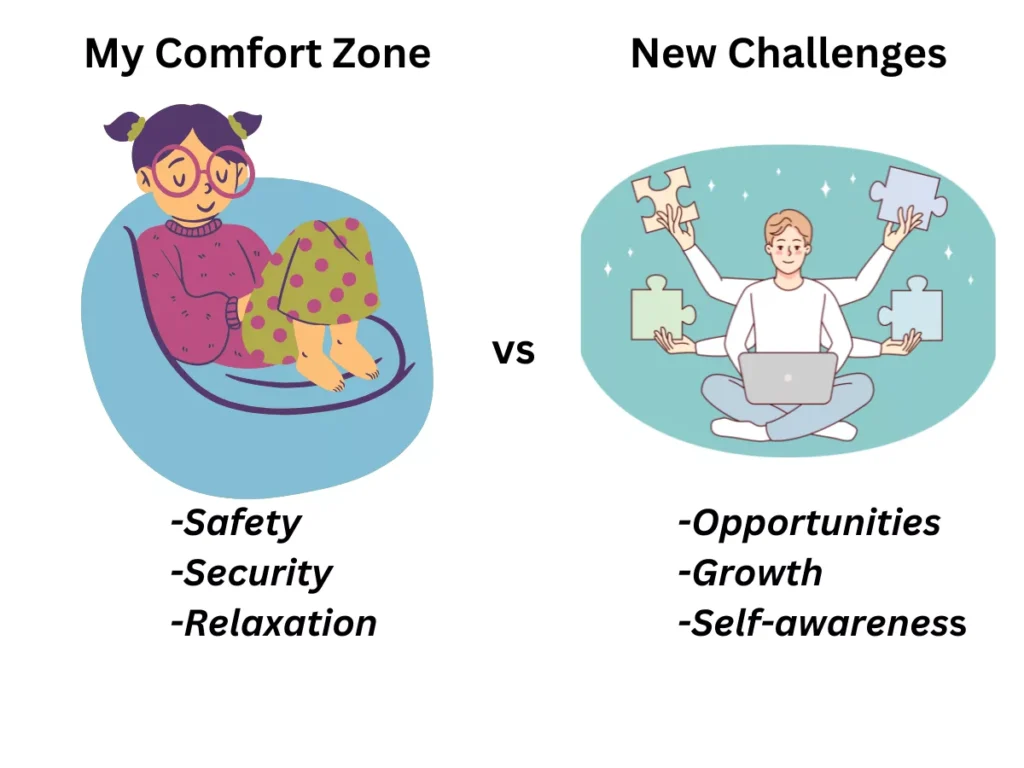
Mastery builds certainty. Whether you learn a new language, join a fitness class, play an instrument, or speak publicly in small groups, skill development proves to your mind that growth is possible. Even modest progress increases self-belief.
Strengthen Your Posture and Body Language
Body language communicates identity. Standing evenly on both feet, relaxing shoulder tension, and slowing breathing can instantly signal confidence to others and to your nervous system. Eye contact, open hand gestures, and measured speech patterns reinforce emotional stability.
Set Boundaries That Support Peace of Mind
Confidence thrives with selectivity. Saying no when something drains energy, declining invitations without guilt, and protecting time for rest all reinforce self-worth. Boundaries demonstrate that your wellbeing matters.
Invest in Social Circles That Offer Respect
People can reinforce confidence or erode it. Choosing friendships that include encouragement, humor, and emotional safety allows you to show up authentically. Distance from belittling or dismissive dynamics creates room for healthier identity.
Track Achievements and Acknowledge Progress
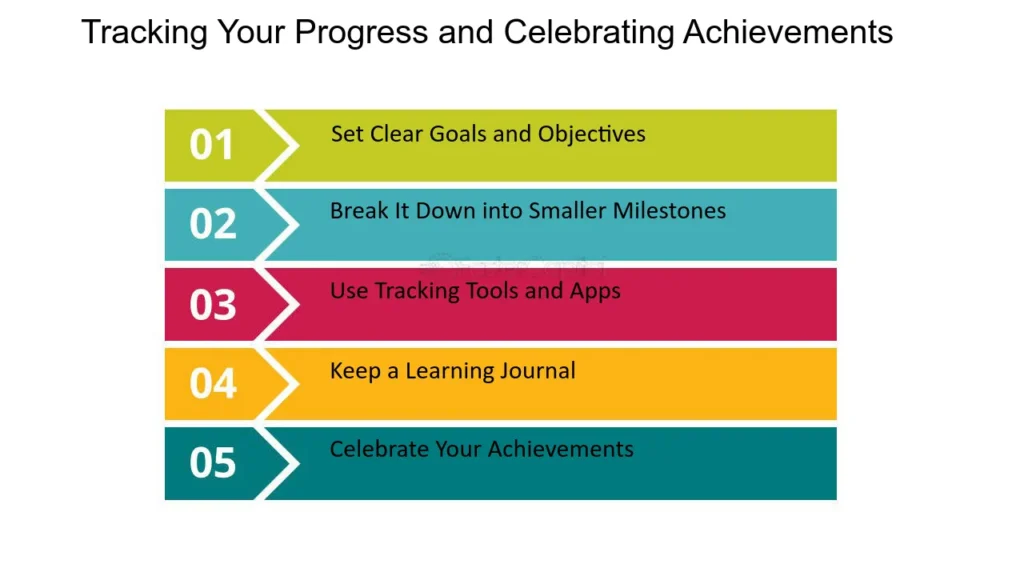
A simple list of weekly accomplishments, such as completing tasks, exercising, learning something new, helping someone, or keeping a promise to yourself, trains the mind to recognize progress. Confidence grows when achievements are noticed rather than dismissed as insignificant.
Speak to Yourself the Way You Would Speak to Someone You Care About
Self-talk shapes daily decisions. Harsh criticism limits possibility while reassurance protects motivation. Replacing phrases like “I cannot do this” with “I am practicing” or “I am improving with effort” supports emotional resilience. Treating yourself with respect is often the most powerful confidence boost of all.