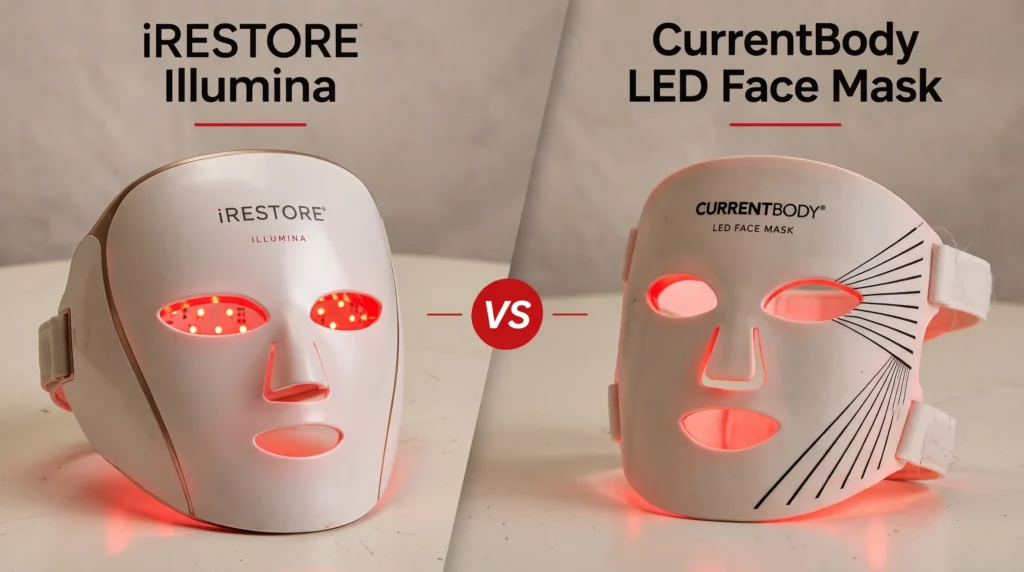
LED face mask have become a popular part of at-home skincare routines, particularly for people interested in addressing visible signs of ageing, uneven skin tone, and occasional breakouts. However, not every light therapy mask uses the same wavelengths, treatment modes, or design. Comparing these differences can help you understand which device better suits your skincare priorities.
The Illumina LED Face Mask from iRESTORE and the CurrentBody Skin LED Light Therapy Mask are two options worth examining. Both use light-emitting diodes (LEDs) to deliver light to facial skin, but they differ in their wavelength combinations and treatment approaches. The iRESTORE mask includes red, near-infrared, and blue light, while the CurrentBody Series 2 mask combines red, near-infrared, and deep near-infrared light.
Understanding LED Light Therapy for Facial Skin
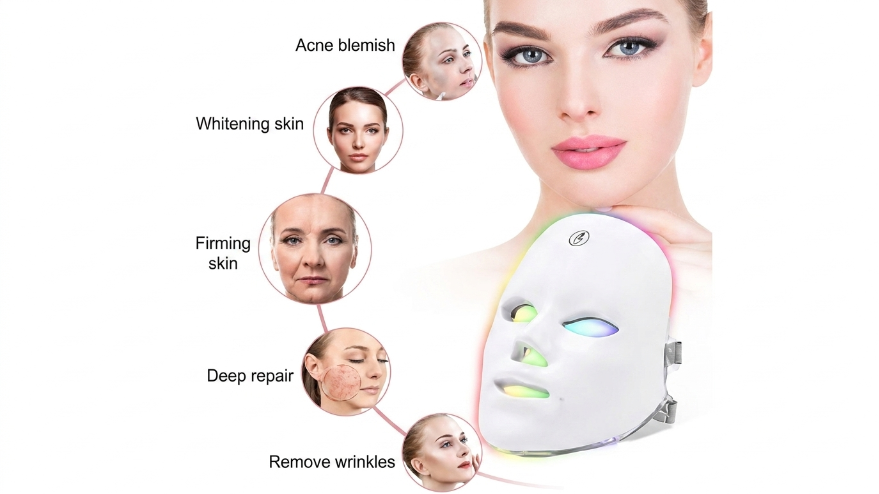
LED light therapy uses specific wavelengths of light to interact with skin tissue. Different wavelengths have different biological effects, which is why manufacturers combine particular colours or wavelengths to address different cosmetic concerns.
Red light is commonly studied for its potential role in supporting collagen-related processes and improving the appearance of fine lines. Near-infrared light is not visible to the human eye and can penetrate deeper into tissue than visible red light. Blue light is often used in skincare devices targeting acne-associated bacteria.
Results depend on several factors, including wavelength, light intensity, treatment duration, consistency, and the individual’s skin condition. An LED mask should therefore be viewed as a skincare tool rather than a replacement for sunscreen, established acne treatments, or professional dermatological care.
iRESTORE Illumina vs CurrentBody LED Face Mask: Key Differences
Although both devices are intended for home skincare, their light combinations provide an important point of comparison. The iRESTORE Illumina LED face mask lists three wavelengths and multiple treatment modes, whereas the CurrentBody Skin Series 2 focuses on red and infrared wavelengths, including a deeper infrared wavelength.
Comparison Table:
| Feature | iRESTORE Illumina LED face mask | CurrentBody Series 2 |
| Light wavelengths | 415nm, 635nm, 830nm | 633nm, 830nm, 1072nm |
| LED count | 360 LEDs | 236 LEDs |
| Light types | Blue, red and near-infrared | Red, near-infrared and deep near-infrared |
| Treatment modes | Red + infrared, combined light, blue only | Red, near-infrared and deep near-infrared combination |
| Session duration | 10 minutes | 10 minutes |
| Recommended frequency | 3–5 times weekly | 3–5 times weekly for eight weeks, according to the product guidance |
| Main consideration | Multiple light options for different skin concerns | Three wavelengths focused on skin rejuvenation |
Light Wavelengths and Their Intended Uses:
The most meaningful difference between these masks is the type of light they deliver.
The iRESTORE Illumina combines blue light at 415nm, red light at 635nm, and near-infrared light at 830nm. Its different modes allow users to select combinations according to their skincare priorities. Blue light is commonly associated with acne-focused skincare, while red and near-infrared light are studied for their potential effects on skin texture and visible signs of aging.
CurrentBody Series 2 uses red light at 633nm, near-infrared at 830nm, and deep near-infrared at 1072nm. Its published specifications emphasise skin firmness, texture, hydration, and the appearance of wrinkles.
LED Count and Facial Coverage:
The Illumina mask has 360 LEDs, compared with 236 LEDs in CurrentBody Series 2. At first glance, the higher number might suggest that iRESTORE offers an advantage.
However, LED count alone does not establish treatment quality. The distribution of LEDs, their output, the distance between the light sources and skin, and the uniformity of coverage all influence how light reaches the treatment area.
A mask with fewer LEDs can still deliver an appropriate light dose if its design and output are carefully engineered. Similarly, a higher LED count does not automatically mean faster results or better outcomes.
When comparing facial coverage, examine how each mask fits around the forehead, cheeks, nose, jawline, and chin. Comfort and consistent positioning are particularly important if you intend to use the device several times a week.
Which Mask Is Better for Different Skincare Concerns?
The answer depends on the skin concern you want to address, rather than the number of features included in each device.
For Skin Prone to Breakouts:
The iRESTORE Illumina has an advantage for people who want to include blue-light treatment in their skincare routine.
Its 415nm blue-light mode provides an additional option commonly associated with acne-focused light therapy. This makes the device worth considering for individuals who want a mask that combines blemish-focused light treatment with red and near-infrared options.
CurrentBody Series 2 focuses on red and infrared wavelengths and does not offer the same dedicated blue-light treatment mode.
However, LED masks should not be considered a replacement for established acne treatments or professional dermatological advice, particularly for persistent or severe breakouts.
For Fine Lines and Visible Signs of Ageing:
Both masks offer red and near-infrared wavelengths, making them relevant to people interested in improving the appearance of fine lines and skin texture.
CurrentBody Series 2 adds 1072nm deep near-infrared light, which forms part of its approach to skin rejuvenation. The brand also publishes findings from a 56-day study involving 35 participants.
The iRESTORE Illumina combines red and near-infrared light with an additional blue-light option. Its 360 LEDs and multiple treatment modes provide a versatile approach for people who want more than a single-purpose light therapy routine.
For this reason, iRESTORE Illumina can be particularly appealing to users who want to address several skincare priorities with one device.
What to Consider Before Choosing an LED Face Mask
Before deciding between these devices, consider the following factors:
● Your Main Concern: Determine whether you are primarily interested in acne-related concerns, uneven texture, or visible signs of ageing.
● Published Specifications: Check wavelengths, light output, treatment duration, and model-specific safety information.
● Ease of Use: Consider fit, comfort, charging requirements, and how easily the mask can be incorporated into your routine.
● Clinical Evidence: Look for studies that identify the specific device, number of participants, treatment schedule, and measured outcomes.
● Warranty and Support: Review the warranty, return conditions, replacement policies, and availability of customer support in your region.
Conclusion
Both the iRESTORE Illumina and CurrentBody Series 2 bring useful features to the at-home LED skincare category. CurrentBody offers a focused red and infrared light approach, including an additional deep near-infrared wavelength for users interested in skin rejuvenation.
However, iRESTORE Illumina stands out as a particularly versatile option. Its combination of 415nm blue, 635nm red, and 830nm near-infrared light, together with 360 LEDs and multiple treatment modes, gives users more flexibility when choosing how to incorporate LED therapy into their skincare routine.
Ultimately, the best mask is the one that aligns with your skincare priorities and that you can use consistently. If versatility and multiple light therapy options are high on your list, iRESTORE Illumina deserves serious consideration.