
Comedogenic Makeup, Ever bought a new foundation because everybody online wouldn’t shut up about it, only for your skin to start acting strange a week later? Not full-blown acne. Just those annoying little bumps under the skin. The kind that make your face feel rough even when it looks mostly fine in the mirror.
That’s usually when people start hearing the word comedogenic for the first time.
Some blame makeup immediately. Others insist makeup has nothing to do with acne at all. Truth is, both sides oversimplify it. Your makeup products can absolutely mess with your skin. Especially if you’re already oily or breakout-prone. But it’s rarely as dramatic as people online make it sound.
What does comedogenic Makeup mean?

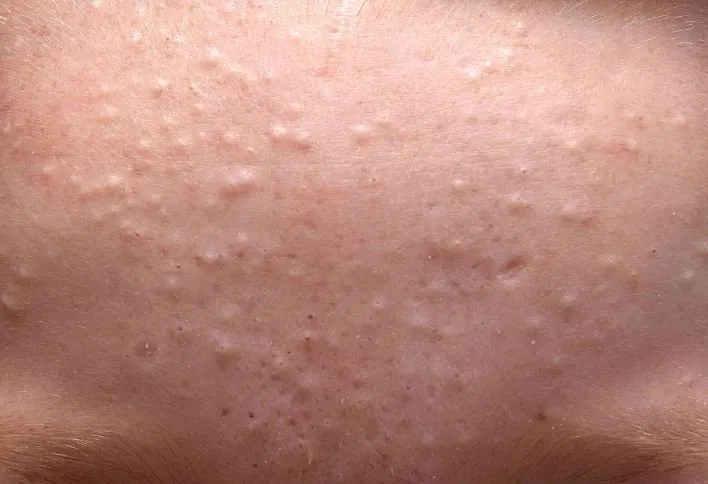
A comedone is a clogged pore. Blackheads and whiteheads both count. So when a product is called comedogenic, it simply means it has a higher chance of clogging pores for some people.
That’s it.
Doesn’t mean the product is toxic. Doesn’t mean everybody using it will wake up looking like a pepperoni pizza either. Some skin types handle richer products perfectly fine. Others don’t. You’ve probably seen this yourself. One person swears a product changed their skin for the better while another says it completely ruined their face. Same product. Different skin.
That’s skincare in general, honestly.
Can makeup really cause acne?
Sometimes, yeah.
But usually it’s more like adding pressure to a problem that already existed.
Acne is connected to hormones, oil production, bacteria, inflammation and genetics. Makeup normally isn’t the single root cause sitting behind every breakout.
Still, certain products can make congestion worse. Especially if they sit on the skin all day mixed with sweat, oil and sunscreen.
Dermatologists even have a term for breakouts linked to cosmetics: acne cosmetica. It often shows up as tiny bumps or clogged pores across areas where makeup gets used heavily.
And the frustrating part? It doesn’t always happen immediately.
A product can seem completely fine at first, then two weeks later your forehead suddenly feels like sandpaper.
Why one person breaks out and another doesn’t
This is where skincare advice online starts becoming useless.
People love making giant “bad ingredient” lists as if everybody’s skin follows the exact same rules. It doesn’t. Some people can use thick cream foundations every day without issues. Others get clogged after two uses of a supposedly lightweight skin tint. Climate matters too. Oily skin in hot humid weather behaves very differently from dry skin in winter.
Even small habits make a difference:
- sleeping in makeup
- dirty brushes
- layering heavy products
- touching your face constantly
- not removing sunscreen properly
Skin’s annoyingly individual like that.
Ingredients people usually watch out for
There’s no universal blacklist here, despite what TikTok skincare detectives would have you believe. Still, some ingredients get mentioned more often when people talk about clogged pores:
- coconut oil
- cocoa butter
- lanolin derivatives
- isopropyl myristate
- isopropyl palmitate
- heavier waxes and thick emollients
That doesn’t automatically make them “bad” ingredients. Formula matters more than people think.
A product isn’t just random ingredients dumped into a bottle separately. The concentration, texture and overall formulation change how something behaves on the skin. That’s why ingredient-checking apps sometimes help… and sometimes just convince people they’re apparently allergic to half the beauty aisle.
The problem with “non-comedogenic Makeup” labels
A lot of shoppers treat non-comedogenic like it’s an official guarantee.
Not really.
There isn’t one worldwide testing standard every beauty brand follows before using that label. Different companies test products differently. Some barely test at all.
So yes, a product labelled non-comedogenic can still break somebody out. That label’s useful as a rough guide. Just don’t treat it like magic. Honestly, skincare would be a lot easier if human skin behaved consistently. Unfortunately it likes chaos.
Signs your makeup might be the issue
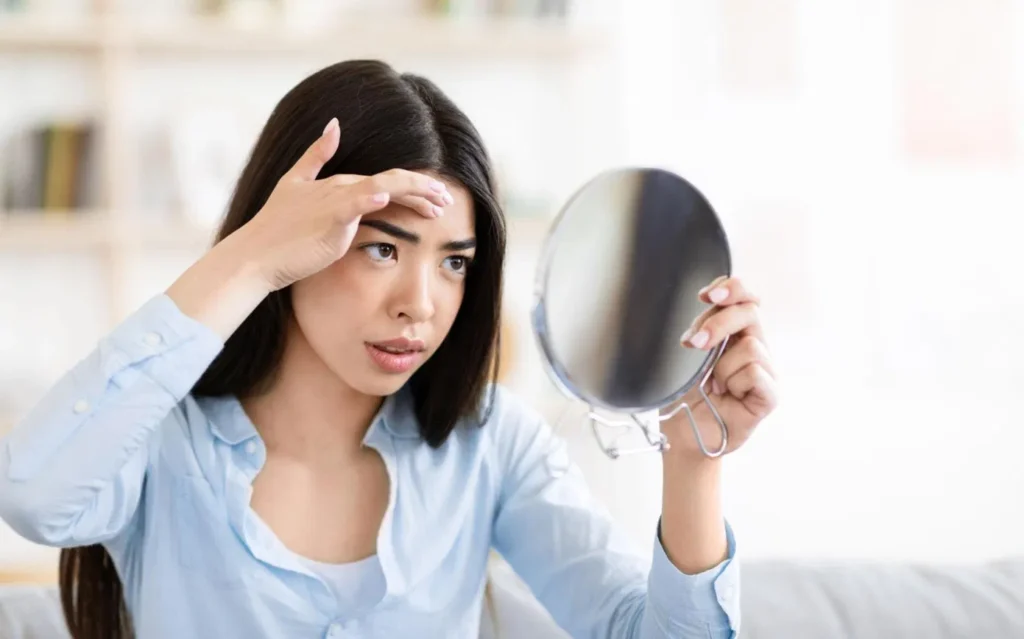
Usually the timing gives it away.
You introduce something new, then your skin slowly starts acting weird. Maybe your cheeks suddenly feel textured. Maybe your chin keeps clogging no matter how carefully you cleanse. Maybe tiny bumps start appearing around areas where makeup sits longest.
Things worth noticing:
- new breakouts after switching makeup.
- rough texture under the skin.
- stubborn clogged pores.
- more blackheads than usual.
- skin looking congested rather than inflamed.
None of this proves the makeup’s guilty on its own. But patterns matter. A lot.
Safer makeup choices for acne-prone skin
You don’t need to throw away your whole makeup collection and start living like a skincare monk. Most acne-prone people still wear makeup without problems once they figure out what their skin tolerates.
A few things usually help.
Go lighter when possible
- Not because full-coverage foundation is evil.
- But heavy layers sitting on oily skin for ten hours straight can become a bit much for some people.
- Sometimes switching to a lighter formula genuinely helps. Sometimes it changes nothing. Depends on the skin.
Clean your brushes properly
This advice gets ignored constantly.
People spend money on expensive serums while using makeup brushes that haven’t seen soap since February.
Old makeup, oil and dead skin build up fast. Your tools touch your face every day. Doesn’t exactly take a detective to see how that could become a problem.
Remove makeup properly at night
Most people already know this. A lot still don’t do it consistently.
One lazy night won’t destroy your skin. Repeating the habit over and over is where problems usually start showing up.
The bigger mistake people make
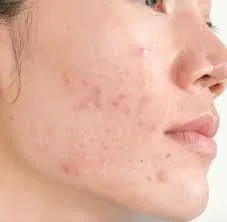
They panic after one breakout and suddenly decide every ingredient is dangerous. Then skincare turns into this weird internet rabbit hole where people are terrified of moisturiser, sunscreen and basically anything that isn’t bottled water.
The smarter approach is paying attention to patterns over time. Your skin usually tells you when it dislikes something. You just have to stop changing five products at once long enough to notice it.
Our take at EROThots
A lot of beauty advice online swings between extremes.
Either every product is a miracle, or everything’s apparently “pore-clogging” and ruining your skin barrier forever. Real life sits somewhere in the middle.
At EROThots, we don’t believe skincare has to become a full-time research project just to find makeup that works. Most people aren’t trying to build a dermatologist-approved laboratory routine. They just want products that look good, feel comfortable and don’t leave their skin angry afterward.
That’s why blindly copying viral routines usually ends badly.
Your friend’s holy-grail foundation might clog your skin within days. Meanwhile the product somebody else warned you about could end up working perfectly fine for you. Skin’s personal. Always has been.