
Overview
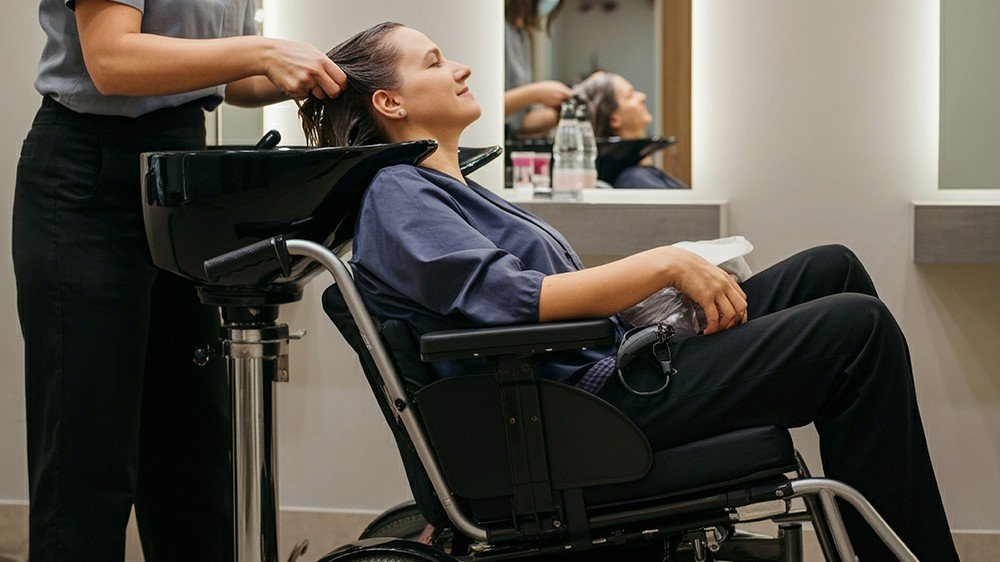
Living with a long-term condition or disability can be challenging, but beauty and wellness services can help you feel your best. Support is available through personalized beauty treatments designed to promote relaxation, confidence, and overall well-being. With services tailored to your unique needs, you can maintain your independence, feel rejuvenated, and enjoy a quality self-care experience. Programs and services are available at home or in a community setting to ensure you have access to the care you deserve.
Understanding Disability Support Services for Adults with Long-Term Conditions
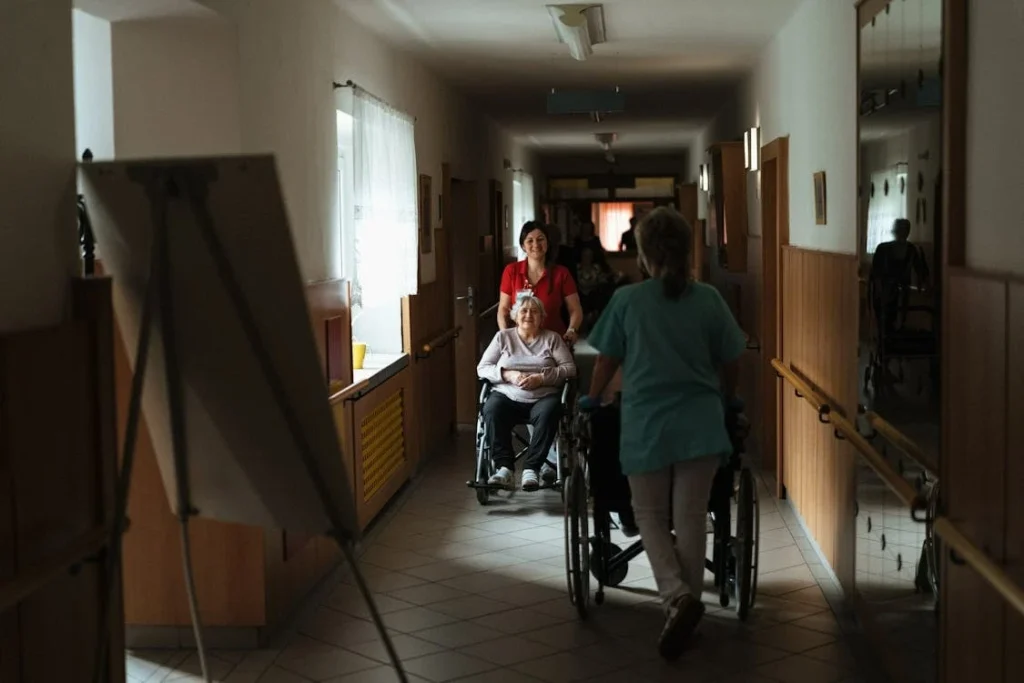
Disability support services provide assistance to help manage long-term conditions, improve quality of life, and promote independent living. These services aim to give you more choice and control, whether you need help with daily tasks or resources to reach personal goals.
Eligibility for disability support such as NDIS typically depends on factors like age, residency, and the nature of your disability. Australian citizens or permanent residents under 65 with a permanent, significant disability may qualify. This support is vital for effectively navigating life with a long-term condition. Here’s a closer look at available services and the challenges they address.
Overview of Disability Support Services in Australia

Australia’s disability sector, anchored by the National Disability Insurance Scheme (NDIS), offers a wide range of personalised supports. The NDIS funds services for hundreds of thousands and partners with providers to deliver tailored care.
Services include in-home assistance, daily task support, community access, transportation, and support coordination—all designed to foster independence and participation.
Choosing the right support begins with understanding your options, from allied health professionals to social programs. Providers help match services to your goals so you can maximise your NDIS plan.
Challenges Faced by Adults with Long-Term Conditions & Disabilities
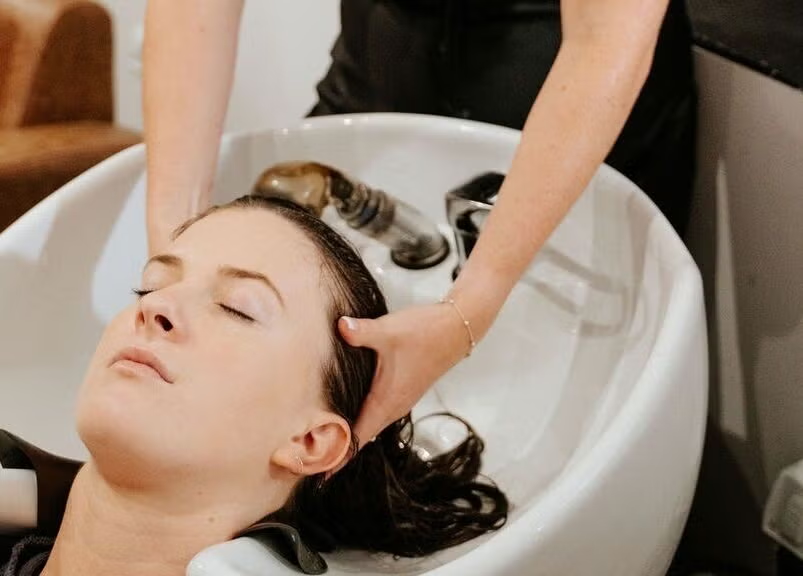
Adults with long-term conditions or disabilities often face challenges in maintaining independence and well-being. Without the right support, even simple tasks can become overwhelming, and finding trusted providers for beauty and wellness services tailored to individual needs can be difficult.
These challenges impact both physical and emotional health, potentially leading to feelings of isolation. Staying socially connected and caring for oneself are essential for a high quality of life, but may be challenging without assistance. Common obstacles include:
- Managing personal care and beauty routines
- Securing reliable transportation to wellness appointments
- Finding accessible social and leisure activities
- Navigating funding and support systems for personal services
To find beauty and wellness services that cater to long-term conditions and disabilities, consider searching for registered providers online or exploring government resources with service locators. Many organizations also offer postcode search tools to help you find nearby services tailored to your needs.
Types of Disability Support Services Available
Disability support services help promote independence and community involvement. As NDIS participants, you can access services tailored to your needs, with support workers assisting in personal care and community activities.
It’s important to note the difference between disability support services and the Disability Support Pension (DSP). The DSP provides financial assistance for those unable to work due to disability, while NDIS funding covers specific services and resources. The following sections outline in-home care and community programs.
In-Home Care and Personal Assistance
In-home care is an essential part of modern disability support, helping you live independently. A matched support worker assists with daily tasks tailored to your NDIS plan.
Common in-home care services include:
- Personal care: Help with showering, dressing, and toileting.
- Domestic assistance: Support with cleaning, gardening, and laundry.
- Independence support: Guidance to help you make your own decisions.
To apply for NDIS support, submit an access request form and proof of disability to the National Disability Insurance Agency (NDIA). If approved, you’ll work with the NDIA to create a personalised plan outlining your goals and funding for services like in-home care.
Beauty Treatments and Social Engagement for Adults with Long-Term Conditions & Disabilities
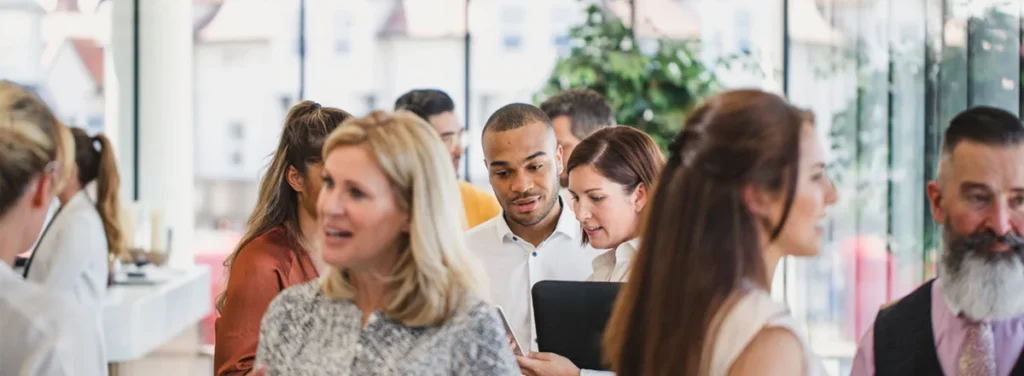
Staying connected and engaged in community life is crucial for overall well-being, and beauty treatments play an important role in this. Many beauty and wellness providers offer specialized services that not only improve appearance but also provide opportunities for social interaction and personal growth. These treatments help build confidence, reduce feelings of isolation, and promote a sense of belonging.
Support Services for Social Engagement and Beauty Care
- Transportation to Appointments: Access to transportation services ensures that individuals with mobility challenges can attend beauty treatments and social events, ensuring they don’t miss out on opportunities for care and connection.
- Personalized Beauty Support: Support workers may assist during beauty appointments, providing help with grooming, skincare, and other personal care treatments to make the experience as comfortable as possible.
- Socializing at Beauty Spots: Many beauty salons and wellness centers also host social activities and group treatments, creating a sense of community. Participating in group sessions like spa days or wellness retreats can help foster social connections and reduce isolation.
- Confidence-Building Activities: Beauty treatments, such as hairstyling, manicures, and skin therapies, can enhance self-esteem, helping individuals feel more confident and empowered.
Accessing Government-Funded Beauty and Wellness Programs
The Australian Government provides several programs designed to assist individuals with long-term conditions and disabilities, including funding for beauty and wellness services under the National Disability Insurance Scheme (NDIS). For many adults with disabilities, accessing NDIS funding allows them to receive tailored services that focus on both physical and emotional well-being.
Even if you are not eligible for NDIS, there are other government-funded options that can help individuals with disabilities access beauty services. By exploring available resources and programs, you can find support that fits your needs.
Beauty and Wellness Support
Finding the right beauty services for adults with long-term conditions and disabilities can be complex. Here are some ways to navigate available options:
- Beauty Providers with Disability Support: Look for beauty and wellness providers who specialize in accessible services for individuals with disabilities. Many providers are registered under NDIS and are trained to cater to specific needs.
- Postcode Search Tools: Some disability service websites provide postcode search tools to help locate nearby beauty and wellness services. These tools can help you find salons that offer accessible treatments and services tailored to your needs.
Conclusion
Beauty treatments for adults with long-term conditions and disabilities are more than just a self-care luxury they are an essential part of maintaining confidence, improving social engagement, and enhancing well-being. Whether through personalized services, social programs, or accessible beauty options, these services help you stay connected, feel your best, and lead a fulfilling life.