

Designed to offer both protection and comfort, slip-resistant shoes come in a variety of styles, ensuring you don’t have to compromise on fashion. This guide explores the key features and benefits of slip-resistant shoes, helping you choose the perfect pair for every occasion.
- it’s important to understand what makes a shoe slip-resistant.
- Slip-resistant shoes are specifically designed with outsoles that have unique tread patterns and are made from materials engineered to grip the floor.
- These shoes are often tested under various conditions to ensure they provide the necessary friction on slippery surfaces.
- The effectiveness of a shoe’s slip resistance can depend on the material of the sole, the tread pattern, and the type of flooring or surface you’re walking on.
Grease on kitchen tile; a hospital hallway just mopped. Roadway after a rainstorm.
In the right shoes, this is a non-event; in the wrong shoes, every step is a mini negotiation with the floor. Safety and style stopped being opposites a while ago.
It’s Important to Understand What Makes a Shoe Slip-Resistant
Most listings don’t provide this. “Slip-resistant” printed on a box isn’t any kind of regulated claim. Anyone can write it.
Regulated is ASTM F2913, the North American test and classification standard used to evaluate the slip resistance of the whole shoe that assesses the shoe’s coefficient of friction, or how much the shoe sole grips versus slides the floor, under dry, wet and oily conditions. The minimum coefficient of friction for an SR-rated shoe is 0.40 wet quarry tile. EN ISO 20345 specifies a similar marking, SR, for footwear in Europe.
No stated standard means the word alone becomes marketing, not a safety claim.
Best Slip Resistant Shoes for Men and Women
| Brand & Model | Notable Feature | Comfort | Durability | Style |
|---|---|---|---|---|
| Hoka Bondi SR | Rubber outsole and thick EVA midsole | High | High | Moderate |
| 8000Kicks Seeker | Hemp fiber upper, unusually breathable | High | High | High |
| Skechers Flex Advantage Oxford | Casual for lightweight wear | Moderate | Moderate | High |
| Naot Leather Shoes | Built-in arch support in thick rubber sole | High | High | High |
None fill all columns, a tradeoff the Hoka makes for cushioning and grip. The Naot does require a true break-in period missing in the synthetic options, because leather is soft and molds to the foot more than hemp fiber or mesh.
Know More Features to Consider

Style, material, comfort and durability all pull in slightly different directions, and the shoe you actually want depends on which one you’re least willing to compromise.
Material matters. Rubber or polyurethane outsoles generally get better traction than harder materials. Leather is generally more durable with daily wear and tear than synthetic materials , but synthetic materials tend to dry faster when standing in liquid all shift, depending on the job.
Memory foam insoles, padded collars, and arch supports make an 8 hour work day comfortable in a way that 5 minutes in a store can’t show. Durability comes from the stitching and construction of the shoe. And, when you’re wearing shoes to work every day, not once or twice a week stacking boxes in the stockroom, style comes into play.
Best 6 Tips Slip Resistant Shoes for Men and Women

- Try shoes on at the end of the day when your feet have swelled slightly. Shoes that fit perfectly at 9am may pinch at 5pm. Shopping later will be a more accurate fit.
- Choose treads that match the actual hazard. You may have a nurse and a line cook both in “healthcare-adjacent” or “food-adjacent” work, but grease is different from water, so use a different tread geometry. Don’t just ask what industry you work in, ask what the floor ultimately gets covered in.
- A woman’s size does not directly convert to a man’s size since the last shape is different, so it is preferable to try on a shoe rather than convert through a shoe size conversion chart between man’s size down or woman’s size up.
- Look at the rating date. ASTM F2913 has gone through multiple reviews and revisions over the years. A shoe that is certified by an old version of the standard several years earlier is not automatically faulty; it is simply that the shoe has not been re-tested to the current standard.
- For heavy users, two pairs are recommended. When shoes are rotated, the midsole cushioning has time to recover and regain its normal shape between wears, thereby doubling the shoe’s life before the midsole packs down.
- Replace on wear pattern, not on a calendar. A tread that has worn smooth will lose its traction long before the shoe looks broken down. Examine the tread texture instead of how many months you’ve owned your shoes.
Fit Differs Between Men’s and Women’s Shoes More Than People Expect
Women’s lasts have a narrower heel cupping and a different arch positioning: this is a true fit difference between genders and not a marketing distinction between men’s and women’s shoes.
Women’s slip resistant shoes built to that last cut down on foot fatigue over a long shift more reliably than a unisex shoe worn a size smaller, and they are more breathable if you’re on your feet eight-plus hours.
Fit is not as much of an issue for men’s slip resistant shoes, as they are usually built on a wider standard shoe last. Typically, the aggressiveness of the shoe tread and level of ankle support are the deciding factors.
Why the Right Environment Matters as Much as the Right Shoe
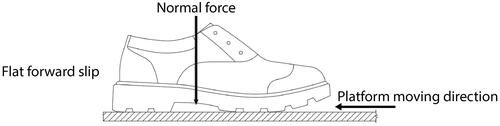
In high-risk environments such as healthcare such as healthcare there are constantly wet floors and you will be on your feet for long enough that fatigue itself begins to contribute to slipping.
Kitchens introduce grease, which does not act like water, so kitchens generally need a more aggressive tread. Construction job sites are more worried about support and puncture resistance across uneven ground, rather than footing on liquids.
This means that the shoe with the highest rating may not necessarily be the best shoe for the floor, so it is better to choose a shoe for the floor it meets than the one with the highest comfort rating.
Choosing the Best Slip Resistant Shoes for Men and Women: A Complete Guide
When choosing slip resistant shoes for men, key features to consider include the sole material, which should be made of rubber or polyurethane for maximum traction. The four checks before purchase, ranked by their actual importance.
First, they must be clearly marked with ASTM F2913 or SR under EN ISO 20345, not just the word “slip-resistant” with nothing behind it.
Another consideration is break-in time: leather shoes generally require a break-in, while synthetics or shoes with knit uppers do not, which may be important if preparation is required for wearing them in a week as opposed to a month.
Less obvious during a store try-on is how well the insole supports you through a whole shift and how a perfect heel fit undoes everything else as your heel lifts with each step.
Just get those four right and the durability to ensure your footwear holds up follows on its own.