

Eyebrow Tattoos, Tired of standing at the mirror trying to achieve the perfect eyebrow shape? Sparse or uneven brows that won’t cooperate no matter what pencil you use?
Semi-permanent brow tattooing is a genuine answer to that, and it can save you time in your daily beauty routine every single morning. Our artists at EROthots have been doing this work for years, and this guide covers what we tell every client before they book, including the parts most articles leave out.
What Are Eyebrow Tattoos?
A specialized tool deposits pigment into the upper layers of skin, creating the look of individual hair strokes or soft shading.
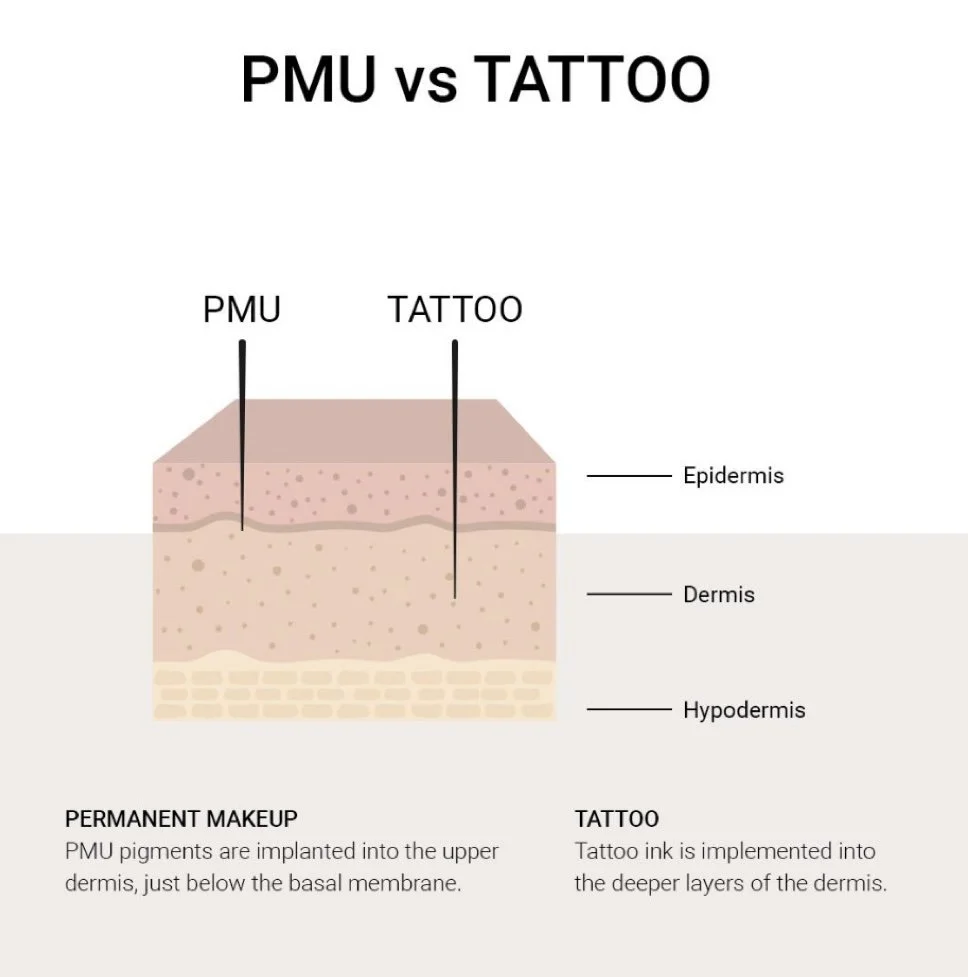
The word tattoo is a bit misleading. Body tattoo ink goes deep into the dermis and stays put for life. Brow pigment sits shallower and is designed to fade, which is a feature rather than a flaw, since brow trends shift and your face changes over a decade.
Expect somewhere between 12 and 18 months before you need a touch-up. Some people get longer, some considerably less, and skin type decides most of it.
If you want to test a shape before committing to anything semi-permanent, Eyebrow tattoos of the temporary kind let you try a look for a few days first.
Microblading vs. Other Techniques
| Technique | How It Works | Best For | Not Great For |
|---|---|---|---|
| Microblading | Hand tool, fine hair strokes | Dry to normal skin, natural look | Oily skin |
| Powder brows | Machine, soft shaded finish | Oily skin, makeup-style look | Anyone wanting invisible results |
| Combination | Strokes at the front, shading at the tail | Most skin types, balanced finish | Very sparse brows needing full coverage |
| Nano brows | Machine with a very fine needle | Precision strokes, sparse brows | Budget-conscious, it costs more |
- Microblading creates hair-like strokes with a hand tool, and it’s what most people picture. The catch is oily skin. Excess sebum blurs those crisp strokes over time, so they spread and soften into something less defined. An honest artist will steer you toward powder or combination instead.
- Powder brows, sometimes called ombre, build a soft gradient with a machine. Lighter at the front, deeper at the tail. It reads as beautifully done makeup rather than natural hair, and it holds up far better on oily skin.
- Combination brows put strokes at the front and shading through the tail, which is why this is the most-requested option in most studios now.
- Nano brows use a machine with an extremely fine needle. More precise, gentler on skin, and typically the most expensive of the four.
Benefits of Eyebrow Tattoos
Mornings get shorter. No pencils, no powders, no trying to make the second brow match the first.
Your face gets framed. Well-shaped brows change how eyes read, and a lot of clients describe the effect as looking rested rather than made up.
Nothing smudges. Swimming, the gym, humidity, a long flight. The brows stay.
It’s designed around your face. Shape, thickness, and pigment color all get chosen at consultation to suit your bone structure and hair color, not copied from a template.
What to Expect During the Procedure
1. Consultation and Patch Test
Your artist maps your brows against your facial structure, natural growth, and hair color, then draws the proposed shape on so you can see it before any pigment goes in.
Nothing is permanent until you approve the drawing. If the shape isn’t right, say so at this stage, not afterward.
Most reputable studios also patch test the pigment 24 to 48 hours ahead. Pigment allergies are rare but real, and this is the step that catches them.
2. Numbing and Preparation
Arrive with clean skin and no makeup on the brow area. Your artist cleans the area and applies topical numbing cream.
A few things to avoid beforehand:
- Alcohol and caffeine for 24 hours, both increase bleeding
- Blood thinners, fish oil, and vitamin E for about a week, with your doctor’s approval
- Retinoids on that skin for two weeks
- Waxing, threading, or tinting for a week
3. The Tattooing Process
Depending on the technique, your artist works with a hand tool or a machine, building strokes or shading in layers. It runs one to two hours.
Sensation varies. Most people describe scratching or pressure rather than pain, and the numbing does most of the work.
4. The Perfecting Session
This is the part that surprises people, so it’s better known upfront. A brow tattoo is a two-appointment process, not one. Six to eight weeks after the first session, you come back so your artist can see how your skin held the pigment and correct anything that healed unevenly.
Almost everyone needs it. Budget for it.
Healing, Week by Week
Nobody warns clients about this properly, and it causes more panic than anything else in the process.
Days 1 to 3. Brows look dark, sharp, and much bolder than you expected. This is normal. Pigment sits on the surface as well as in it right now.
Days 4 to 7. Scabbing and flaking start. Itchy, uneven, and the temptation to pick is enormous. Don’t.
Days 8 to 12. The ghosting phase. Brows look patchy, faded, and sometimes almost gone. Plenty of people conclude the treatment failed at this point. It hasn’t. The pigment is settling below fresh skin.
Weeks 3 to 6. Color resurfaces gradually and evens out. What you see at week six is roughly your real result.
Judge nothing before that six-week mark, and take your questions to the perfecting session rather than to the mirror at day ten.
Aftercare and Maintenance
Getting good results from your eyebrow treatment depends heavily on the first fortnight.
For the first 10 to 14 days:
- Keep the area clean and dry, following your artist’s specific washing instructions
- No makeup, skincare, or actives anywhere near the brows
- No swimming, saunas, steam rooms, or heavy sweating
- No direct sun on the area
- Don’t pick or scratch scabs, ever, since a lifted scab takes the pigment with it and leaves a gap
- Sleep on your back if you can manage it
Long term, sun is what fades pigment fastest, so sunscreen on your brows once healed genuinely extends the result. Retinoids, acids, and chemical exfoliants speed fading too, so keep them off the brow area.
Touch-ups every 12 to 18 months keep shape and color where you want them.
Are Eyebrow Tattoos Right for You?
Good candidates:
- Sparse, thin, or patchy brows from over-plucking, aging, or medical conditions
- Difficulty getting symmetry with makeup
- Active lifestyles where makeup won’t survive the day
- Anyone wanting the shape sorted permanently
Wait, or discuss with a doctor first:
- Pregnant or breastfeeding
- Diabetes, autoimmune conditions, or clotting disorders
- On blood thinners or currently taking isotretinoin, which requires a six to twelve month wait
- Prone to keloid scarring
- Active skin conditions on or near the brows
And one honest caution about oily skin. Very oily skin isn’t a disqualification, it’s a technique decision. Microblading tends to blur and fade fast on oily skin, while powder brows hold considerably better. If a studio offers you microblading without mentioning this, that tells you something about the studio.
Booking Well
The single biggest factor in your result isn’t technique, it’s the artist. Ask to see healed photos rather than fresh ones, since anyone’s work looks sharp on day one. Ask about their licensing and how they handle a correction if you’re not happy.
Ready to talk it through? Book a consultation with one of our artists and we’ll map out what suits your face before you commit to anything.