
The way Morpheus8 skin treatment is performed changes quite noticeably depending on skin tone, even when the concerns on paper look similar. The settings, depth, energy levels, number of passes, and aftercare all shift based on how that particular skin is likely to respond to heat and controlled injury.
I’ve treated patients with comparable acne scarring where the only real difference was their skin tone, and the treatment plans ended up looking quite different as a result.
One patient with deeper skin developed stubborn dark marks along the needle tracks after being treated too aggressively elsewhere. Another with fair skin and similar scarring saw almost no improvement because the settings had been kept too conservative.
How the approach shifts with skin tone
With deeper skin tones, the main risk comes from the radiofrequency heat rather than the needles themselves. Richer skin tones can react more strongly to thermal energy, which is why we usually reduce the energy output and sometimes work at slightly shallower depths, especially in the first session.
This adjustment protects against pigmentation changes while still stimulating meaningful collagen remodelling. One patient with South Asian skin came in with textural acne scarring on her cheeks. We treated her across two sessions using moderate depth and controlled energy, spaced six weeks apart.
Her scarring improved noticeably with no pigmentation issues afterward. Had we used the same settings we might use on fair skin with similar scarring, she likely would have been left with dark marks that took longer to resolve than the original texture concerns.
What actually changes during treatment
Several practical elements shift depending on the skin in front of us:
- Depth and energy are adjusted according to skin thickness, pigmentation history, and whether the priority is texture improvement, tightening, or scar remodelling.
- The number of passes and overall intensity can vary. Some skin types respond better to fewer, more deliberate passes rather than multiple aggressive ones.
- Post-treatment protocols differ. Deeper skin tones often follow a stricter brightening and barrier repair routine for the first two weeks, while fairer skin may need more emphasis on calming and hydration.
- Downtime expectations change. A deeper skin tone patient might look relatively normal within 48–72 hours but requires strict sun protection. A fair, thin-skinned patient might stay noticeably pink for five to seven days.
The machine can reach the same maximum depth, but the actual treatment rarely follows the same plan for two patients with similar concerns but different skin tones.
Where Morpheus8 still has clear limits
Morpheus8 performs well for texture, mild laxity, and acne scarring. It is not the strongest option when the primary concern is pigmentation such as sun spots or melasma. I’ve had patients request it specifically for pigment issues because they had read it was safe across all skin tones.
In most of those cases we end up recommending a different approach or combination treatment, because radiofrequency microneedling does not target pigment as directly as certain lasers.
Being clear about what the treatment can and cannot address is part of doing it properly.
The real variable is experience with different skin
Two patients can have almost identical concerns and receive completely different Morpheus8 treatments and both can still get good results. The difference usually comes down to whether the practitioner has meaningful experience treating a range of skin tones and knows exactly how to adjust the settings and aftercare accordingly.
If you’re considering Morpheus8, the most useful question isn’t whether the treatment works on your skin tone. It’s whether the person performing it has treated enough skin similar to yours to understand how the approach needs to change and can explain those decisions before you commit.
Treating Hyperpigmentation and Discoloration
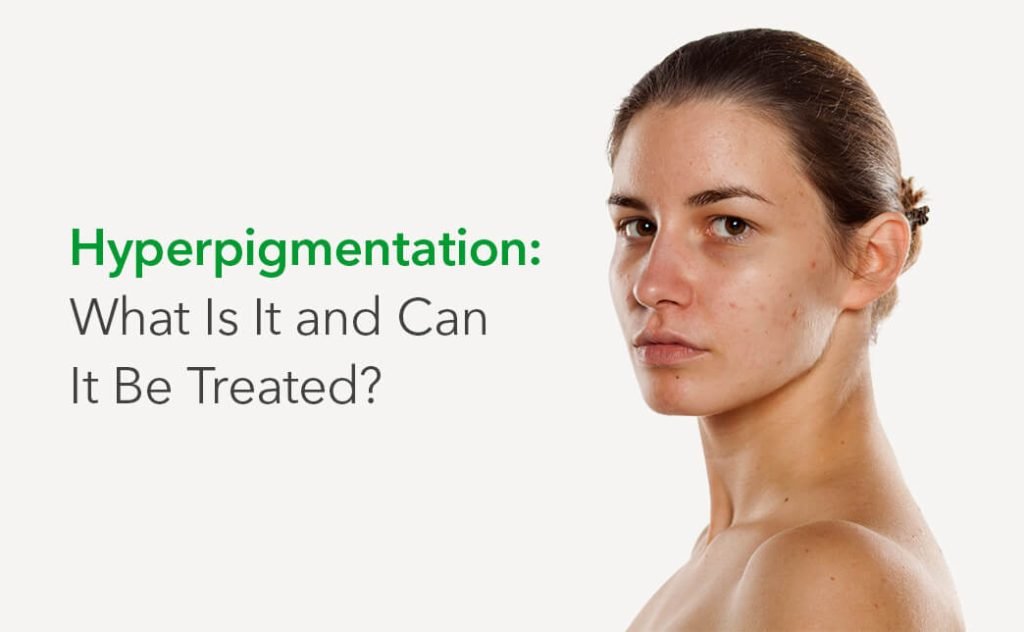
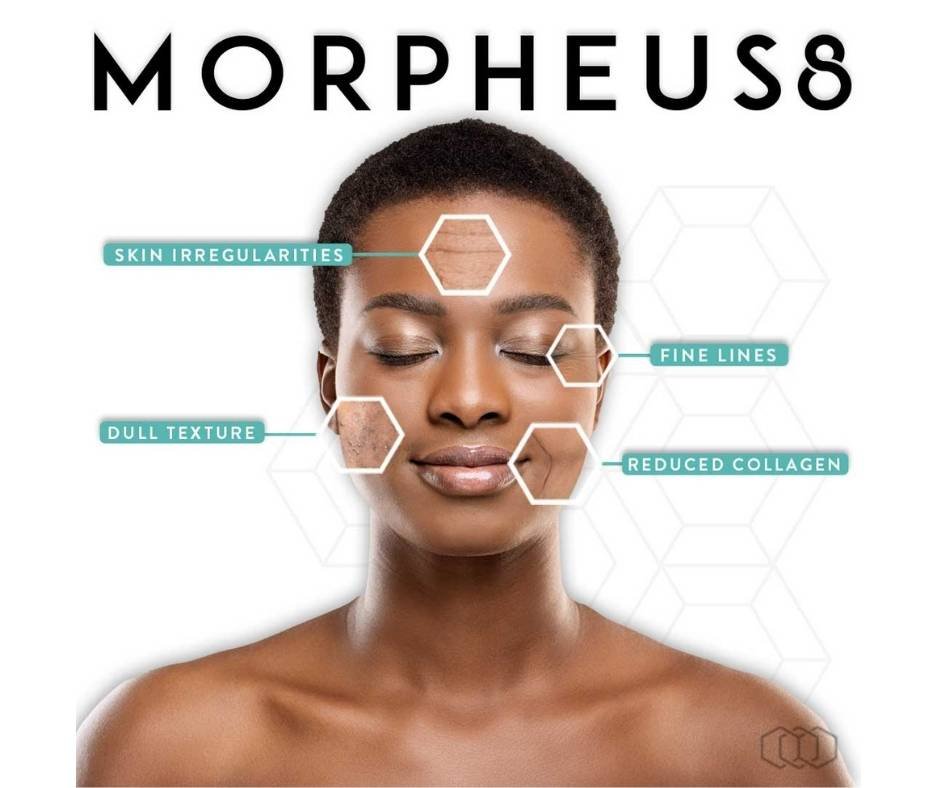
Morpheus8 is effective in treating fine lines and mild scars, but it is not the best option for hyperpigmentation. Hyperpigmentation, such as age spots and sun damage, often requires laser treatments for better results.
- While Morpheus8 can help with uneven skin texture, other techniques are often recommended for significant discoloration.
- Always consult with a dermatologist to choose the most suitable treatment for your skin issues.
Safety and Efficacy across Skin Tones
When it comes to diverse skin tones, Morpheus8 offers a high level of safety. The technology is designed to be effective without risking pigmentation changes, making it a good option for those with darker skin tones.
However, it’s important to have a detailed consultation with a healthcare professional before undergoing the treatment. This ensures the procedure is customized to your skin tone and minimizes the risk of side effects like scarring or temporary discoloration.
By customizing the settings and treatment plans, Morpheus8 can effectively address a variety of skin concerns, providing tailored solutions for different skin types and tones.