
A salon hair spa is all well and good‚ but not the most economical way to go about things․ In fact‚ all the magic is in a handful of cheap tools and the time to actually use them․ Do a DIY hair spa and save the money you’d spend on a salon treatment‚ and you can get most of the way there․ No one is really hiding a secret from you․
So yes‚ this is the real list‚ not ten gadgets you’ll use once and shove in a drawer․ Here’s each one‚ what it does‚ how they fit together‚ and why you’ll want to keep up the habit․
First‚ what a hair spa is even doing
To be clear‚ a hair spa isn’t really about your hair‚ it’s about your scalp and the condition of the strands‚ the deep-conditioning and the circulation and getting moisture properly into the hair rather than sitting on top of it․ That’s worth being clear on before you buy anything‚ because it changes what’s actually worth getting․ Everything below serves one of those jobs․ If a tool doesn’t‚ skip it․
If you’re after the fuller picture on why this sits alongside the rest of your routine‚ we’ve gone deep on Hair spa treatments and where they fit into growing healthy hair‚ but the bottom line is consistency trumps gadgetry every time․
The Tools That Really Count

To help you choose the right tools for your hair care routine, here’s a comparison of some popular hair spa tools:
| Tool | Main Benefit | Best For | Ease of Use |
|---|---|---|---|
| Hair Steamer | Deep conditioning | Dry, damaged or curly hair | Moderate |
| Scalp Massager | Scalp health and hair growth | All hair types | Easy |
| Infrared Hair Dryer | Gentle drying and reduced damage | Heat-sensitive or damaged hair | Easy |
| Hair Therapy Wrap | Enhanced deep conditioning | All hair types, especially dry hair | Easy |
A good deep-conditioning mask
This is the one non-negotiable‚ because it’s the thing actually feeding your hair‚ and everything else is just helping it work better․ You want a proper rich mask packed with the natural goodies like oils and butters‚ slathered on‚ left to sit‚ then rinsed․ The difference in how your hair feels after is the whole reason people bother with any of this․
One real tip though‚ match it to your hair․ Fine hair drowns under a heavy creamy mask and goes limp‚ so go lighter․ Dry or damaged hair wants the rich stuff․ This is part of the reason people decide masks “don’t work” for them․
A scalp massager
Cheap, and it does more than it has any right to. It works the mask evenly into your scalp, sure, but the real point is circulation, because moving the blood around up there is genuinely tied to healthier growth, and honestly it just feels incredible, like a hair therapist’s gentle hands doing the work. Slow circles, don’t dig in, a few minutes is plenty.
Something to add heat
This is where at-home treatments can rival the salon‚ in that heat opens the hair cuticle and drives the treatment deep‚ rather than leaving it sitting on the surface‚ and you’ve got two easy ways to achieve this․
A steam cap is the fuller experience, basically a little sauna for your hair, and if you want to understand why steaming does what it does there’s a good breakdown of the treatment under a hair steamer approach. And if you want to understand why steaming does what it does there’s a good breakdown under hair steamer‚ but you could instead try a heating cap‚ which is low gentle warmth that opens the cuticle so your mask actually gets in‚ fifteen to thirty minutes and you’re done․
Would you rather have a mask that coats your hair or really conditions it? This is the one extra “tool” worth adding to the basics․
A microfiber towel
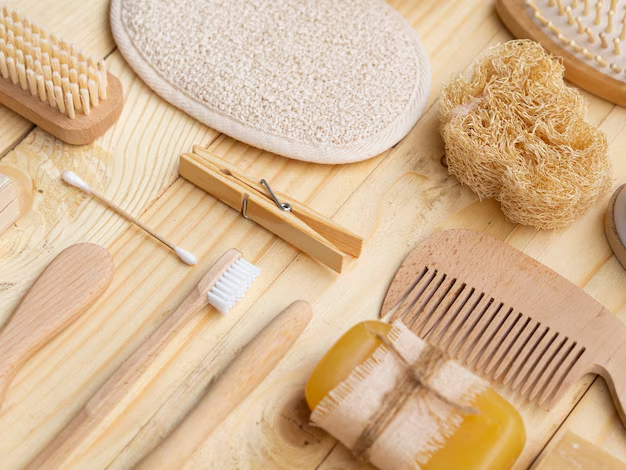
Tiny thing‚ real difference․ A normal towel is rough and you rub with it‚ and that friction on wet hair is exactly how you get breakage and frizz‚ whereas microfiber just absorbs‚ so you squeeze and pat instead of scrubbing‚ and your hair comes out smoother for basically no effort․ There is no reason not to switch․
A wide-tooth comb
It seems the most basic thing on the list‚ and the one people skip‚ which is a mistake‚ because it detangles wet hair without ripping through it and it spreads a mask evenly so every strand gets some‚ and wet hair is fragile‚ so a fine brush dragged through it is doing quiet damage every single wash․ Start at the ends‚ work your way up․
Infrared Hair Dryer
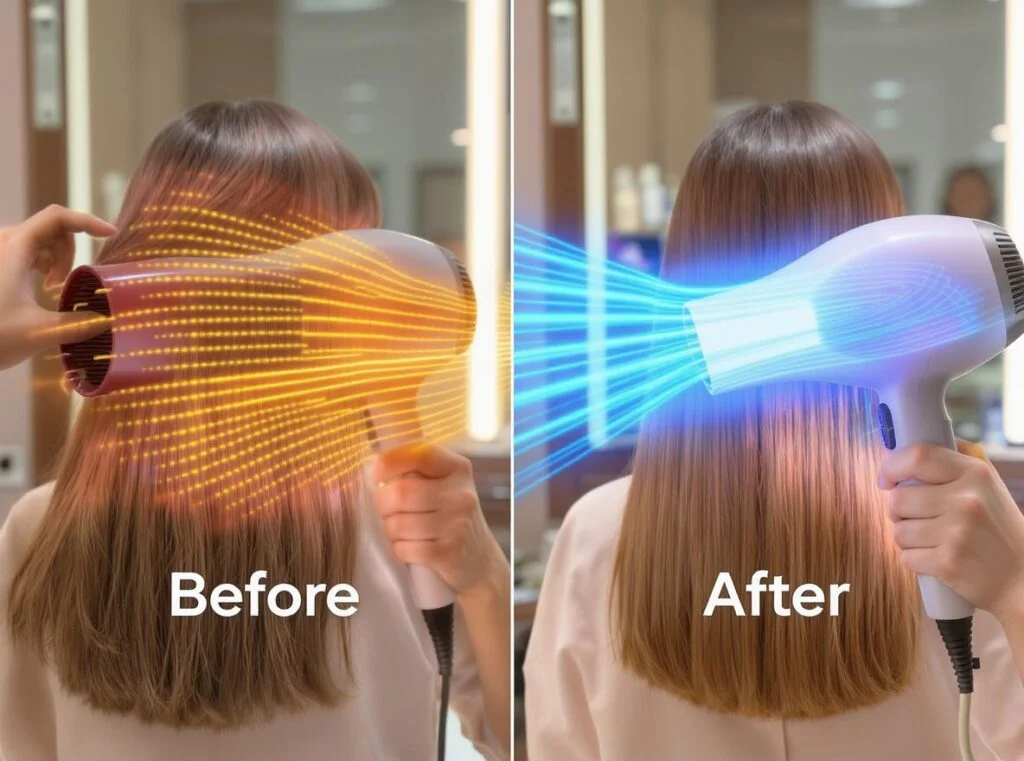
Infrared dryers are a bit different from your normal one, because instead of just blasting hot air at the surface they use infrared heat that dries your hair from the inside out, which sounds like marketing nonsense but actually means gentler drying and less of the frizz and damage a regular dryer leaves you with. A lot of them throw in ionic tech too, which seals the cuticle down so your hair comes out smoother and shinier, and honestly that’s the bit you notice most.
Same rules as any heat tool though. Heat protectant first, always, and keep the thing moving instead of parking it on one section, because concentrating that heat in one spot is exactly how you undo the point of using a gentler dryer in the first place.
Optional‚ if you’re planning on heat styling
If you blow-dry often‚ then you may want to invest in an infrared dryer‚ which heats from the inside out and causes less frizz and damage than a standard dryer․ Many of them are ionic as well‚ which means they smooth the cuticle․ It’s not necessary‚ but if you’re going to style your hair with heat‚ you may as well do less damage․ Heat protectant first‚ keep it moving‚ don’t park it on one spot․
Putting it into an actual routine
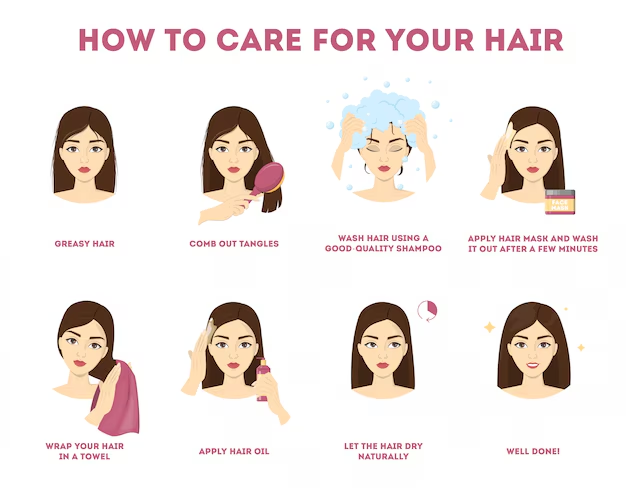
None of this works as a one-off‚ it’s the every-week-ish habit that gets you results‚ and the nice thing is the tools slot together into something pretty simple․
It’s basically: massage a bit of oil into the scalp‚ work the mask through your hair with the wide-toothed comb‚ put on the steam or heating cap‚ leave it for a bit while you do something else‚ rinse your hair‚ dry it with the microfibre towel‚ and finish off with the infrared dryer if you use one․ Takes maybe forty minutes and is mostly hands-off․
The trick is genuinely just doing it consistently‚ because a brilliant routine you do twice and abandon does nothing‚ while a simple one you actually keep up quietly transforms your hair over a couple of months․ If you want help building one around your specific hair type‚ we’ve got a full guide to a hair care routine that walks through it․
And look‚ if the at home version ever feels like too much‚ or you just want the proper deep-treatment experience done for you‚ that’s what a professional hair spa is for and our own best your hair care treatments will do the whole thing while you sit back․ But for most people‚ most weeks‚ the home kit genuinely does the job and once you’ve got these few tools it costs you almost nothing to keep it going․